
Genea Integrates AI Agents into Access Control with New MCP Server
Genea introduces Genea MCP, a Model Context Protocol server that allows AI agents to manage physical access control systems using natural language commands, streamlining administrative tasks.
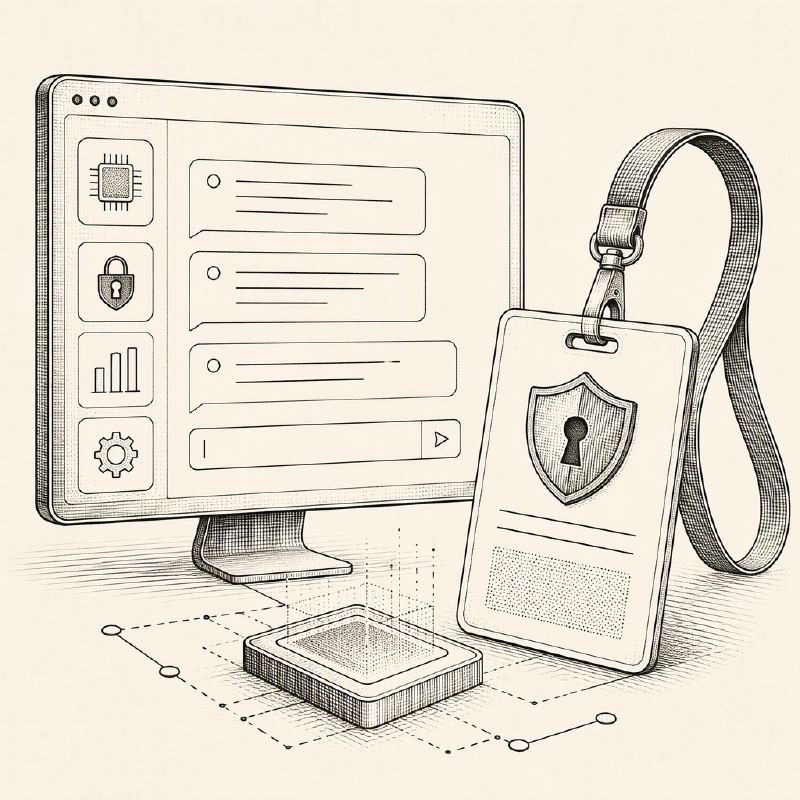
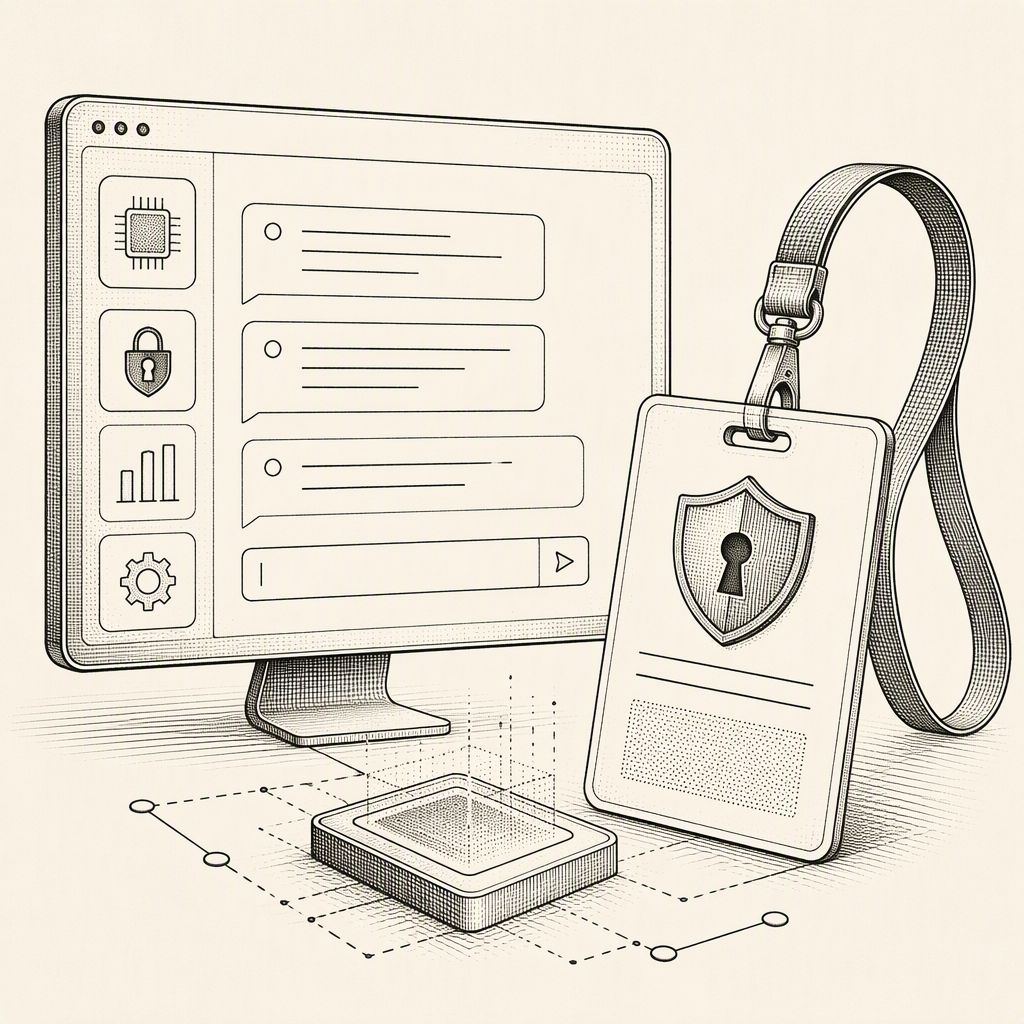
Genea has launched Genea MCP, a new Model Context Protocol (MCP) server designed to bridge the gap between artificial intelligence agents and its physical access control platform. This integration promises to significantly simplify common access management tasks, such as onboarding new employees, granting temporary access to contractors, or managing permissions for specific areas, by enabling administrators to use natural language commands instead of navigating complex graphical interfaces.
Traditionally, managing access control involves a series of tedious clicks and data entries for each individual and each access change. Adding a new hire, for instance, requires locating the site, selecting the appropriate access group, inputting the employee's details, and confirming the changes. When performed for multiple employees or frequent access modifications, these routine tasks can consume considerable time for IT and security teams. Genea MCP aims to eliminate this administrative burden.
The core functionality of Genea MCP allows users to issue commands like "give Jordan access to the third floor." The system then intelligently identifies the correct location and access group, prompts for any necessary information it cannot deduce, performs the required actions, and confirms the changes. This enables teams to manage people, temporary access, access groups, doors, and controllers without needing to open the Genea portal, drastically reducing the time spent on routine operations.
Michael Wong, CEO and President of Genea, emphasized the shift in user interaction. "Access control software has always made administrators learn the system," Wong stated. "Genea MCP flips that. Your team says what needs to happen, and Genea does it within the permissions that person already has. In physical security, speed only matters if control comes with it, so we built the controls first."
Genea has prioritized security by making Genea MCP opt-in. Administrators must explicitly enable the feature for both the account and individual user roles. Crucially, the MCP server inherits and enforces existing Genea permissions for each user on every request, eliminating the need for a separate permission management system. This ensures that AI agents operate strictly within the boundaries defined by human administrators.
Before executing any high-impact actions, such as deleting a user or revoking access privileges, Genea MCP provides a clear summary of the intended changes and requires explicit confirmation. "The first question every IT team asks is who can use this and what they can do with it," said Mike Maxsenti, SVP of Product at Genea. "The answer is short. Only the people an administrator turns it on for, and only what their role already allows. That’s what let’s security teams say yes."
By integrating AI agents directly into the access control workflow with robust, role-based permissions, Genea is positioning itself as a pioneer in leveraging AI to enhance operational efficiency in physical security management. This approach not only saves time but also maintains a strong security posture by ensuring AI actions are always governed by established access policies.