
Gears of War: E-Day Hit by DDoS Attack, Causing Login Failures and Disconnects
Players of the popular video game Gears of War: E-Day experienced significant disruptions to online services, including login failures and disconnections, due to a distributed denial-of-service (DDoS) attack.
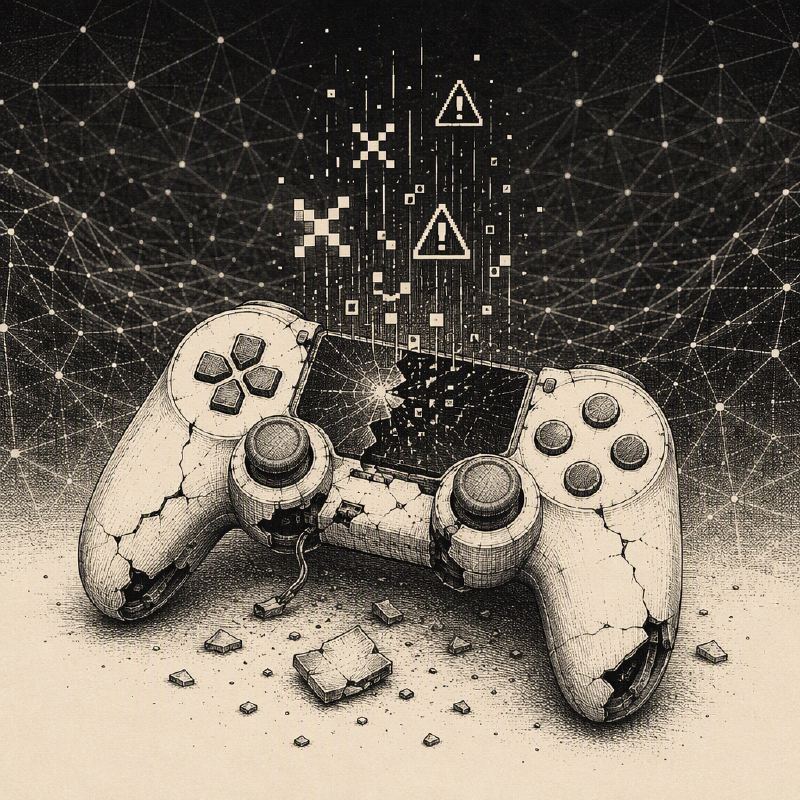

Online services for the highly anticipated game Gears of War: E-Day were severely impacted by distributed denial-of-service (DDoS) attacks, leading to widespread login failures, intermittent disconnects, and general instability for players attempting to engage in multiplayer activities. The official Gears Community channel confirmed the nature of the disruption, attributing the issues to malicious DDoS activity and thereby quelling speculation about other potential causes.
While the official confirmation provided clarity on the root cause, details regarding the scale, specific methods employed by the attackers, and the identity of the threat actors remain undisclosed. The Gears Community did not provide figures on the volume of traffic or specify which particular online services were most affected, leaving the full scope of the attack somewhat opaque. However, subsequent updates indicated progress toward resolution, with the primary login issues being addressed.
The immediate impact on players manifested as extended login times, failed attempts to connect to game servers, and unexpected disconnections during gameplay. These symptoms were consistent with a DDoS attack aimed at overwhelming the game's infrastructure, rendering it unavailable to legitimate users. It is important to note that the reported issues primarily concerned service availability, and there is no indication that player accounts were compromised or personal data was exfiltrated.
A DDoS attack operates by flooding a target system or network with an overwhelming volume of traffic or requests, typically originating from a network of compromised devices known as a botnet. This deluge of data exhausts the target's resources, preventing it from responding to legitimate user requests. While this is the general mechanism, the specific techniques and tools used in the Gears of War: E-Day attack have not been publicly detailed by the developers or any security researchers.
Following the initial disruption, the Gears Community announced that the login issues had been resolved, though they emphasized that monitoring of the online services would continue closely to detect any resurgence of malicious activity. This phased approach to recovery suggests a cautious strategy, ensuring the stability of the services before declaring a complete end to the incident. Players were advised that while login problems were mitigated, other intermittent service disruptions might still occur.
This incident is not unique in the gaming industry, which frequently finds itself a target for DDoS attacks aimed at disrupting popular online titles. Previous attacks have targeted various gaming platforms and servers, highlighting the persistent threat landscape faced by game developers and publishers. However, without specific technical details or attribution, it is difficult to link this particular event to broader campaigns or known threat actor groups.
The resolution of the login failures marks a significant step in restoring normal operations for Gears of War: E-Day players. The ongoing monitoring by the development team is crucial for maintaining service integrity and quickly responding to any further attempts to disrupt the game's online infrastructure. The incident serves as a reminder of the constant vigilance required to protect online gaming services from availability threats.
While the immediate impact on gameplay has been addressed, the lack of detailed information about the attack's origin and methods leaves room for future analysis. Cybersecurity professionals will be watching for any further disclosures or indicators that might shed light on the actors behind this disruption and their motivations.