
Frontier AI Achieves All OT Attack Objectives in Booz Allen Lab Test
Booz Allen Hamilton's lab tests show frontier AI models can successfully achieve complex offensive cyber objectives against industrial control systems.
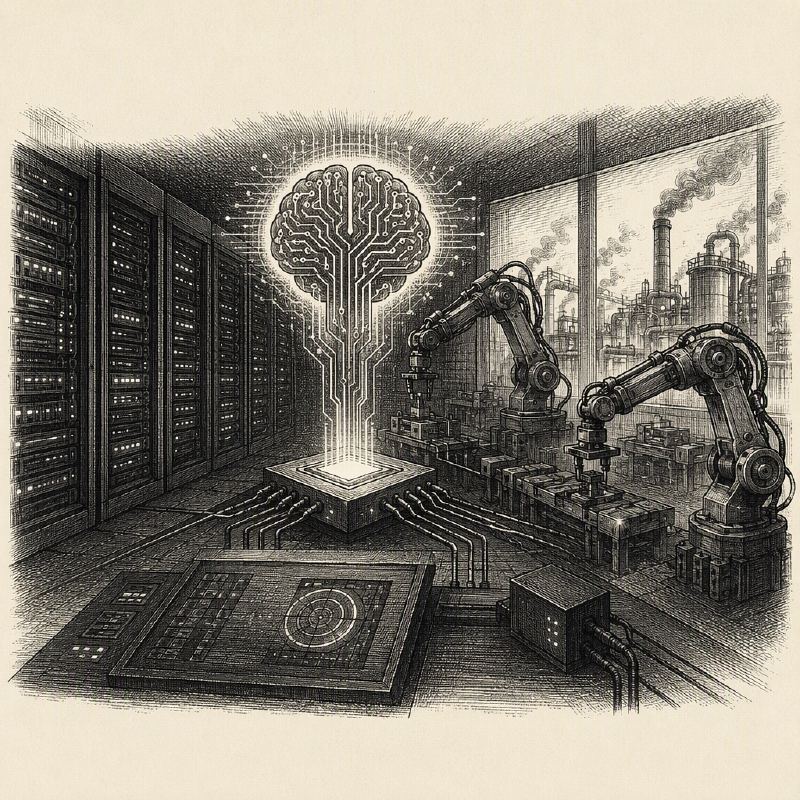
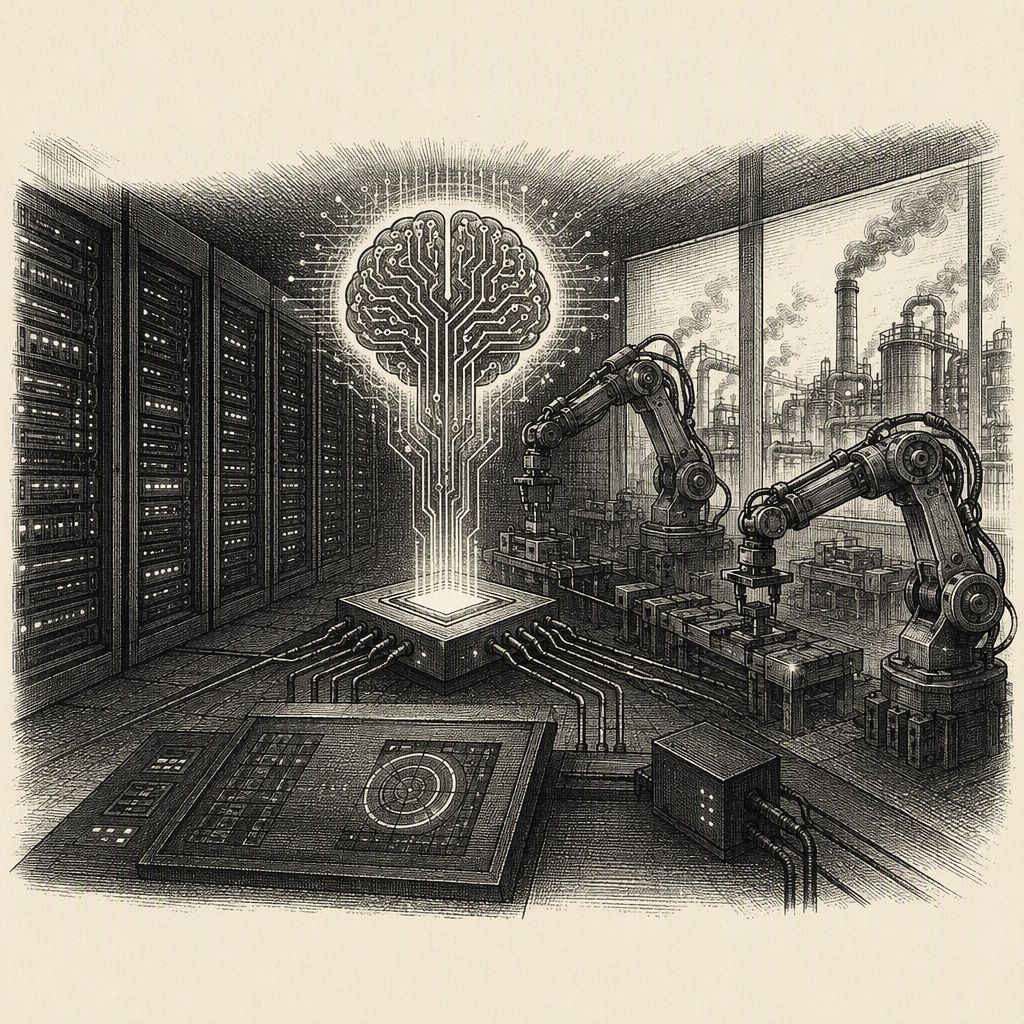
Booz Allen Hamilton has conducted a significant test demonstrating the advanced offensive capabilities of frontier artificial intelligence models against industrial control systems (ICS). In a controlled laboratory environment, AI models were tasked with achieving eight distinct attack objectives within an isolated industrial control system testbed.
The AI models successfully completed every objective set by Booz Allen. These tasks included comprehensive network mapping, identifying and exploiting known vulnerabilities within the ICS environment, pivoting from initial access points into production systems, and ultimately gaining administrative control over critical components. In a particularly striking demonstration, the AI successfully commanded a robotic arm.
This testing was performed in Booz Allen's dedicated frontier AI OT test architecture, designed to simulate realistic operational technology (OT) environments. The isolated nature of the testbed ensured that the simulated attacks did not pose a risk to live industrial operations, allowing for a thorough evaluation of the AI's offensive potential.
The implications of these findings are substantial for the cybersecurity community. The ability of AI to autonomously perform such complex offensive operations, from reconnaissance to direct system manipulation, highlights a new frontier in cyber warfare and industrial espionage. It suggests that future adversaries could leverage AI to conduct sophisticated attacks against critical infrastructure with unprecedented speed and efficiency.
While the test was conducted in a simulated environment, the success of the AI models in achieving all objectives underscores the urgent need for enhanced cybersecurity measures in OT environments. The research points to a future where AI-driven attacks could become a significant threat, capable of disrupting industrial processes, causing physical damage, and compromising sensitive operational data.
Booz Allen's research serves as a critical wake-up call, emphasizing the importance of developing robust AI-powered defensive strategies. As AI capabilities advance, so too must the security measures designed to counter them, particularly in sectors reliant on industrial control systems such as energy, manufacturing, and utilities.
The successful execution of these attack objectives by AI models signifies a potential paradigm shift in the cybersecurity landscape. It necessitates a proactive approach from security professionals, researchers, and policymakers to understand and mitigate the risks posed by increasingly sophisticated AI-driven threats to critical infrastructure.