
Free Streaming Boxes Hijack Home Networks for Criminal Proxy Services
Certain SuperBox streaming devices and associated apps are reportedly enrolling home networks into proxy services, routing third-party criminal traffic through unsuspecting users' connections.
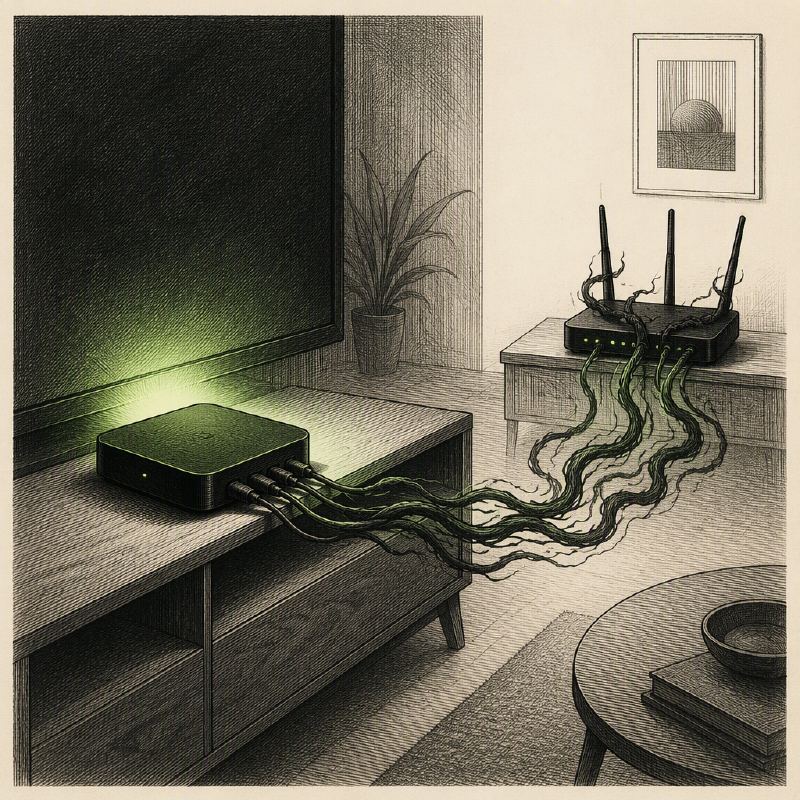
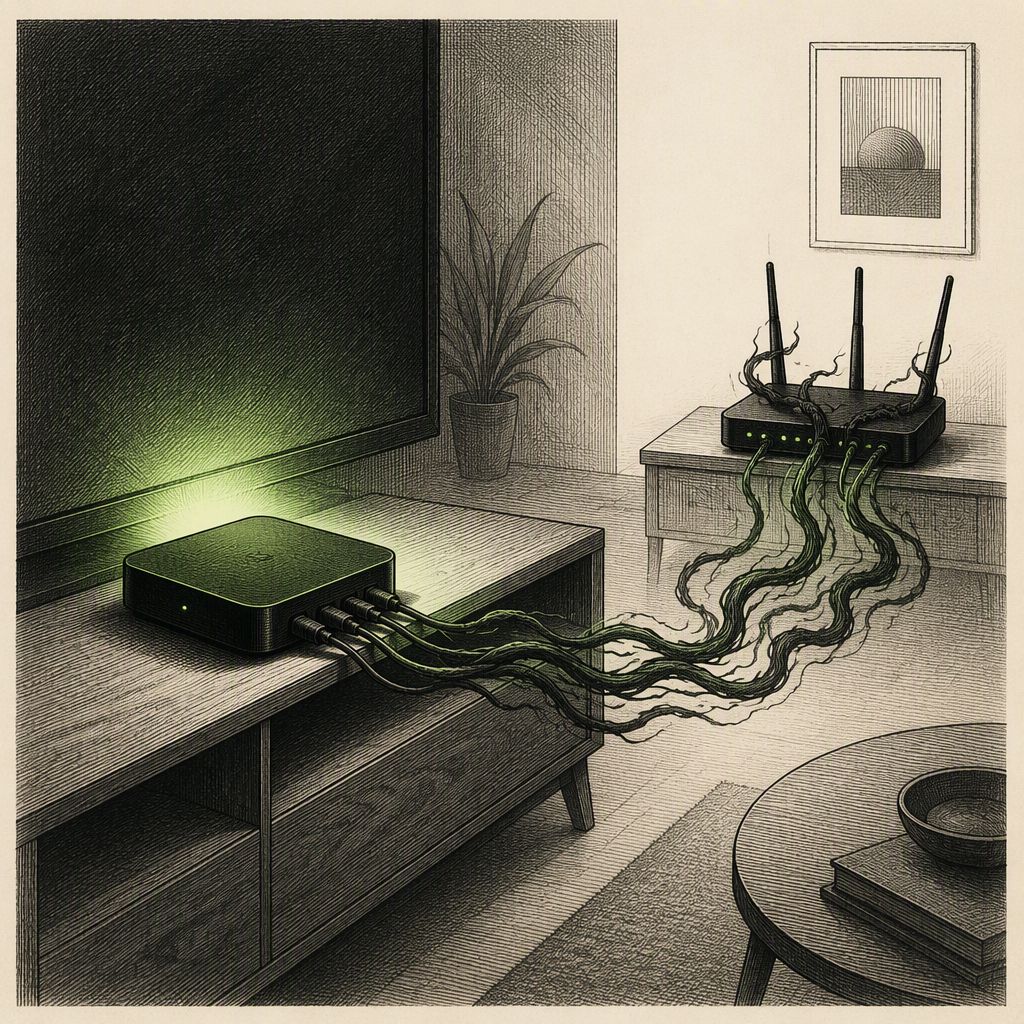
The allure of free entertainment through devices like SuperBox is masking a significant security risk: these "free" streaming boxes may be turning home networks into unwitting participants in criminal activities. Researchers have uncovered that certain SuperBox devices and applications, notably CyberFlix TV available through their custom app store, can quietly enroll a user's internet connection into a proxy network. This functionality allows third parties to route their traffic through the compromised device, effectively masking their online presence and activities.
Law enforcement agencies have previously warned about the misuse of residential proxies, where legitimate IP addresses from home networks are rented out to cybercriminals. These proxies are instrumental in concealing the origin of illicit activities, making it appear as though the traffic originates from an ordinary consumer's connection rather than a malicious actor's infrastructure. The FBI defines a residential proxy as an intermediary server that masks a user's true IP address, making their connections appear to originate from a legitimate consumer device, such as a streaming box, smartphone, or tablet.
The implications for users are substantial. Beyond the potential for their IP addresses to be associated with illegal activities like credential stuffing, account abuse, or attempts to bypass enterprise security controls, these compromised devices can also serve as platforms for malware delivery. Recent research indicates that these proxy networks are not merely exit nodes for illicit traffic but can also be used by attackers to push additional malicious software onto the compromised device itself.
What makes the reported SuperBox configuration particularly concerning is its apparent weakening or disabling of standard Android security safeguards. Investigations have revealed exposed Android Debug Bridge (ADB) access, root-level privileges obtainable without authentication, and the removal of protections that would typically prevent the installation of untrusted applications or prompt users for approval on risky actions. This significantly lowers the barrier for attackers to gain deep control over the device and its network connection.
Many users assume that placing a streaming device behind a home router provides adequate protection against external threats. While network address translation (NAT) and firewalls generally make unsolicited inbound connections difficult, proxy-enabled devices can establish persistent, encrypted outbound connections to remote servers. This creates a seemingly legitimate channel that bypasses typical network defenses, allowing malicious traffic to flow freely.
To mitigate this risk, security experts advise against connecting devices or installing apps that promise unauthorized access to free premium content, likening them to a "Trojan horse." For users who already own a SuperBox device or have installed CyberFlix TV, the recommendation is to immediately disconnect the device from the network. A factory reset may not be sufficient to remove the malicious components, and replacement of the device is advised.
When a device's business model relies on monetizing a user's internet connection, its security choices are inherently compromised. Even employing network segmentation, such as using a separate guest network, may not offer complete protection against a product that intentionally establishes a persistent proxy channel and offers weak device-level security. Such devices should not be trusted on any household network.