
Fortinet Products Vulnerable to Authentication Bypass via SSH Path Traversal
Fortinet products including FortiOS, FortiSASE, FortiProxy, and FortiPam contain a critical path traversal vulnerability in their SSH daemon that allows unauthenticated attackers to bypass authentication.
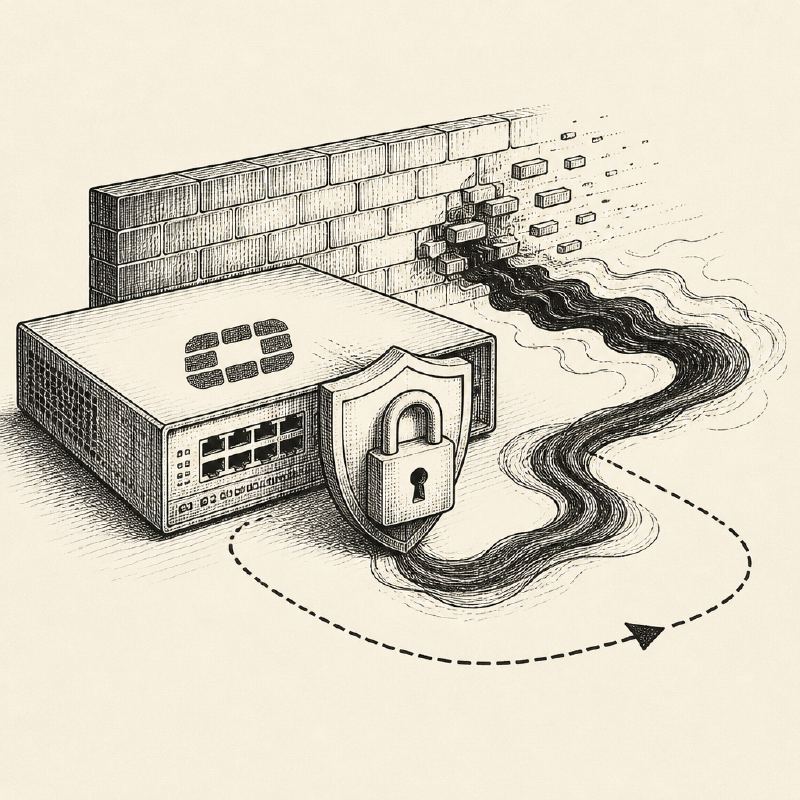
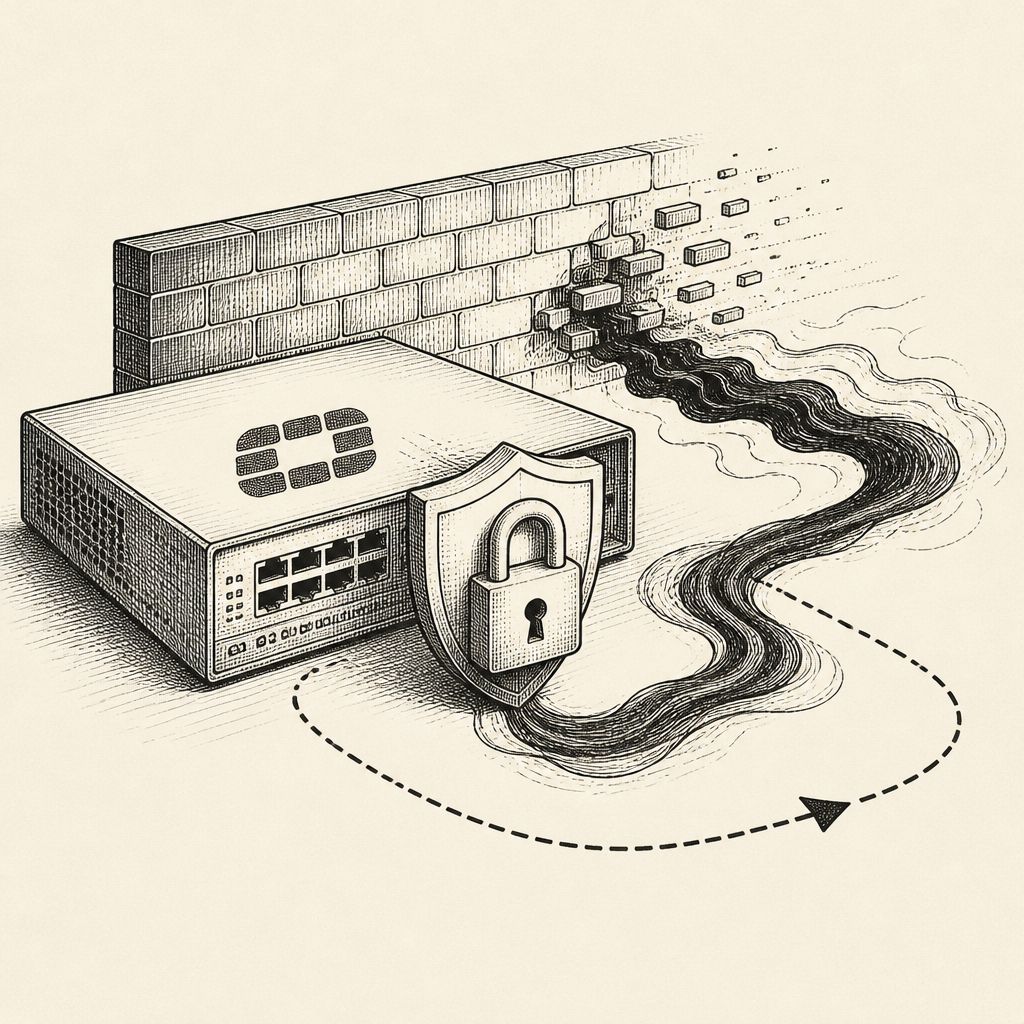
Fortinet has disclosed a significant security vulnerability, identified as CVE-2026-269, affecting multiple of its core products. The flaw resides within the SSH daemon component and permits an unauthenticated attacker to bypass authentication mechanisms through the submission of specially crafted credentials.
The vulnerability is classified as a Path Traversal issue (CWE-24), indicating that an attacker can manipulate input to access files or directories that they should not have access to. In this specific instance, the improper neutralization of special elements in output used by a downstream component within the sshd service allows for the circumvention of standard authentication procedures.
This bypass mechanism is particularly concerning as it requires no prior authentication, meaning any external actor could potentially attempt to exploit it. The CVSSv3 score of 7.4 highlights the severity of this vulnerability, categorizing it as High. Successful exploitation could lead to unauthorized access to systems that are protected by these Fortinet products.
The affected products include FortiOS, FortiSASE, FortiProxy, and FortiPam. These are widely used solutions for network security, secure access service edge, web proxying, and privileged access management, respectively. The broad impact across these critical infrastructure components underscores the potential for widespread compromise.
Fortinet has released revised information regarding this vulnerability on November 10, 2026. While the initial disclosure did not specify remediation steps, users are strongly advised to consult Fortinet's official security advisories for the latest information on affected versions and available patches or workarounds.
Organizations utilizing any of the affected Fortinet products should prioritize assessing their exposure to CVE-2026-269. Implementing network segmentation, restricting SSH access to trusted sources, and monitoring logs for suspicious authentication attempts can serve as interim mitigation strategies until patches can be applied.
This vulnerability serves as a stark reminder of the importance of secure coding practices, especially in network-facing services like SSH daemons. Regular security audits and prompt patching are crucial to defending against such authentication bypass threats.