
Former NSA Chief Nakasone Calls for Agency Overhaul Amid Evolving Cyber Threats
Former NSA Director Paul Nakasone stated a significant reorganization of the agency is likely necessary to address the accelerating pace of cyber threats, the rise of AI, and geopolitical competition.
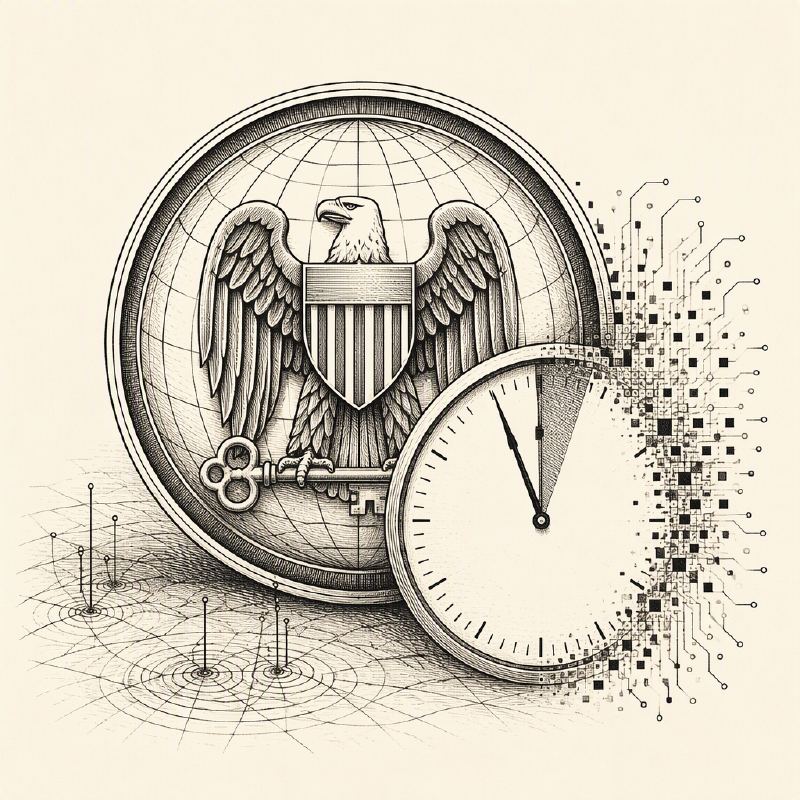
Former National Security Agency Director Paul Nakasone has indicated that a reported major reorganization of the agency is "probably necessary" to confront the rapidly evolving landscape of cyber threats, artificial intelligence, and geopolitical competition with China. Speaking at VulnCheck's ThreatCon1 conference, Nakasone addressed recent reports of the NSA undergoing a significant restructuring, reportedly centered on AI and China, which includes the creation of five new organizations focused on these areas, each led by a newly elevated mission director.
Nakasone, who led both the NSA and U.S. Cyber Command from 2018 to 2024, expressed encouragement that agency leadership recognizes the need for adaptation. He acknowledged that the world has changed dramatically, making it difficult to imagine the NSA remaining static. However, he cautioned that the success of such large-scale institutional changes hinges on their implementation, noting that "When you're a big bureaucrat, how effective is that change? I think it depends."
The former director highlighted a critical tension in the current national security environment: intelligence agencies are under immense pressure to adapt to emerging technologies like AI, aiming to maintain U.S. leadership while defending against adversaries who will undoubtedly leverage these same technologies. A key concern is the dramatic reduction in the time defenders have to detect and respond to cyber intrusions due to AI.
Nakasone cited data showing that the average time for adversaries to move laterally within a system after an initial intrusion has plummeted from hours when he took command in 2018 to an average of just 29 minutes as of 2025. This stark acceleration, he explained, has rendered older response mantras obsolete, posing a significant challenge for future defensive strategies.
This shrinking "defender's window" is particularly relevant as organizations explore AI for network defense. Nakasone, who also serves on the board of OpenAI, believes there is a temporary advantage for defenders before adversaries fully exploit AI's capabilities against critical infrastructure and sensitive organizations. He emphasized that adversaries have not yet fully caught up to the potential of AI for offensive operations.
Beyond technological shifts, Nakasone also addressed the critical issue of personnel. He pointed out the intense competition between government agencies and private companies for technical talent. Citing statistics on the national security workforce, he noted an aging demographic, with a significant portion eligible for retirement, and highlighted the need for the government to foster an environment that values its employees' contributions.
Nakasone stressed that the narrative surrounding government service needs improvement, countering the perception that it's merely a fallback for those unable to secure private sector jobs. He advocated for a more effective communication of the value and importance of government work in national security and cyber defense.
The proposed NSA reorganization, therefore, appears to be a strategic response to these multifaceted challenges, aiming to realign the agency's structure and focus to better counter sophisticated threats in an era defined by rapid technological advancement and intense global competition.