
Flock Surveillance Cameras Face Vandalism Calls Amid Privacy Backlash
Flock's automated license plate readers are under fire, with online campaigns encouraging vandalism on Halloween due to widespread privacy concerns and documented law enforcement abuses.
Surveillance technology company Flock is experiencing a significant public relations crisis as criticism mounts over its automated license plate readers (ALPRs). The company's network of cameras, which capture license plate data, has long been a target for privacy advocates concerned about mass surveillance and the retention of location information for individuals not suspected of any wrongdoing.
Recent incidents have intensified these concerns, including reports of U.S. Immigration and Customs Enforcement (ICE) agents accessing Flock data through local police departments and instances of officers allegedly using the system to stalk former partners. These revelations have coincided with an uptick in vandalism targeting Flock's ALPR hardware.
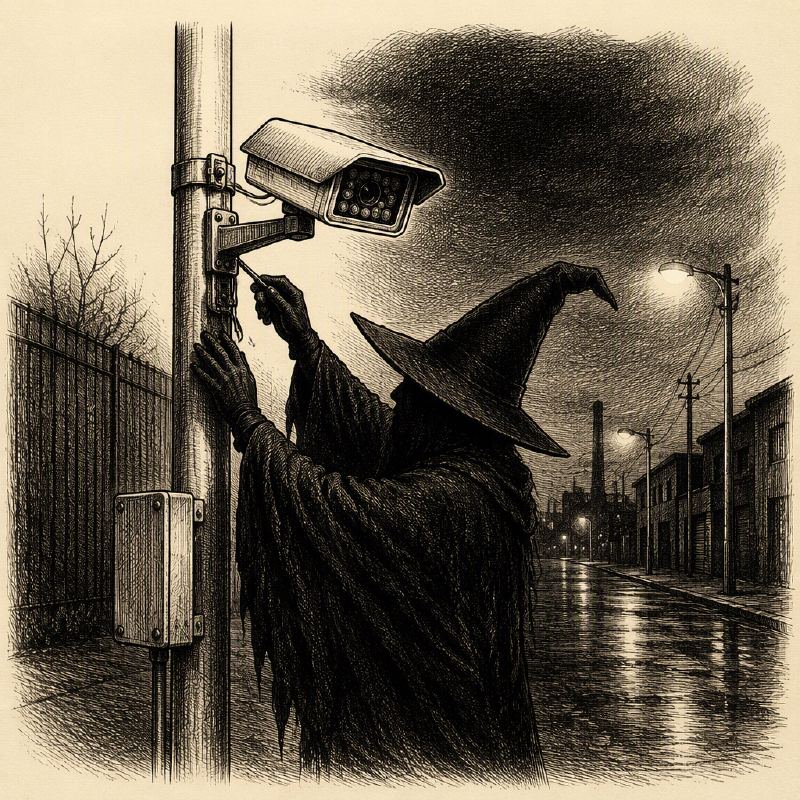
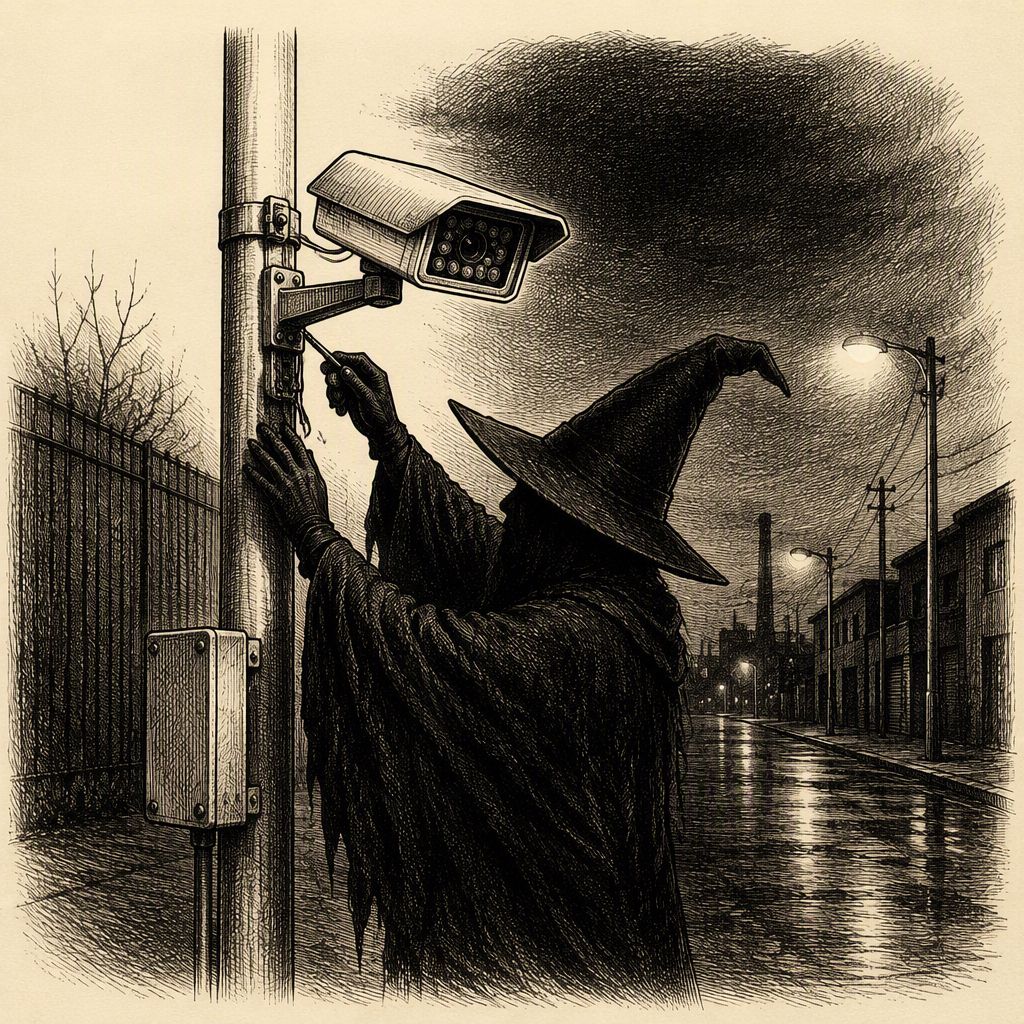
Adding to the pressure, a coordinated online campaign has emerged, promoting Halloween 2026 as a night for public action against Flock's surveillance technology. Social media platforms, including X, have seen widespread discussion of the "De-Flock America" movement, with posts encouraging participants to disable the cameras while obscuring their identities. The campaign's visibility has grown rapidly, with tens of thousands of posts recorded over a two-day period.
In response to the escalating backlash and documented abuses, Flock CEO Garrett Langley issued an apology and announced several changes to the company's policies. The standard data retention period for ALPR data has been reduced from 30 days to seven days. However, customers, such as law enforcement agencies, can retain data for longer periods through a new "Evidence Mode" if it is necessary for ongoing casework.
Flock has also introduced new controls aimed at preventing misuse by external agencies. Police departments can now restrict the types of searches that other jurisdictions can perform on their data. This feature is intended to prevent scenarios like ICE agents accessing data without a direct contract, by allowing agencies to block searches related to specific activities, such as immigration enforcement.
Furthermore, Flock will mandate the use of its "Audit Assistance" feature by the end of the year. This tool is designed to detect and flag unusual search activity, which has reportedly been instrumental in identifying law enforcement officers who allegedly abused the system. Currently optional, it will become a mandatory requirement for all customers.
Despite these measures, concerns persist among privacy advocates and the public. The reduction in data retention is seen by some as insufficient, and allegations of ongoing abuse continue to surface. The company's media team has reportedly responded to inquiries with automated messages, indicating a strain on their resources or a deliberate communication strategy amidst the controversy.
The growing public outcry and calls for direct action highlight the deep-seated concerns surrounding the proliferation of surveillance technology and the potential for its misuse, even as companies like Flock attempt to implement safeguards.