
Flock Cameras Track People, Not Just Cars, Raising Surveillance Concerns
Flock Safety ALPR cameras, designed for vehicle tracking, have been found to detect people, and a separate incident shows police using the data to track officers, amplifying privacy concerns.
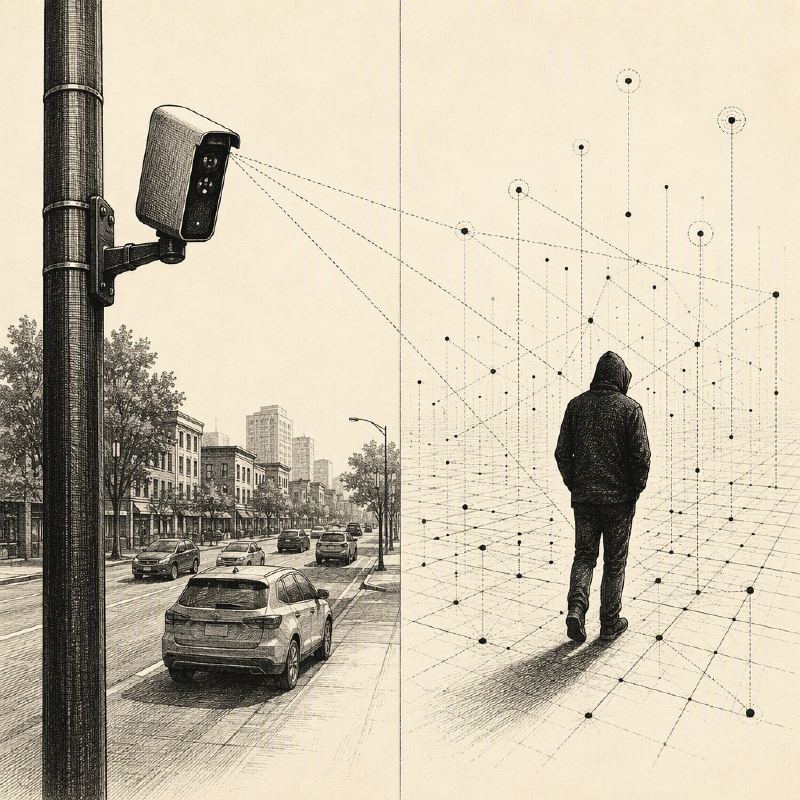
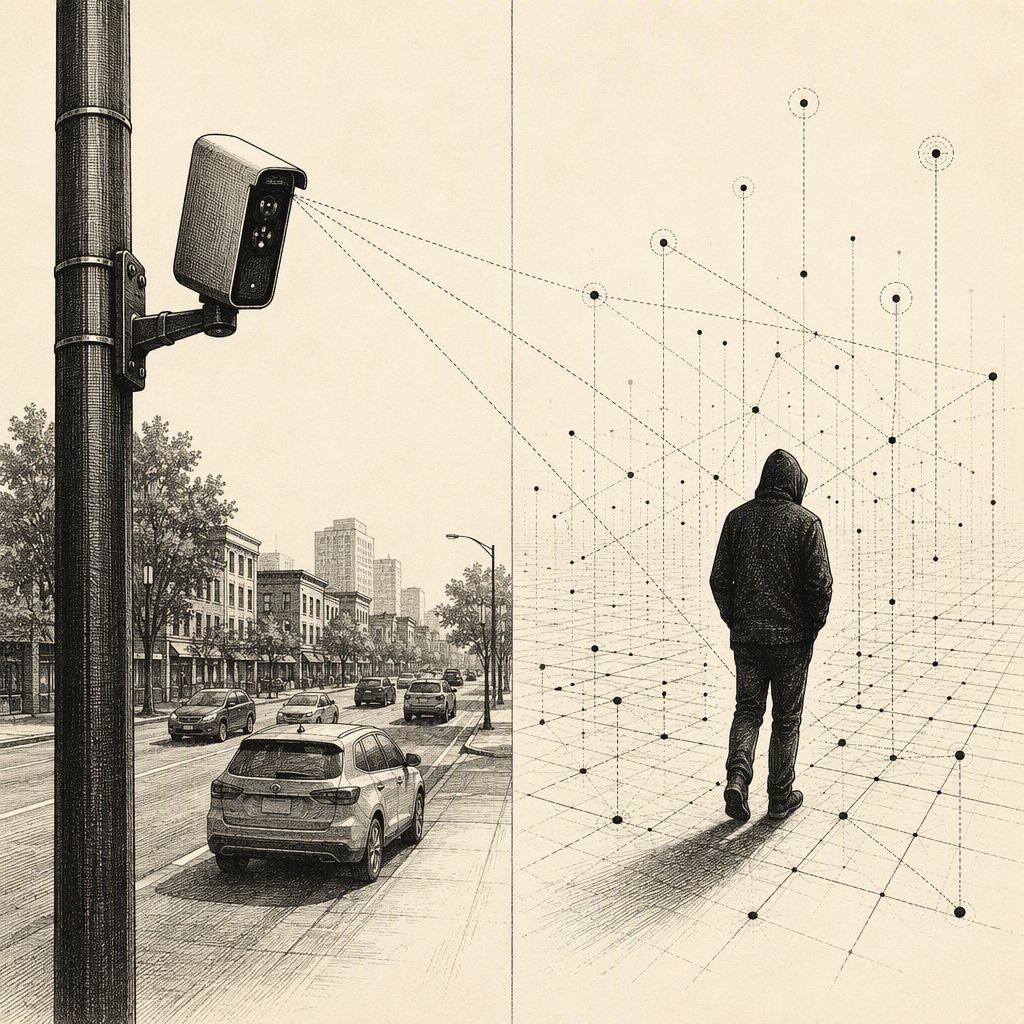
Flock Safety's automated license plate readers (ALPRs), primarily marketed to law enforcement for tracking vehicles and identifying suspects, have come under scrutiny for their potential to monitor individuals. A joint investigation by 404 Media and WIRED uncovered evidence that the cameras' on-device software is capable of detecting people, not solely vehicles, bicycles, and license plates as publicly emphasized.
This discovery stems from data recovered from a physically removed Flock camera. Hackers reportedly bypassed the device's on-board encryption, accessing video footage of thousands of vehicle detections. Crucially, the recovered files contained software models that explicitly identify people, a capability that has largely been downplayed in public discussions surrounding Flock's technology. While researchers found no evidence of active facial recognition features, the ability to detect and log the presence of individuals raises significant privacy implications.
Even without facial recognition, a system that repeatedly logs sightings of individuals can create detailed profiles of their movements. This data can reveal sensitive personal information, such as home and work locations, places of worship, healthcare facilities, protest attendance, and social connections. When a person is linked to a vehicle detected by the system, the tracking capabilities effectively shift from vehicle-centric to person-centric surveillance.
The scope of data accessibility is also a concern. Records from Alpharetta, Georgia, for instance, were found to be accessible to over 2,000 agencies, including police departments, universities, airports, and even a federal Office of Inspector General, highlighting the broad reach of Flock's data network.
Adding to these concerns, the Washington D.C. Police Union reported that the Metropolitan Police Department (MPD) used Flock data to track police officers under internal investigation without their knowledge. The union filed a complaint, arguing that the MPD lacked sufficient controls for a system with such extensive surveillance potential. The MPD defended its actions, stating the use of the data was appropriate for the misconduct investigation, a dispute now heading to arbitration.
This incident involving law enforcement personnel underscores the broader privacy risks. If officers themselves are concerned about the potential for covert monitoring, the public has valid reasons to question how this technology might be used to track ordinary citizens, employees, journalists, activists, or former partners, potentially without meaningful oversight or recourse.
Flock's stated commitment to privacy is challenged by these revelations. The recovered camera software and the D.C. incident demonstrate that the network is more than just a collection of roadside devices; it's a distributed system capable of recording, analyzing, and sharing movement data. Effective safeguards are essential, including public input on camera deployment, strict limits on data collection and sharing, documented justification for searches, transparent audit logs, and clear prohibitions against using the data for political surveillance or personal vendettas.
The core privacy issue remains the system's inherent ability to build a searchable record of ordinary people's lives. Without robust, independently verifiable safeguards, the potential for misuse and pervasive surveillance by both law enforcement and potentially other entities remains a significant threat to civil liberties.