
Five Major IT Outages in Six Days Highlight Systemic Resilience Issues
A spate of five significant IT outages affecting Microsoft, FAA, JPMorgan Chase, NSA, and Apple between November 12-17, all traced to internal technical failures, has prompted renewed focus on IT resilience.
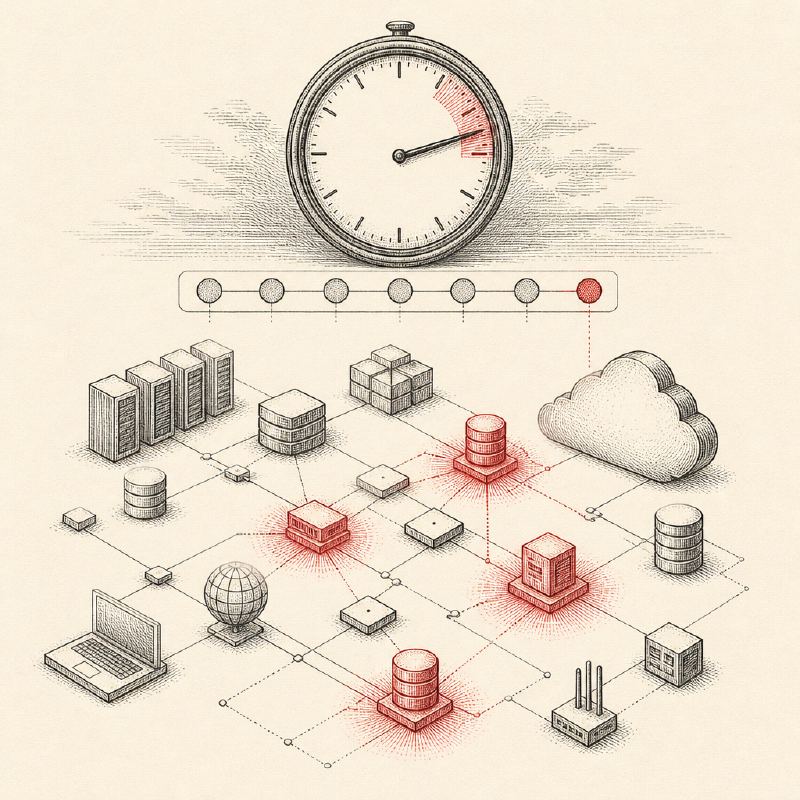
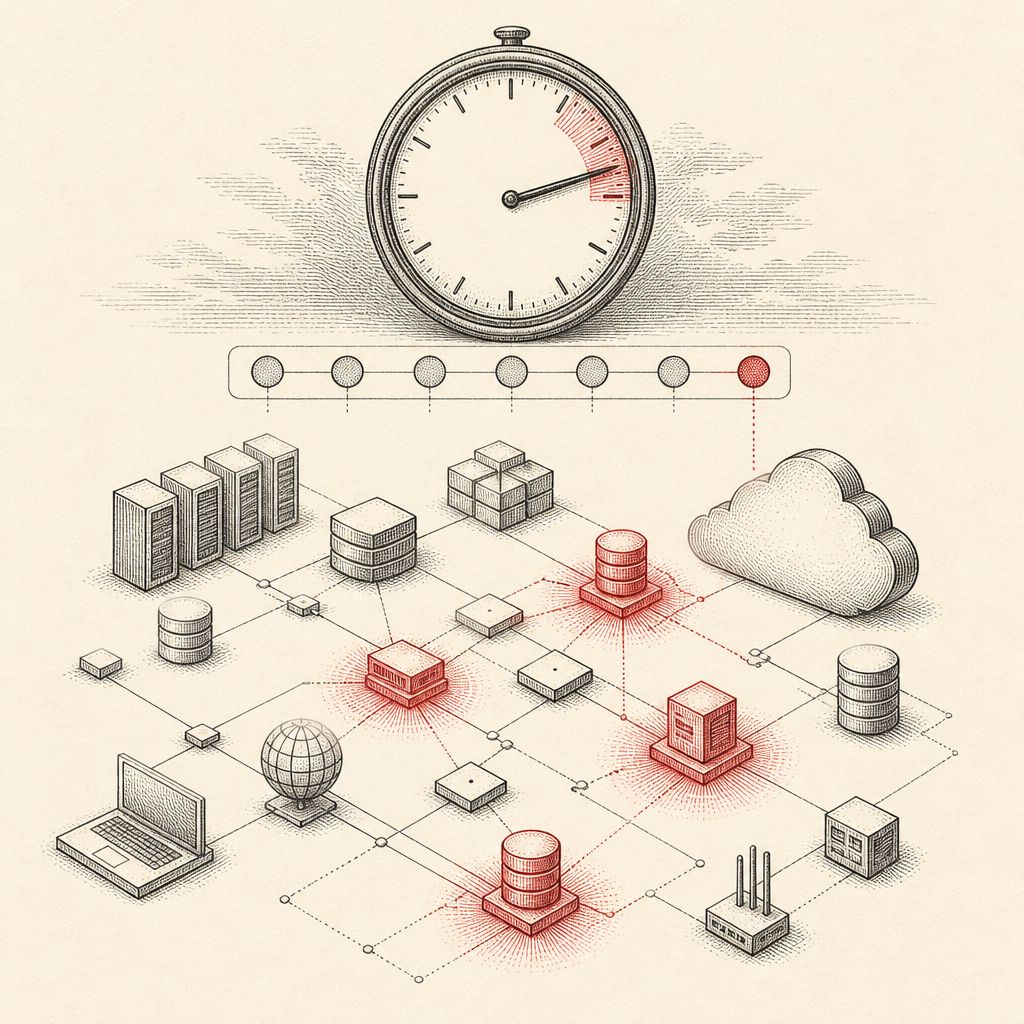
A concentrated period of disruption between November 12 and 17 saw five major IT outages impact critical services at Microsoft, the Federal Aviation Administration (FAA), JPMorgan Chase, the National Security Agency (NSA), and Apple. These incidents, which collectively halted cloud services, air traffic control, banking transactions, and internal corporate systems, have been attributed to internal technical issues such as software defects, infrastructure changes, and maintenance activities, rather than external cyberattacks. A new report by CyberEdBoard, "Five Outages, Six Days: Why the Systems Failed," details these events and extracts key lessons for IT and cybersecurity leaders.
Microsoft's Azure cloud platform experienced a nearly 24-hour outage on November 12-13, caused by a latent software defect introduced months earlier. This defect, combined with a failure of network safeguards and an unrelated issue affecting gateway capacity, led to widespread service degradation. Microsoft engineers eventually restored functionality by rolling back to an earlier code version, highlighting the challenges of addressing deeply embedded, long-standing software flaws.
The FAA faced a nationwide ground stop on November 13, disrupting air travel for hours. The cause was traced to instability in legacy equipment after a network provider, L3Harris, deployed a new router. The instability spread across multiple Air Route Traffic Control Centers, impacting radar and communication systems. The FAA's response involved disabling the new routers and similar devices, underscoring the risks associated with network changes on aging infrastructure.
On November 16, JPMorgan Chase suffered a significant disruption to its banking services and transaction processing, including delays for Zelle payments. The bank attributed the outage to a software bug within an on-premises hardware system, emphasizing that it was a temporary technical issue unrelated to any cybersecurity threat. While Chase's internal systems were affected, the impact on other financial institutions was primarily limited to transactions involving Chase.
Internal systems at the NSA were also affected on November 17, with the agency reporting temporary degradation of its classified internal network, NSA Net. While the NSA did not specify the exact cause, reports suggest it was linked to scheduled routine maintenance, system patching, or software upgrades. The agency assured that mission-critical capabilities remained operational despite the internal communication disruptions.
Apple also reported widespread outages on November 17, impacting services such as iCloud Account & Sign In, Apple Business, and Apple School Manager. Employees reportedly lost access to internal systems like Apple Connect and VPN services for remote workers. Apple cited an internal update as the cause, noting that many systems were affected before being restored.
Collectively, these incidents serve as a stark reminder of the fragility of complex IT systems, even in the absence of malicious actors. The reliance on interconnected systems means that a single point of failure, whether a software bug or a network configuration error, can cascade into widespread disruption. The events highlight the critical importance of robust change management, thorough testing, effective rollback strategies, and continuous monitoring to ensure the resilience of essential digital infrastructure.
The lack of evidence pointing to cyberattacks in these five major outages shifts the focus from external threats to internal vulnerabilities. Organizations must increasingly prioritize the stability and reliability of their own systems, investing in proactive measures to prevent and rapidly recover from technical failures. The lessons learned from this cluster of incidents are vital for maintaining operational continuity in an increasingly digital world.
This ISMG Editors' Panel discussion broadens the scope beyond the initial five major IT outages, incorporating insights from editors on the implications of Jensen Huang's departure from Nvidia for the AI industry and Corma's significant $125 million funding round for AI-driven cyber defense tools. The editors also delve into the specific causes of the outages at Microsoft, FAA, JPMorgan Chase, and NSA, linking them to the risks of aging infrastructure and advocating for more transparent post-incident reviews.
CISA Acting Director Nick Andersen emphasized that the recent wave of outages, including those affecting Microsoft Outlook and banking services, highlights the critical need for system resilience. He stressed that the cause of disruption—whether a cyberattack, a faulty patch, or a modernization issue—is less important than ensuring systems can withstand and recover from failures to maintain essential services.