
FinCEN Systems Offline Following Cybersecurity Incident, Reporting Deadlines Extended
The U.S. Treasury's Financial Crimes Enforcement Network (FinCEN) is investigating a cybersecurity incident that has forced some of its systems offline and led to extended reporting deadlines for financial institutions.
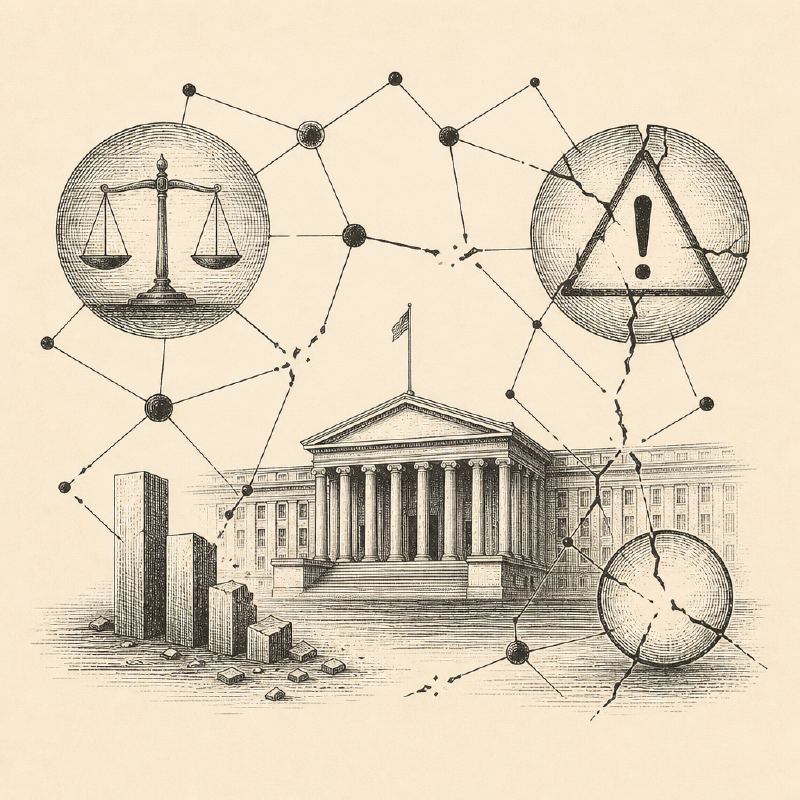
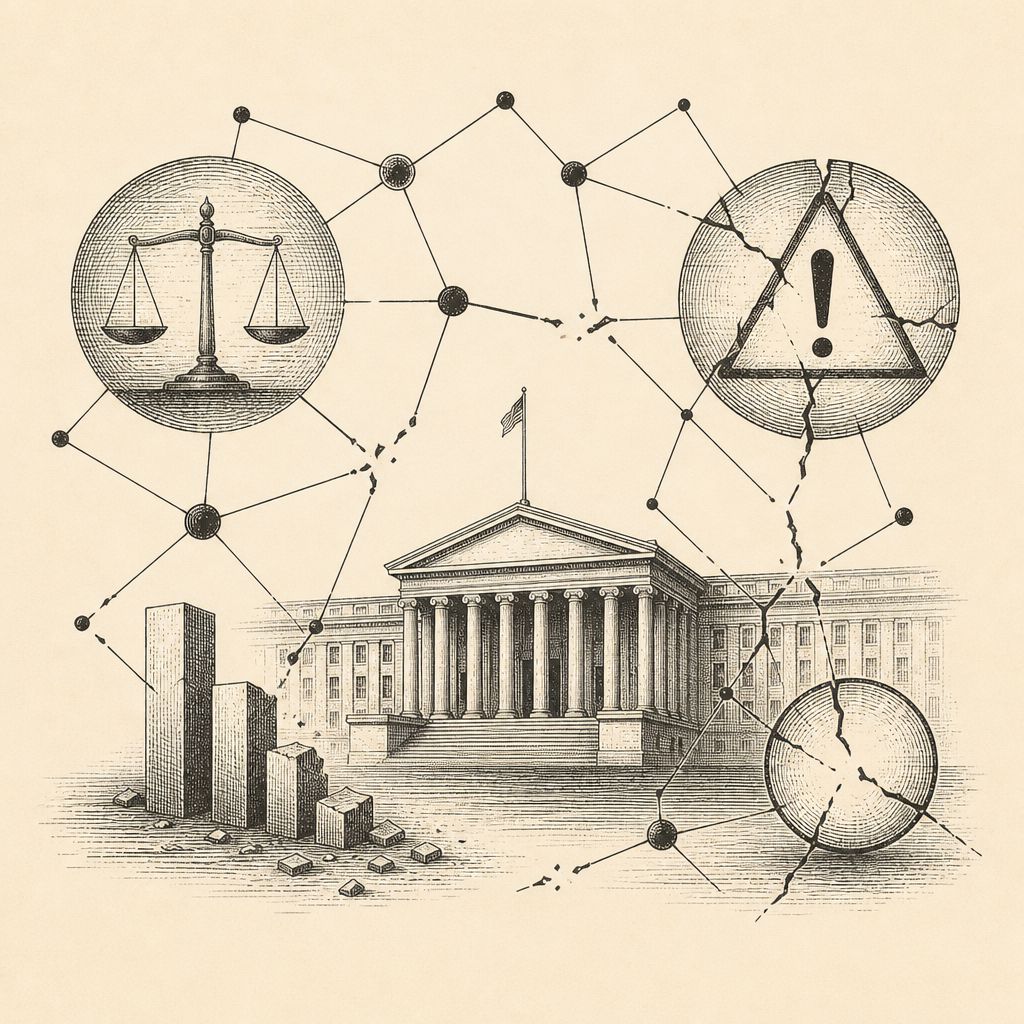
The U.S. Treasury's Financial Crimes Enforcement Network (FinCEN), the nation's financial intelligence unit, is currently grappling with a significant cybersecurity incident that has necessitated the temporary shutdown of several internal systems. This intrusion has disrupted the agency's ability to process critical financial data, leading to a ripple effect across the financial sector.
FinCEN plays a crucial role in combating financial crime by collecting and analyzing Suspicious Activity Reports (SARs) and other Bank Secrecy Act (BSA) filings from banks and financial institutions. This intelligence is then shared with law enforcement agencies to track illicit financial activities. The agency confirmed the breach through an alert on its BSA E-Filing website, stating that "a cybersecurity incident that resulted in unauthorized access to a limited subset of its systems" was under investigation and that "As a proactive measure, FinCEN has taken some systems offline."
Details regarding the exact nature of the intrusion, the specific systems affected, or the identity of the threat actors remain scarce. However, the impact on financial institutions is already being felt. In response to the service disruption, FinCEN issued an order on November 24th, granting temporary relief to filers facing difficulties in meeting their reporting obligations. This relief extends deadlines for eligible filings and updates that were due between November 18th and December 29th, pushing the new deadline to December 30th.
The disruption appears to have primarily affected the Secure Data Transfer Mode (SDTM), a key channel for submitting BSA reports. Furthermore, services used by companies to file beneficial ownership information and by individuals to update their FinCEN identifiers have also been impacted, underscoring the breadth of the operational disruption.
This incident at FinCEN is the latest in a concerning trend of cybersecurity breaches affecting U.S. federal agencies. Recent months have seen similar intrusions reported at the Department of Agriculture, multiple breaches at the FBI, and cyber incidents impacting the Pentagon and the Department of Homeland Security. The recurring nature of these attacks highlights persistent vulnerabilities within government networks.
The ongoing nature of these breaches raises serious questions about the security posture of federal agencies and their ability to protect sensitive data. As FinCEN works to restore its systems and assess the full scope of the compromise, the incident serves as a stark reminder of the persistent threats facing government infrastructure and the critical need for robust cybersecurity defenses.
The agency is reportedly working diligently to return all systems to normal operations as swiftly as possible. However, the extended downtime and the nature of the data handled by FinCEN mean that the full ramifications of this breach may take considerable time to fully understand and mitigate.