
FBI Warns of Chinese Group QTFY's Sophisticated Hacking Ecosystem Targeting US Infrastructure
The FBI has issued a warning about the Chinese hacker group QTFY, which is employing a custom-built, distributed hacking ecosystem to exploit vulnerabilities at scale and obfuscate its activities against US infrastructure.
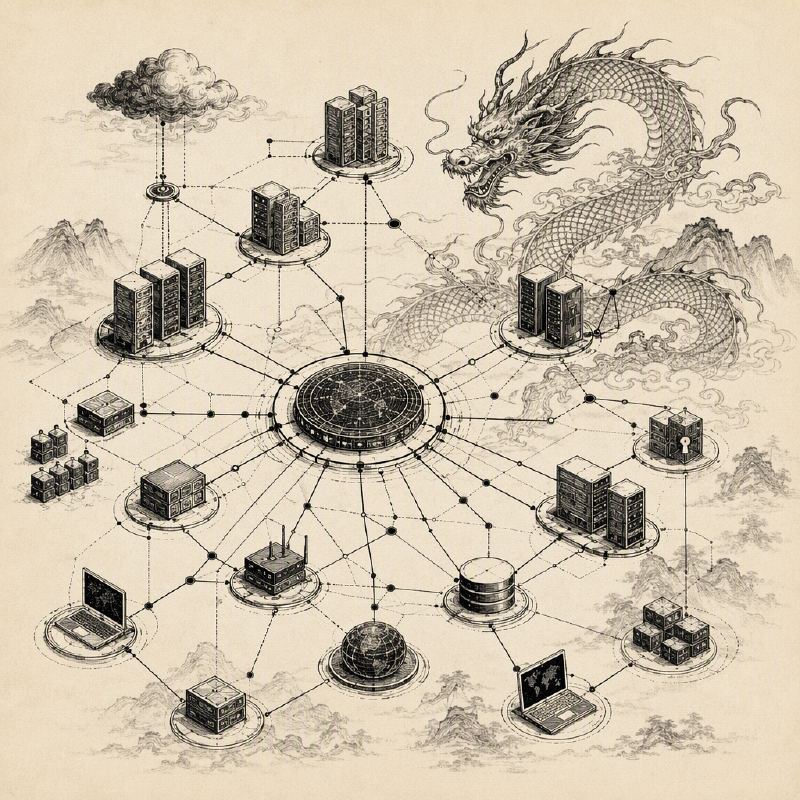
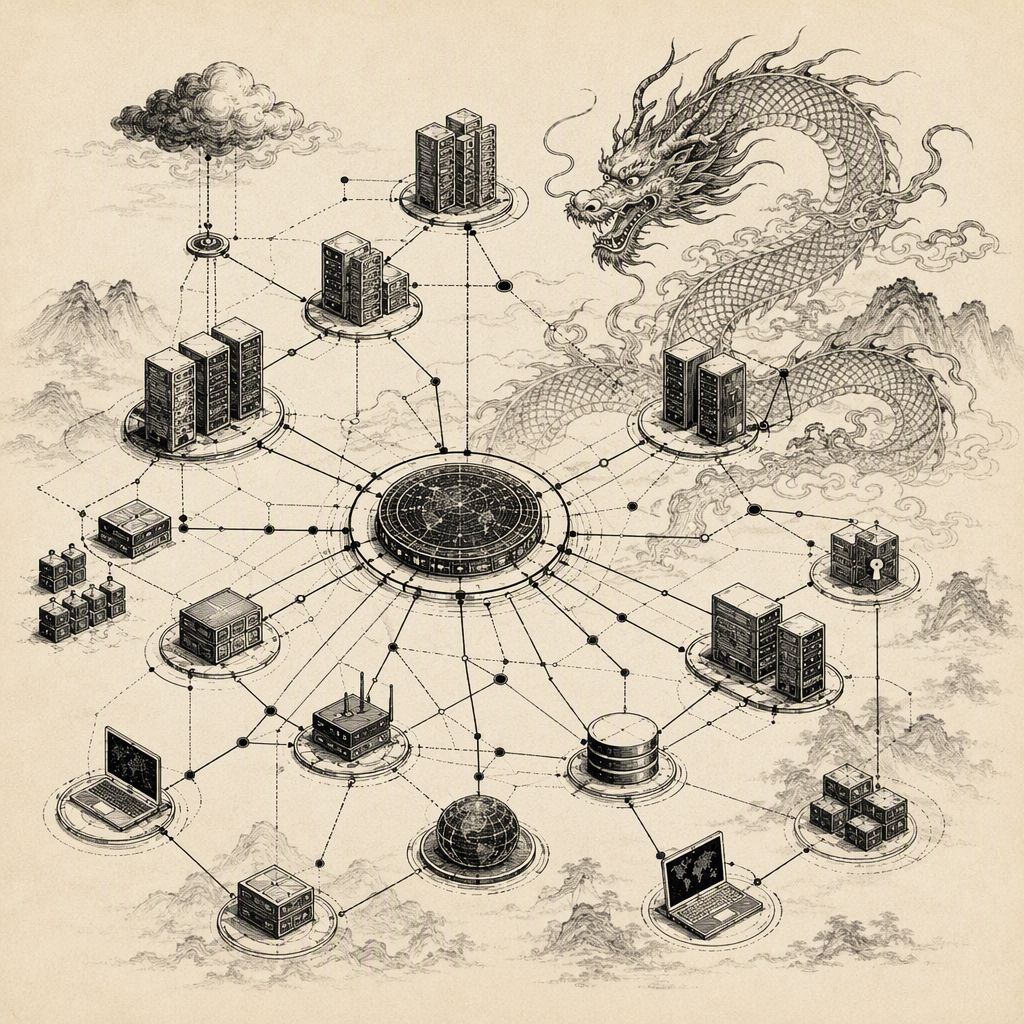
The FBI has issued a public warning detailing the sophisticated operations of a Chinese state-sponsored hacking group known as QTFY. This group is reportedly targeting critical infrastructure within the United States, employing a complex, custom-built, and distributed hacking ecosystem. This infrastructure is designed to enable large-scale exploitation of vulnerabilities while simultaneously obscuring the group's malicious activities, making attribution and defense significantly more challenging.
QTFY's operational methodology relies on a highly adaptable and distributed platform. This approach allows the threat actors to maintain a low profile and evade detection by security systems. The FBI's advisory highlights that this ecosystem is not a static toolset but rather a dynamic framework that can be reconfigured and scaled to meet the evolving demands of their campaigns. The distributed nature means that various components of their infrastructure may be spread across numerous compromised systems or cloud services, further complicating efforts to dismantle their operations.
The primary objective of QTFY appears to be the disruption and compromise of US critical infrastructure. While the specific sectors targeted are not fully detailed in the advisory, the implication is that these attacks could have significant real-world consequences, potentially impacting essential services. The group's ability to exploit vulnerabilities at scale suggests a broad reach and a capacity to affect numerous organizations simultaneously.
Exploitation at scale is facilitated by the group's custom infrastructure, which likely includes tools for vulnerability scanning, exploitation, and maintaining persistent access. The obfuscation techniques employed are crucial to their success, allowing them to operate undetected for extended periods. This could involve sophisticated anti-analysis measures, encrypted command-and-control (C2) channels, and the use of living-off-the-land techniques to blend in with normal network traffic.
The FBI's warning serves as a critical alert to organizations operating within the US critical infrastructure sector. It underscores the persistent and evolving threat posed by state-sponsored actors. The advisory urges these entities to review their security postures, implement robust network monitoring, and ensure that all systems are patched against known vulnerabilities. Proactive threat hunting and incident response readiness are also paramount.
While the advisory does not attribute specific CVEs to QTFY's current operations, it emphasizes the need for vigilance against a wide range of potential exploits. Organizations are advised to strengthen their defenses against common attack vectors, including phishing, supply chain compromises, and direct exploitation of internet-facing services. The FBI encourages reporting of any suspicious activity that may be linked to QTFY or similar threat actors.
The FBI's disclosure of QTFY's tactics, techniques, and procedures (TTPs) is a crucial step in raising awareness and enabling defensive measures. By sharing this information, the bureau aims to equip cybersecurity professionals with the knowledge needed to identify and mitigate the threats posed by this sophisticated Chinese hacking group. The ongoing threat from state-sponsored actors targeting critical infrastructure remains a significant concern for national security.
This development highlights the continuous arms race in cybersecurity, where advanced persistent threats (APTs) like QTFY are constantly innovating their tools and methodologies. The FBI's proactive warning is a testament to the evolving nature of cyber warfare and the importance of intelligence sharing in combating these sophisticated adversaries.