
FBI Warns of AI-Powered Voice Cloning Scams Targeting 2026 Midterm Elections
Scammers are leveraging AI to clone candidate voices and impersonate campaigns, aiming to defraud voters and harvest personal data ahead of the 2026 US Midterm Elections.
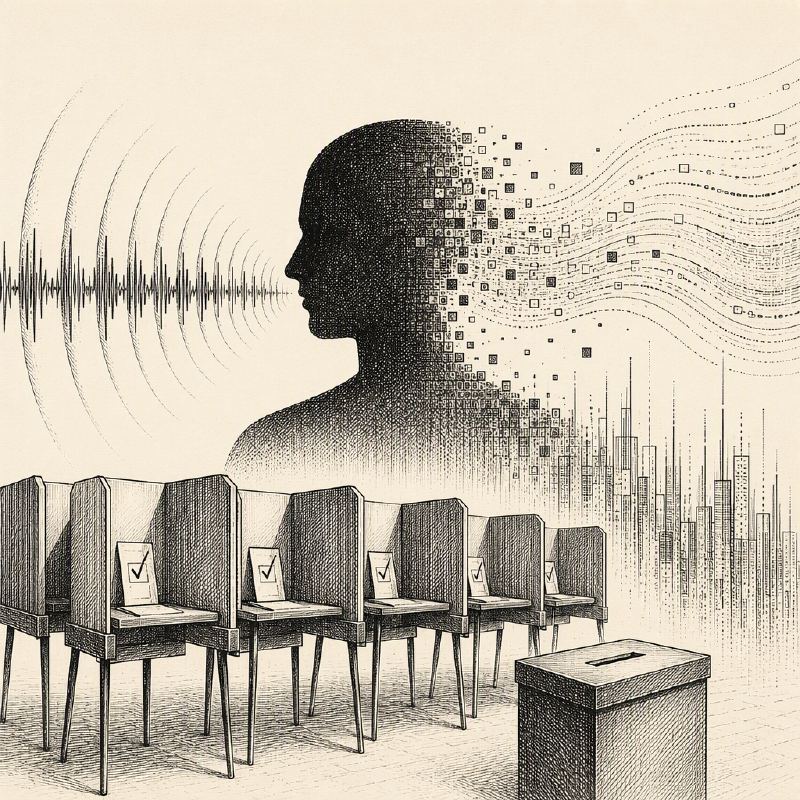
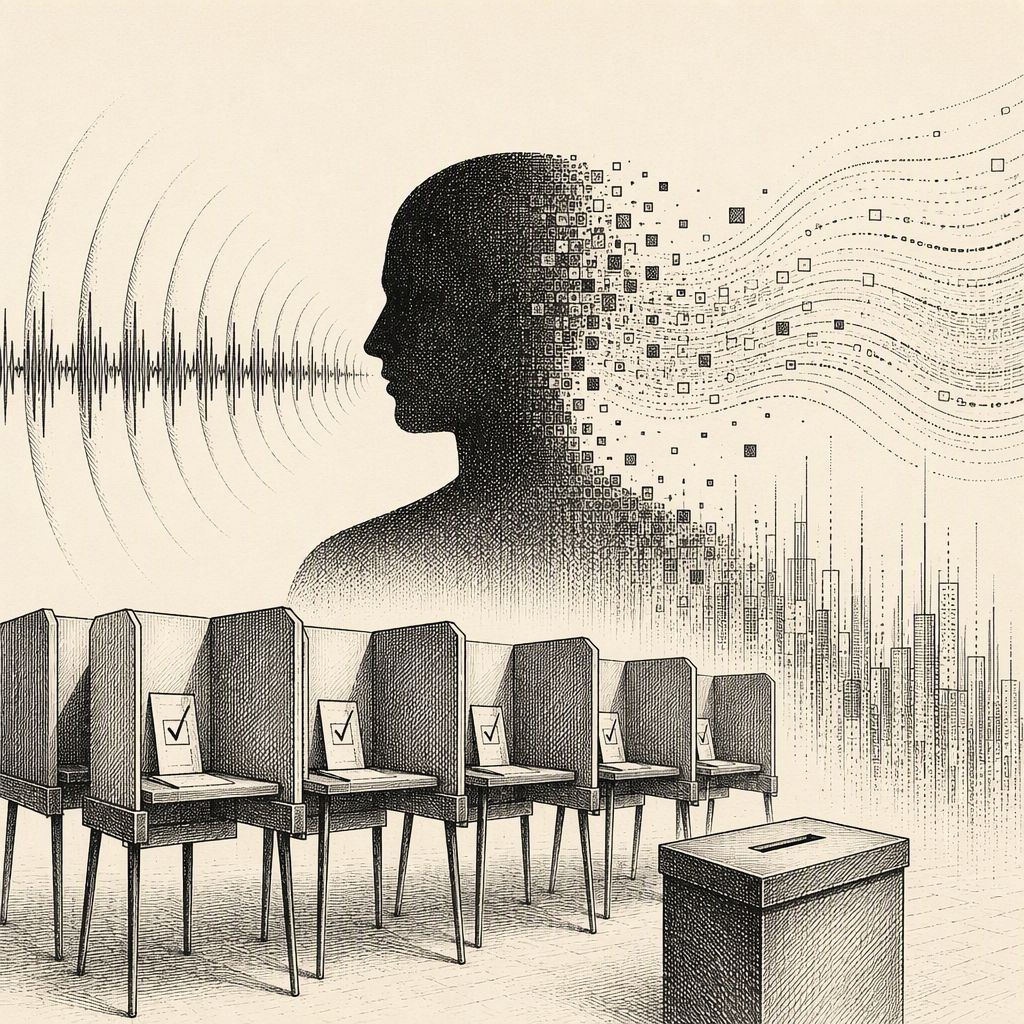
The FBI has issued a stark warning to the public regarding an escalating threat of sophisticated scams designed to exploit the upcoming 2026 US Midterm Election. Fraudsters are increasingly employing advanced techniques, including AI-powered voice cloning, to impersonate political candidates, campaigns, and trusted entities. These malicious actors are using cloned voices, along with stolen candidate names, logos, and slogans, to solicit fake campaign contributions, sell non-existent merchandise, and crucially, harvest sensitive voter data.
This alert serves as an update to similar warnings issued prior to the 2024 general election, indicating a persistent and evolving threat landscape. The FBI highlighted that these schemes have previously targeted state and local elections and are now poised to impact voters nationwide. The primary objectives are financial fraud and the acquisition of Personally Identifiable Information (PII) that can be used for further identity theft and other fraudulent activities.
The realism of these AI-generated impersonations makes them particularly dangerous. Scammers can produce convincing voices, images, and written messages that are difficult for the average person to distinguish from legitimate communications. This advanced deception significantly increases the likelihood of victims falling prey to financial loss or having their PII compromised.
One common tactic involves promising victims a guaranteed return on campaign contributions, framing them as investments in a candidate's campaign pool that will pay out after a win. Victims are often encouraged to recruit others, creating a pyramid-like structure that further disseminates the scam. The FBI emphasizes that campaign donations are not investments and will not increase in value or be returned.
Beyond financial fraud, scammers are also targeting voters' personal details directly. One described scheme involves sending texts or emails claiming the recipient is not registered to vote, directing them to a fake state voter registration page. This is a direct method to steal PII for identity theft and to identify potential targets for subsequent fraud operations.
Max Gannon, Cyber Intelligence Team Manager at Cofense, noted that election seasons provide a ready-made lure for threat actors, requiring minimal creativity or skill. The advancement of AI has removed the tell-tale clumsy mistakes of older scams, making cloned voices and polished messages appear highly convincing. He advises vigilance, urging individuals to pause and verify any message that pressures them to act or provokes a strong emotional reaction, using trusted sources like the FEC or vote.gov, rather than links or information provided in the suspicious communication.
In parallel, the social media platform X has reported suspending over 13,000 accounts involved in three suspected foreign influence operations linked to Iran, Russia, and China. These networks used inauthentic accounts to amplify content related to US politics, targeting candidates and public figures across parties. X encourages users to flag potentially misleading posts about voting procedures under its "Civic Integrity" reporting menu.
The FBI's warning underscores the growing intersection of artificial intelligence and election security, urging voters and campaigns alike to remain vigilant against increasingly sophisticated digital threats designed to undermine democratic processes and exploit public trust.