
FBI Warns Cybercriminals Weaponize Traffic Distribution Systems for Stealthy Redirection Attacks
The FBI issued a public warning that cybercriminals are using Traffic Distribution Systems to silently redirect users to phishing sites and malware portals, evading security scanners through precise targeting.

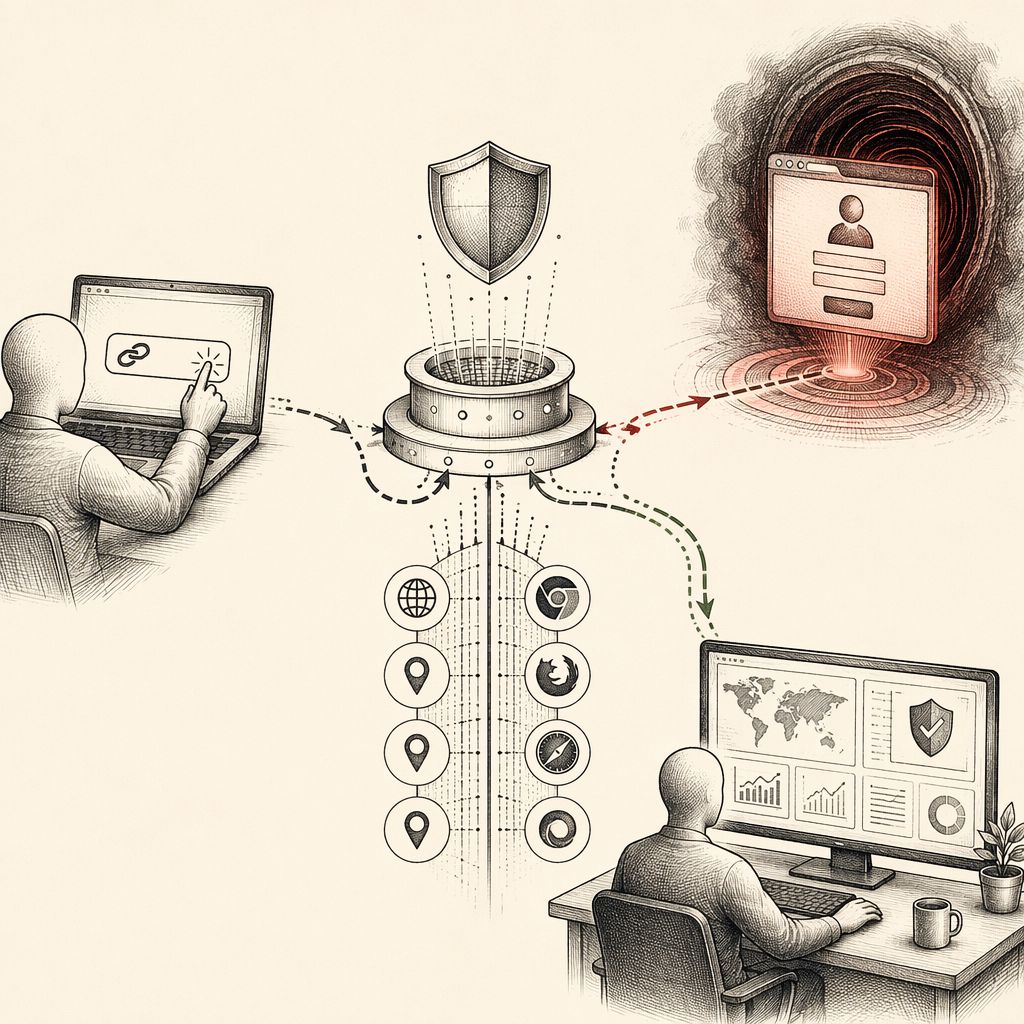
The FBI has issued a stark warning about a surging cyber threat that operates largely out of sight. In a Public Service Announcement on June 18, 2026, the bureau detailed how cybercriminals are weaponizing Traffic Distribution Systems (TDS) to silently redirect internet users to fraudulent websites, phishing pages, and malware distribution platforms. The advisory, shared with Cyber Security News, highlights a technique that is rapidly gaining traction among ransomware groups and other sophisticated threat actors due to its ability to bypass traditional security defenses.
Traffic Distribution Systems are not inherently malicious. Originally developed for legitimate marketing and web traffic management, a TDS sits between a user and their intended destination, routing visitors based on rules set by the operator. However, criminals have twisted this functionality to mask the final malicious destination behind a chain of intermediate redirections. When a victim clicks a link in a phishing email, interacts with a poisoned search result, or visits a compromised legitimate site, the TDS silently evaluates their attributes and decides where to send them next—all in the span of seconds and without any visible indication.
The stealth of this attack lies in its ability to filter targets with surgical precision. Before redirecting a user, the TDS collects data such as their IP address, geographic location, operating system, and browser type. This allows attackers to skip security researchers or users from regions they are not targeting, instead showing benign content to evade detection. For example, a researcher investigating a suspicious site may see nothing unusual, while a targeted user in a specific country is silently funneled to a credential-harvesting portal. This filtering defeats conventional security scanners and sandboxing tools, which often capture only harmless content.
The consequences of falling into a malicious TDS chain can be severe. Victims may land on fake login pages that steal credentials, have their devices infected with malware, or find their network access sold to ransomware groups. The FBI emphasized that this is not an emerging or niche threat but an active, everyday danger to individuals and businesses alike. Attack chains often begin with phishing emails or compromised legitimate websites, making the initial vector familiar, but the TDS component makes the final payload delivery much harder to trace.
To counter this threat, the FBI recommends a layered defense approach. For individuals, the most critical step is carefully inspecting URLs before clicking any link or advertisement, as malicious addresses often closely mimic trusted ones. Enabling two-factor authentication and using strong, unique passwords are also essential. Businesses are advised to monitor endpoints for unusual script activity, particularly involving files with .js, .ps1, or .svg extensions, and to regularly audit web hosting and content management accounts. Implementing a Web Application Firewall can block malicious traffic before it reaches users. The FBI also urges organizations to invest in employee training to help staff recognize phishing and social engineering attempts.
Anyone who suspects their website has been compromised is encouraged to file a complaint with the Internet Crime Complaint Center at www.ic3.gov or contact their local FBI Field Office. The advisory underscores a broader trend: cybercriminals are increasingly repurposing legitimate technologies for malicious ends, blurring the line between normal web infrastructure and attack tools. As TDS gains popularity in the underground, understanding and adapting defenses against this silent redirection tactic will become critical for maintaining cybersecurity.