
FBI Disrupts North Korean Deepfake Crypto Theft Scheme
The FBI has dismantled a sophisticated cryptocurrency theft operation run by North Korean threat actor BlueNoroff, which used deepfake technology and malware to steal over $400 million.
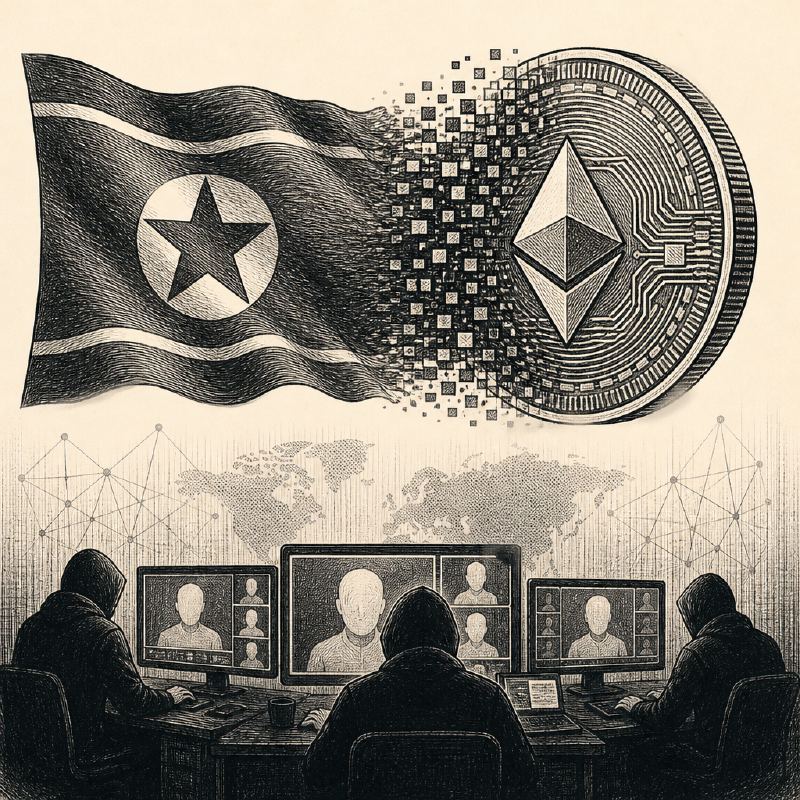
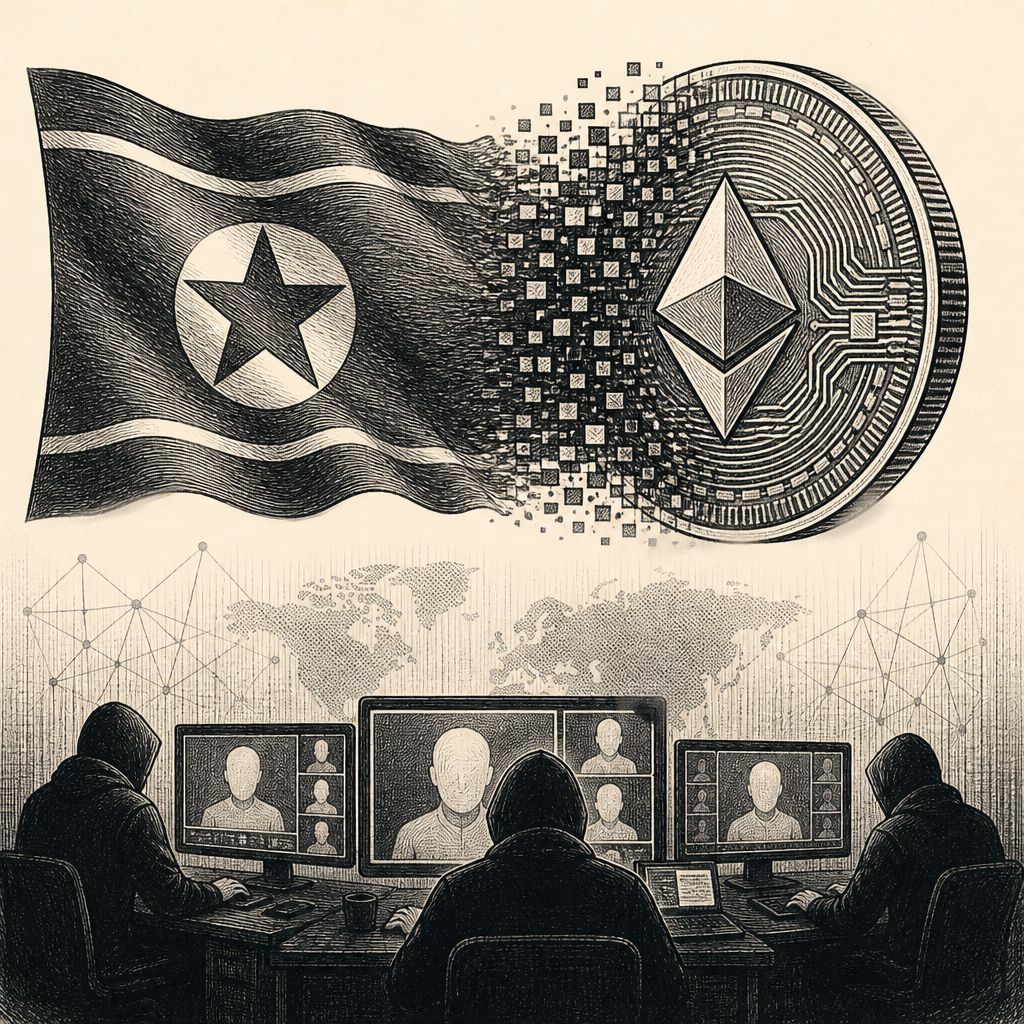
U.S. law enforcement has successfully disrupted the cloud infrastructure utilized by North Korean financially motivated hackers in a novel deepfake fraud scheme that propagated from one victim to the next. The social engineering campaign, identified by the FBI as "FaceStealer," is attributed to a Pyongyang-aligned group known as BlueNoroff, also tracked as Sapphire Sleet or Stardust Chollima. This group has been actively targeting the cryptocurrency and Web3 industries, amassing at least $400 million in cryptocurrency through a combination of malware and sophisticated artificial intelligence-powered lures over the past 18 months.
This operation highlights the increasing sophistication and adaptability of North Korean cyber threats. According to FBI Cyber Branch Operations Director Brett Leatherman, "North Korean hackers are increasingly blending cyber intrusion, social engineering, and emerging technologies such as deepfakes to make their impersonation efforts more convincing and scalable." The FBI noted that while this cryptocurrency theft campaign and the TraderTraitor group behind the Binance attack share the common goal of funneling stolen cryptocurrency to the North Korean regime, they are distinct operations with separate threat actors.
The FaceStealer attackers initiate their scheme by contacting a previously compromised victim's associate, often proposing a catch-up or discussion via Zoom or Teams. However, the provided calendar invite link is typically typosquatted, redirecting the victim to an attacker-controlled video conference platform designed to mimic legitimate applications. This initial deception sets the stage for the more advanced social engineering tactics.
During the fraudulent video calls, attackers employ AI-generated deepfakes to enhance the believability of their impersonations. They often play recordings of someone the victim knows, captured from earlier compromised calls, and feign technical difficulties. This ruse is used to prompt the victim to click a malicious link, ostensibly to update their device or software, which in reality downloads malware.
Once the malware is installed, it actively scans the victim's device for sensitive information, including cryptocurrency wallet credentials and seed phrases. Furthermore, it gains access to the victim's social media accounts and contact lists, and crucially, begins secretly recording the victim's webcam. These recorded webcam feeds are then reused in subsequent attacks, perpetuating the worm-like propagation of the fraud.
The cycle continues as the next victim receives a communication from someone they know, who appears to be struggling with a technical issue, mirroring the experience of the previous victim. This creates a sense of familiarity and urgency, making the subsequent deception more effective. The FBI reported seizing over 900 victim webcam videos from the threat actor's cloud storage, underscoring the scale of the operation and the reuse of compromised assets.
The FBI has established a dedicated website for potential victims to come forward and report their experiences, as the current estimate of financial losses is based only on identified victims. While Leatherman acknowledged the possibility of tool-sharing among North Korean nation-state actors, he stated the FBI does not have direct information linking the FaceStealer malware to the Binance hack, though both operations exhibit similar objectives and tactics.
This operation underscores the evolving threat landscape where AI and deepfake technology are being weaponized for financial gain. The FBI's successful disruption, in collaboration with industry partners like Arctic Wolf, JumpSec, and Microsoft Threat Intelligence Center, demonstrates the critical importance of public-private partnerships in combating sophisticated cybercrime.