
FBI and Allies Warn of North Korean IT Workers Infiltrating Companies with Stolen Identities
A joint advisory from the FBI and allied governments alerts organizations worldwide to North Korean IT workers using stolen identities and forged documents to secure remote contracts, financing Pyongyang's weapons programs and posing insider threats.
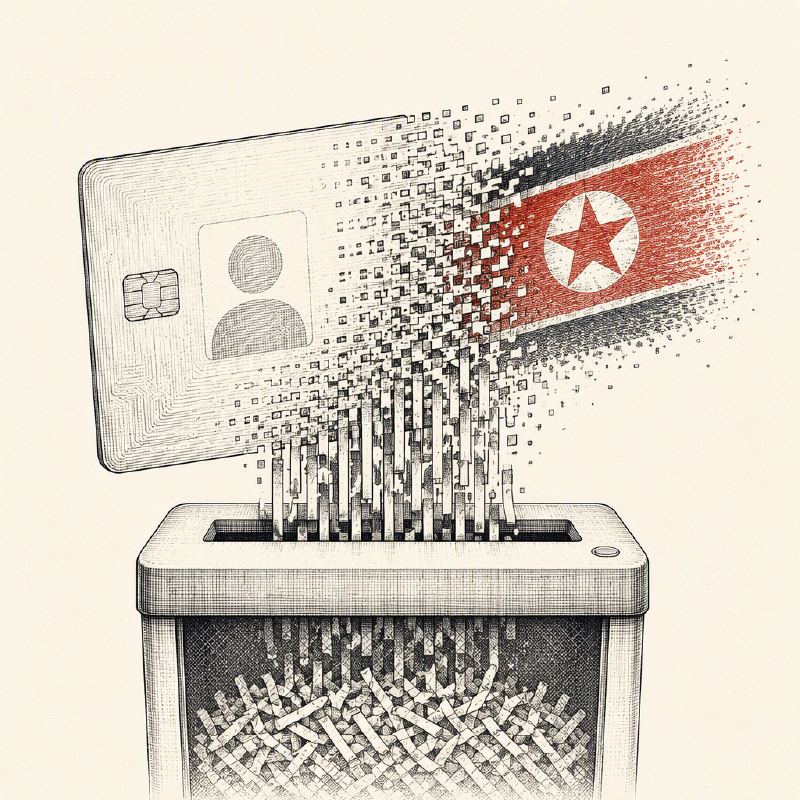
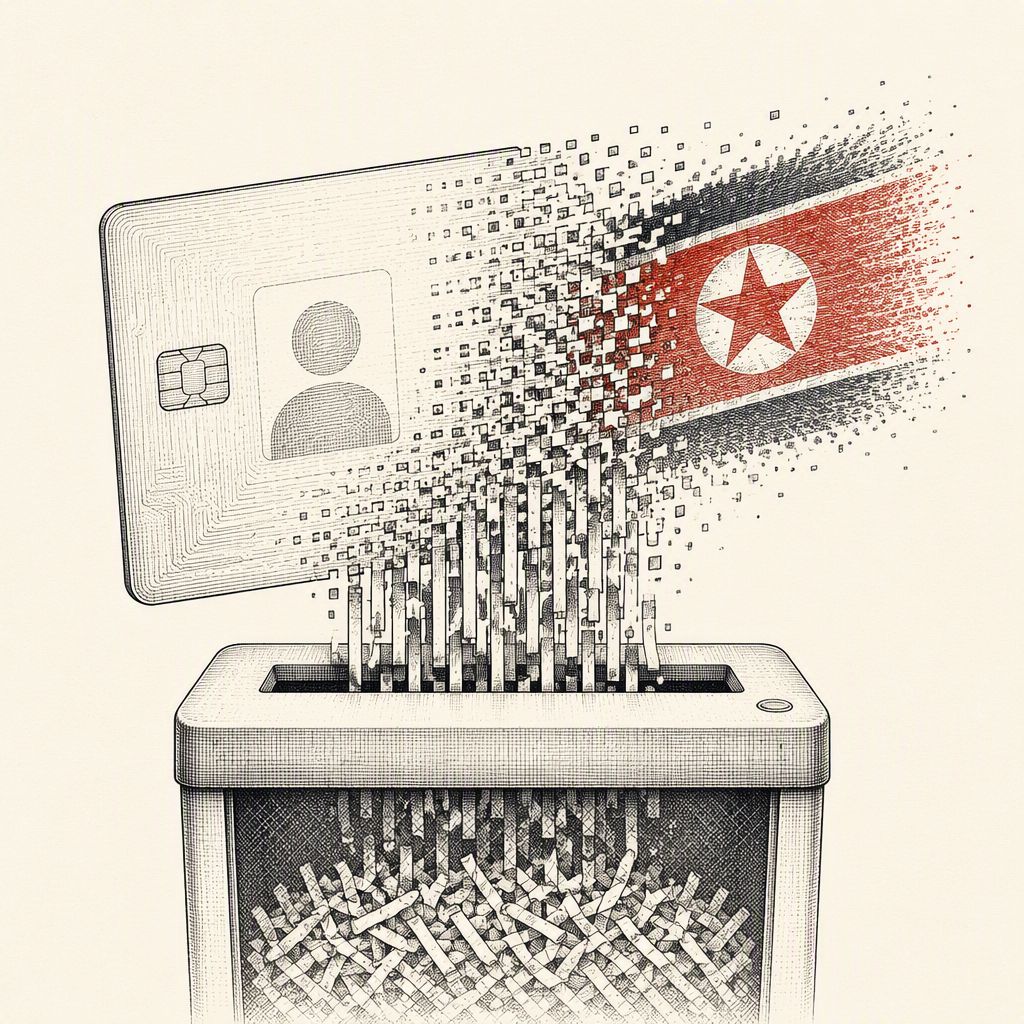
A coordinated alert from the FBI, U.S. State Department, and international partners including Japan, Canada, Germany, Australia, the United Kingdom, and the Republic of Korea has been issued, warning global companies about a sophisticated infiltration scheme orchestrated by North Korean information technology workers. These operatives are reportedly using stolen identities, forged documents, and extensive proxy networks to secure both freelance and full-time remote positions. The primary objective, according to the July 31, 2026 advisory, is to remit salaries back to Pyongyang, thereby directly financing the regime’s illicit nuclear weapons and ballistic missile development programs. Beyond funding these activities, the presence of these operatives within corporate networks poses significant insider threats, potentially leading to data exfiltration, theft of sensitive corporate information, and cryptocurrency misappropriation.
The modus operandi involves North Korean IT workers impersonating foreign nationals on various online employment, procurement, and contracting platforms. They establish accounts using falsified nationality details and meticulously forged identification documents, often sourced from third-party proxies residing in other countries. These proxies may handle interviews, establish direct contact, or even provide bank accounts to obscure the true identity and location of the North Korean operatives. A common red flag for hiring companies is the applicant's refusal of direct deposit in favor of money transfer services, cryptocurrency, or directing wages to a third-party account that subsequently routes funds overseas after deducting a commission. The seriousness of these facilitation schemes is underscored by the eight individuals already sentenced in 2026 for their involvement.
The advisory highlights an evolving and expanding toolkit employed by these operatives. Increasingly, artificial intelligence is leveraged to enhance worker profiles, generate convincing communications, and further mask their true identities. Many operate from locations such as North Korea, China, Russia, Southeast Asia, or Africa, employing VPNs, remote desktop software, and "laptop farms" to conceal their geographical origins. In the latter scenario, U.S.-based or other overseas facilitators maintain company-issued laptops, keeping them powered on to allow North Korean workers to log in remotely, thereby creating the illusion of working from a legitimate jurisdiction.
Beyond traditional software development roles in web development, mobile applications, and blockchain, some operatives are also involved in running fraudulent foreign-exchange trading systems they have developed to generate additional hard currency. Companies that unknowingly hire these individuals face substantial risks that extend beyond a poor hiring decision. Contracting with North Korean nationals and facilitating payments can constitute a violation of United Nations Security Council Resolution 2397 and domestic sanctions laws in various countries, including the United States, Japan, and South Korea, exposing firms to severe legal penalties and financial sanctions. The Financial Action Task Force continues to designate North Korea as a high-risk jurisdiction for proliferation financing, with IT worker revenue streams explicitly identified as a sanctions-evasion pathway.
The successful infiltration of corporate networks can result in the theft of critical assets such as source code, customer data, sensitive credentials, and valuable cryptocurrency holdings. To combat this pervasive threat, the joint alert strongly urges organizations to implement more rigorous identity verification and hiring controls. Key recommendations include a thorough review of identification documents, a preference for in-person or carefully scrutinized live video interviews, and the deployment of systems designed to flag anomalous account activity.
Specific indicators to watch for include frequent changes to names or bank details, mismatched names on payment accounts, multiple accounts sharing the same ID or IP address, forged or edited identity images, unusually long login sessions, and profiles containing noticeable translation errors. During video interviews, employers should be vigilant for mismatches between photo IDs and the individual on camera, manipulated or AI-generated video feeds, refusals to enable cameras, offers of below-market rates, signs that a single account is being operated by multiple individuals, and explicit demands for cryptocurrency payments.
Platform operators are also encouraged to enhance their user notification systems regarding suspicious entries and to strengthen their account monitoring tools. The advisory concludes by urging anyone who suspects they have encountered a North Korean IT worker scheme to report such activity promptly to the relevant national authorities. By combining enhanced identity checks, diligent video scrutiny, careful payment verification, and timely reporting, companies can significantly reduce their exposure to funding weapons programs, suffering data theft, or facing sanctions penalties associated with these sophisticated remote-worker fraud schemes.
This new report details a sophisticated sting operation where security researchers created a fake cryptocurrency startup to directly lure and monitor suspected North Korean IT workers. The operation, a sequel to a previous effort, involved issuing virtual machines to hires and meticulously recording all activity, providing deeper insights into the operatives' methods and tooling, including the use of specific remote access tools and AI-assisted job application software.
This new investigation provides granular detail on the methods employed by North Korean IT operatives, revealing their use of AI tools like Google Gemini for forging identities and ChatGPT for coding tasks. Researchers observed operatives gaining access via remote desktops and exfiltrating data using tools such as Google Remote Desktop and AstrillVPN, enabling long-term access to source code and deployment pipelines within a simulated company environment.