
Fake Voicemail SVG Attachments Fuel Large-Scale Phishing Campaign
A widespread phishing operation is using SVG files disguised as voicemails to evade email security, impacting thousands of organizations.
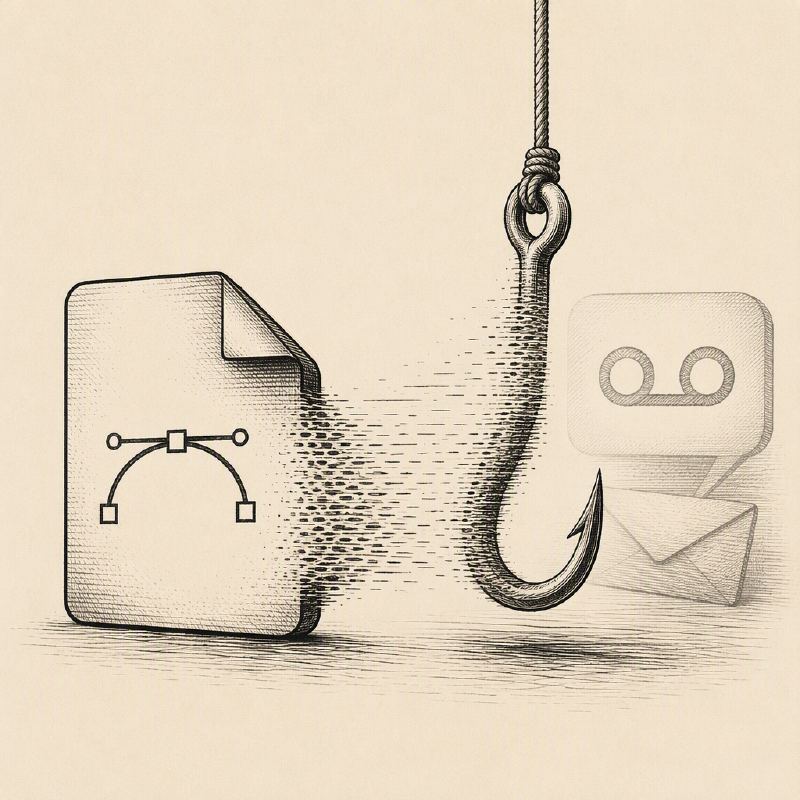
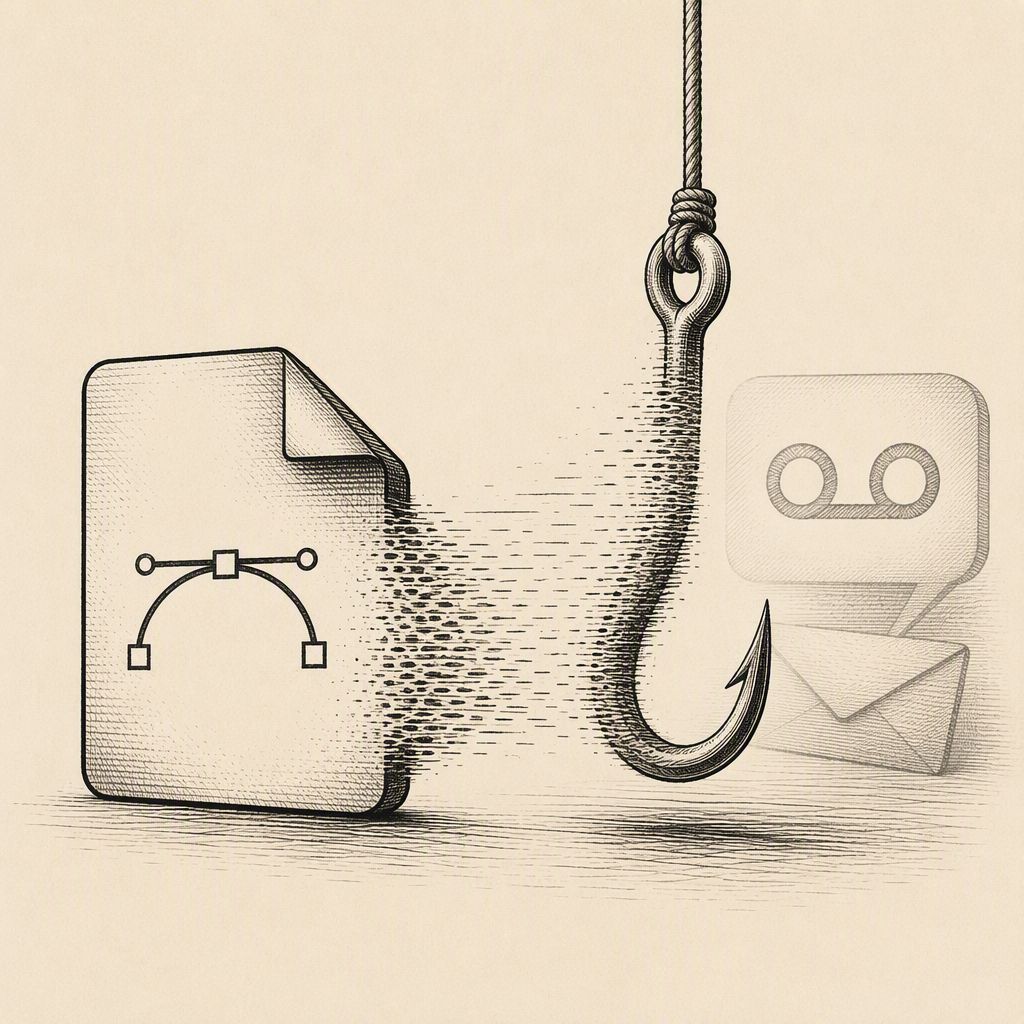
A significant phishing campaign is actively exploiting a novel attack vector by distributing malicious SVG (Scalable Vector Graphics) files disguised as voicemail notifications. This campaign has already impacted 5,527 organizations, with over 26,000 malicious messages identified.
The attackers leverage the inherent trust users place in voicemail alerts, a common communication method in professional environments. By embedding malicious code within SVG files, which are often rendered directly by web browsers or email clients, they aim to bypass traditional email security filters that might flag executable attachments or known malicious file types. SVG files, while primarily intended for graphics, can contain scripts and links, making them a versatile tool for social engineering.
Upon opening the SVG attachment, recipients are typically presented with a convincing fake login page or a prompt to download a "voicemail player." The ultimate goal is to trick users into revealing their login credentials, such as email account passwords or corporate network access tokens. The scale of the campaign suggests a well-resourced operation, potentially aiming for widespread credential harvesting that could lead to further network compromises or business email compromise (BEC) attacks.
While specific details on the payload or the exact exploitation mechanism within the SVG files are still emerging, the strategy highlights a growing trend of attackers moving beyond conventional phishing tactics. The use of seemingly innocuous image files to deliver malicious content poses a challenge for security solutions that rely on signature-based detection or strict file type filtering.
Security researchers are advising users to exercise extreme caution with unexpected email attachments, especially those purporting to be notifications from common communication services. Organizations are encouraged to review their email security gateway configurations to ensure they are adequately inspecting SVG content for malicious scripts and redirects. User awareness training remains a critical component in defending against such evolving threats.
The campaign's broad reach across thousands of organizations underscores the persistent threat of phishing and the need for continuous adaptation in defensive strategies. As attackers refine their methods, the cybersecurity community must remain vigilant in identifying and mitigating new attack vectors before they can cause widespread damage.