
Fake Sites Distribute Legitimate Remote Admin Tool to Hijack PCs
Attackers are impersonating popular brands like CNN, Avast, and Stremio, as well as a fake crypto-mining game, to trick users into downloading the legitimate O&O Syspectr remote administration tool.
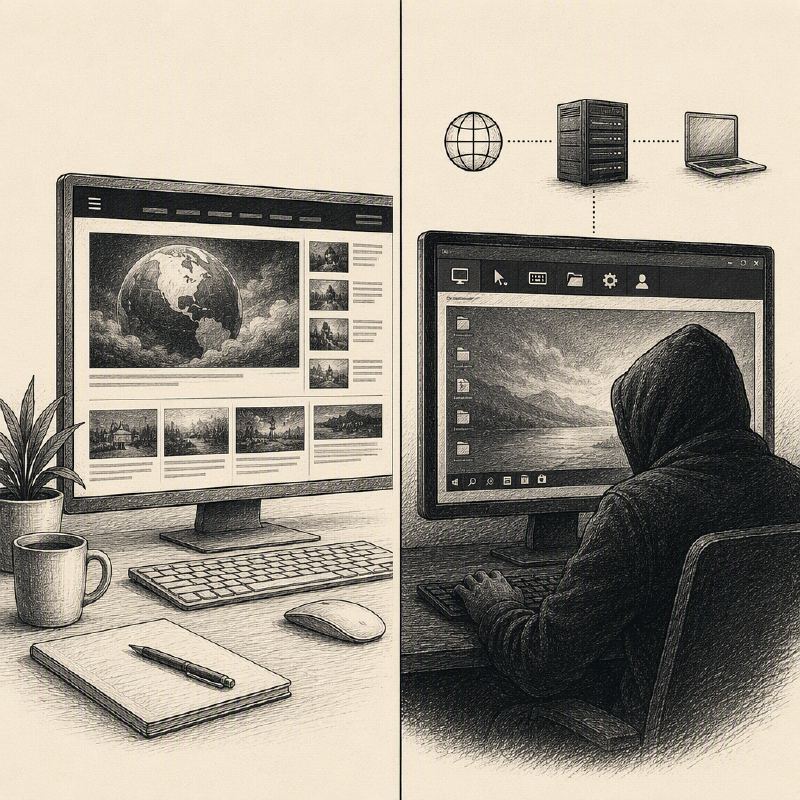
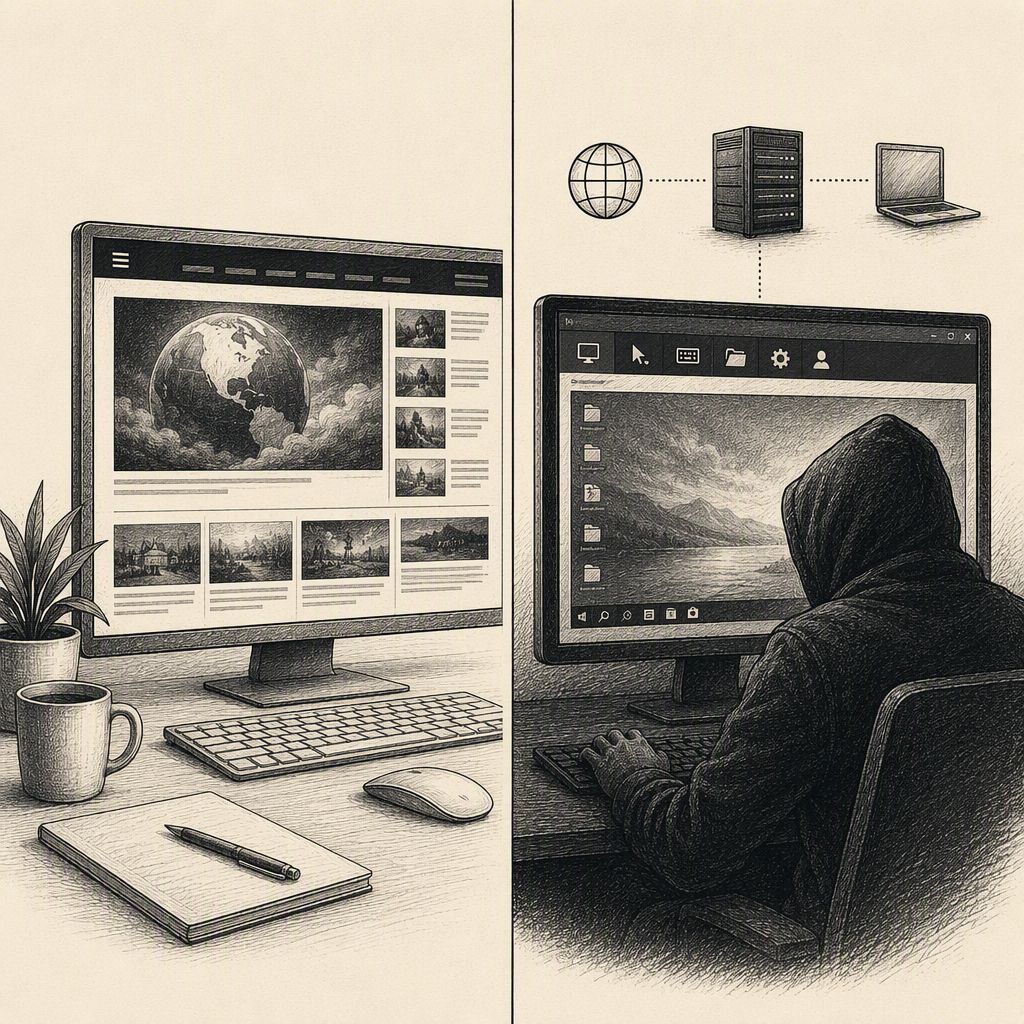
Cybercriminals are employing a sophisticated social engineering tactic, creating convincing fake websites that mimic well-known brands such as CNN, Avast, and Stremio. These fraudulent sites lure unsuspecting users with promises of legitimate software or app updates, such as a "new CNN app" or "Avast One." However, instead of providing the expected downloads, these sites distribute the O&O Syspectr remote administration tool, a legitimate and digitally signed piece of software.
The attackers leverage the trust associated with these brands to bypass user suspicion. The fake websites are designed to closely replicate the appearance of the official sites, including logos, headlines, and download buttons. When a user clicks on a download link, they are presented with an executable file that, despite its seemingly official branding, installs O&O Syspectr. This tool, when installed without the user's full knowledge or consent, grants attackers the ability to remotely access and control the victim's computer.
Beyond brand impersonation, the campaign also utilizes a fake crypto-mining browser game hosted on sites like syncminer[.]xyz and idleminer[.]pro. This lure promises faster payouts or enhanced mining capabilities through a "Download Miner Plugin." Similar to the brand impersonations, this download also leads to the installation of O&O Syspectr, albeit from a different attacker-controlled Syspectr account, indicating a broader campaign or multiple actors using the same playbook.
A key aspect of this campaign's effectiveness is its reliance on legitimate software. O&O Syspectr is a genuine remote management tool developed by O&O Software GmbH, used by IT professionals for system administration. Because the software is digitally signed and not inherently malicious, traditional antivirus solutions may fail to flag it as a threat. The attackers' strategy hinges on convincing users to willingly install a tool that, in their hands, becomes a powerful means of remote compromise.
Victims who fall for these lures gain attackers remote access to their PCs. This access allows threat actors to execute commands, install additional malicious software, browse sensitive files and data, and potentially exfiltrate information. The severity of the compromise depends on the attacker's intent and the level of access granted by the Syspectr subscription tier, with premium versions offering more extensive control features.
O&O Software GmbH has responded swiftly to the misuse of their product. The company has taken action to disable Remote Desktop and Remote Console access for free Syspectr accounts, restricting these capabilities to paid plans only. This move aims to mitigate the tool's utility for malicious actors who rely on these advanced features for remote control.
Users can protect themselves by exercising caution when downloading software, especially from unfamiliar sources or when prompted by unexpected pop-ups. A simple check on Windows involves right-clicking an installer file, selecting 'Properties,' and examining the 'Details' tab. Fields like 'File description' and 'Product name' will reveal the true identity of the software, such as 'O&O Syspectr,' even if the filename has been altered. This quick verification step can expose the deceptive nature of these installers before they are executed.
The campaign highlights a growing trend where attackers leverage legitimate tools and sophisticated social engineering to achieve their objectives, often bypassing traditional security measures. The use of O&O Syspectr underscores the importance of user education and vigilance in identifying and avoiding deceptive download schemes.