
Fake Biotech Conference Used by TA586 to Distribute Malware
Cybercriminals are leveraging a sophisticated social engineering campaign centered around a fake biotech conference in Boston to lure victims into installing malware.
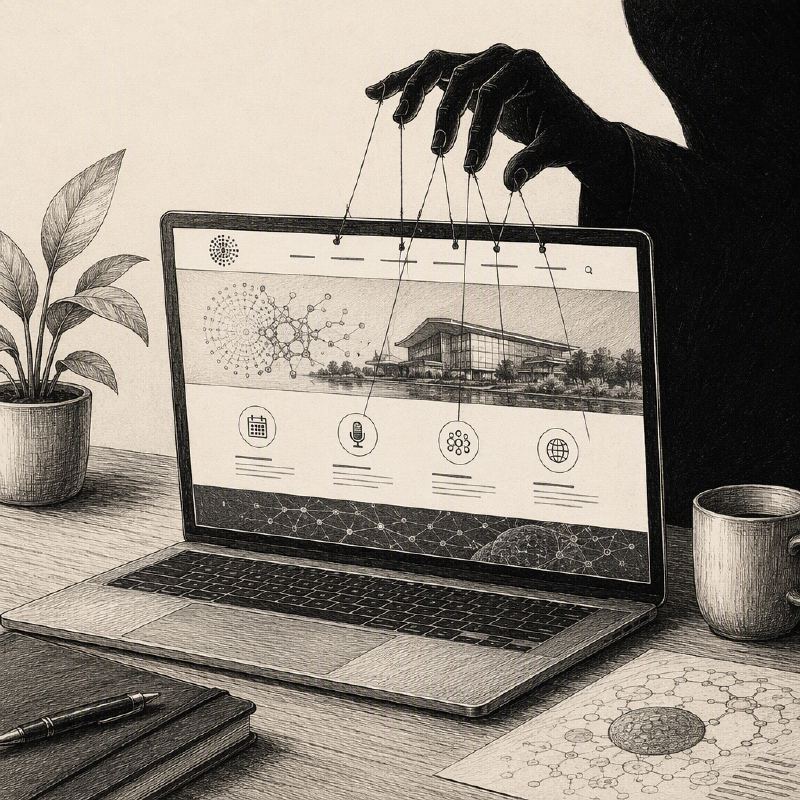
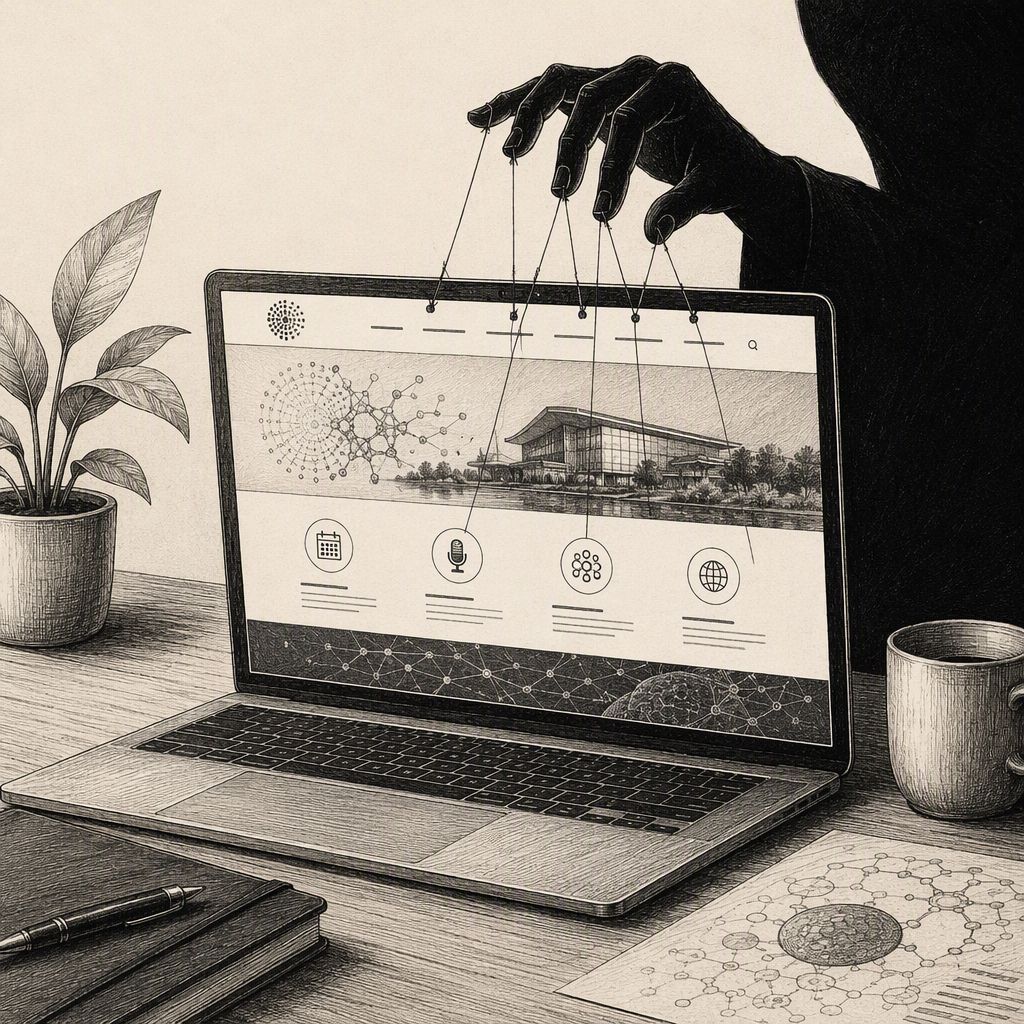
Security researchers at Proofpoint have uncovered a new social engineering campaign orchestrated by a threat actor group known as TA586. The campaign utilizes a meticulously crafted website for a fictitious biotechnology conference, dubbed 'BioTold,' to lend an air of legitimacy to fraudulent invitations sent to potential speakers.
The BioTold conference website, which falsely claimed to be held in Boston, was designed to appear professional and credible. It featured details about the event, including dates, a venue at the Omni Hotel, and even a purported keynote speaker, Dr. George Church, a well-known geneticist from Harvard Medical School. This elaborate facade was intended to entice individuals by offering them a professional speaking opportunity, thereby lowering their guard against malicious intent.
According to Proofpoint threat researcher Selena Larson, the campaign's success hinges on exploiting human trust and enthusiasm for professional advancement rather than technical vulnerabilities. Recipients of the spoofed invitations are contacted via email and invited to participate. If they engage with the initial contact, the threat actor may then follow up with personalized malicious links, which, if clicked, can lead to the installation of malware on the victim's system.
Proofpoint's analysis revealed that the BioTold domain was first observed in their telemetry in June 2026, sending similar fraudulent event invitations. Renewed activity involving the domain was noted in recent weeks, prompting the investigation. While the infrastructure is confidently associated with TA586, the real-world identity and operational structure of the group remain unknown.
TA586 has a history of acting as an initial access broker for ransomware operations. Malware distributed through TA586's campaigns has been observed being used by ransomware operators as part of a larger criminal ecosystem. Proofpoint also noted potential overlaps between TA586 and a group previously identified by Check Point as 'ZipLine,' which employed unique social engineering tactics, including initiating contact through a victim's own website 'Contact Us' form.
Key indicators of TA586's involvement in this campaign include the creation of a professional-looking website, the use of personalized malicious URLs or ZIP file downloads in follow-up emails, and the registration of a new domain with minimal legitimate online history. The group's heavy reliance on social engineering, rather than technical exploits, is a hallmark of their operations.
This tactic of using seemingly benign lures, such as speaking invitations, conference opportunities, or job offers, is becoming increasingly popular among threat actors. These lures generate excitement and reduce skepticism, making victims more susceptible to engaging with malicious content. The elaborate nature of the BioTold website underscores the evolving sophistication of social engineering attacks aimed at compromising individuals and organizations.
The Omni Hotel in Boston confirmed receiving numerous inquiries about the fake conference, highlighting the campaign's reach and the effectiveness of its deceptive elements. The incident serves as a stark reminder for professionals to exercise caution and verify the legitimacy of unsolicited professional opportunities, especially those that appear too good to be true.