
Fake AI Tools Used to Distribute Malware and Steal Credentials
Threat actors are impersonating popular AI products to spread malware and steal sensitive information, targeting US businesses and increasing pressure on MSSPs.
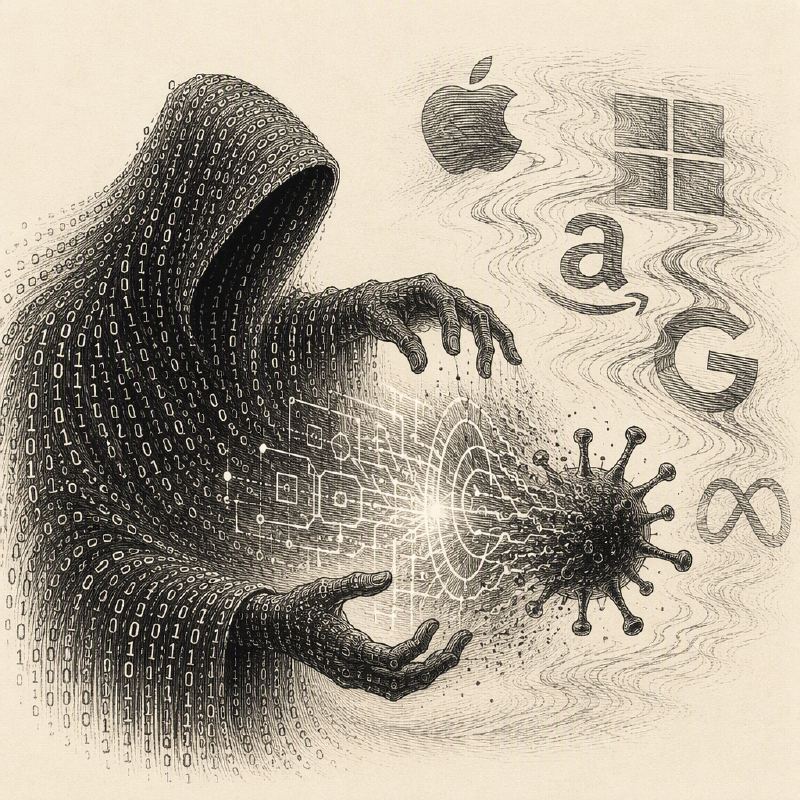

Cybercriminals are increasingly leveraging the hype around artificial intelligence to conduct malicious campaigns, impersonating popular AI tools to distribute malware and pilfer user credentials. Security researchers at ANY.RUN have observed a significant surge in these deceptive activities, linking 1,258 public sandbox analyses to fake AI campaigns between April and October 2026.
These attacks often involve creating fake websites or applications that mimic legitimate AI services, such as chatbots or productivity tools. Once users are tricked into downloading or interacting with these malicious imitations, they can inadvertently install malware, grant access to sensitive browser sessions, or compromise business accounts. The primary goal appears to be credential harvesting and the potential for further network infiltration.
The rise in these fake AI campaigns is also placing additional operational pressure on Managed Security Service Providers (MSSPs). According to the ANY.RUN report, US businesses were the target in 16% of country-attributed campaigns, indicating a focused effort by threat actors to compromise organizations within the United States, likely through their trusted MSSP partners.
While the specific malware families and attack vectors vary, the common thread is the exploitation of user trust in emerging AI technologies. Attackers are capitalizing on the widespread adoption and interest in AI tools, knowing that many users may be less cautious when interacting with what they believe to be legitimate and advanced software.
The implications for businesses are substantial. Compromised credentials can lead to unauthorized access to corporate networks, data breaches, and significant financial losses. For MSSPs, this trend necessitates enhanced vigilance and updated detection strategies to identify and neutralize these AI-themed threats before they can cause damage.
This trend highlights a broader pattern of threat actors adapting their tactics to exploit new technologies and public interest. As AI continues to evolve and integrate into business operations, it is becoming a prime target for malicious actors seeking novel ways to bypass traditional security measures and exploit human psychology.
Organizations and MSSPs alike must prioritize user education on identifying fake AI applications and reinforce security protocols to mitigate the risks associated with these evolving threats. Vigilance in verifying software sources and implementing robust endpoint detection and response (EDR) solutions are crucial steps in defending against these sophisticated impersonation attacks.