
FAA Outage Highlights Critical Network Change Management Risks
A nationwide FAA ground stop, caused by a network change management failure, underscores the risks of legacy systems, inadequate testing, and poor rollback planning.
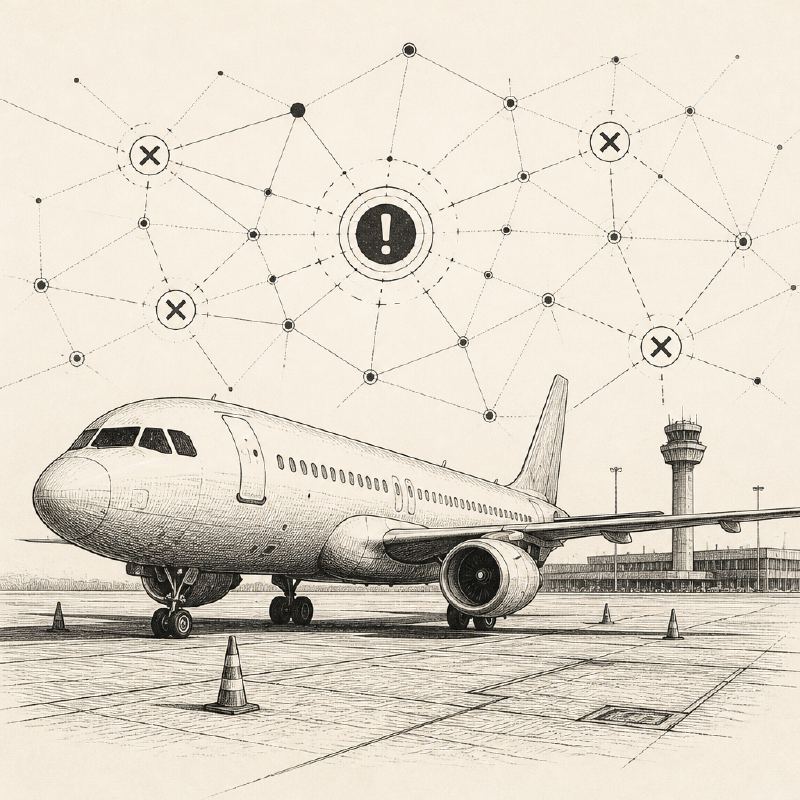
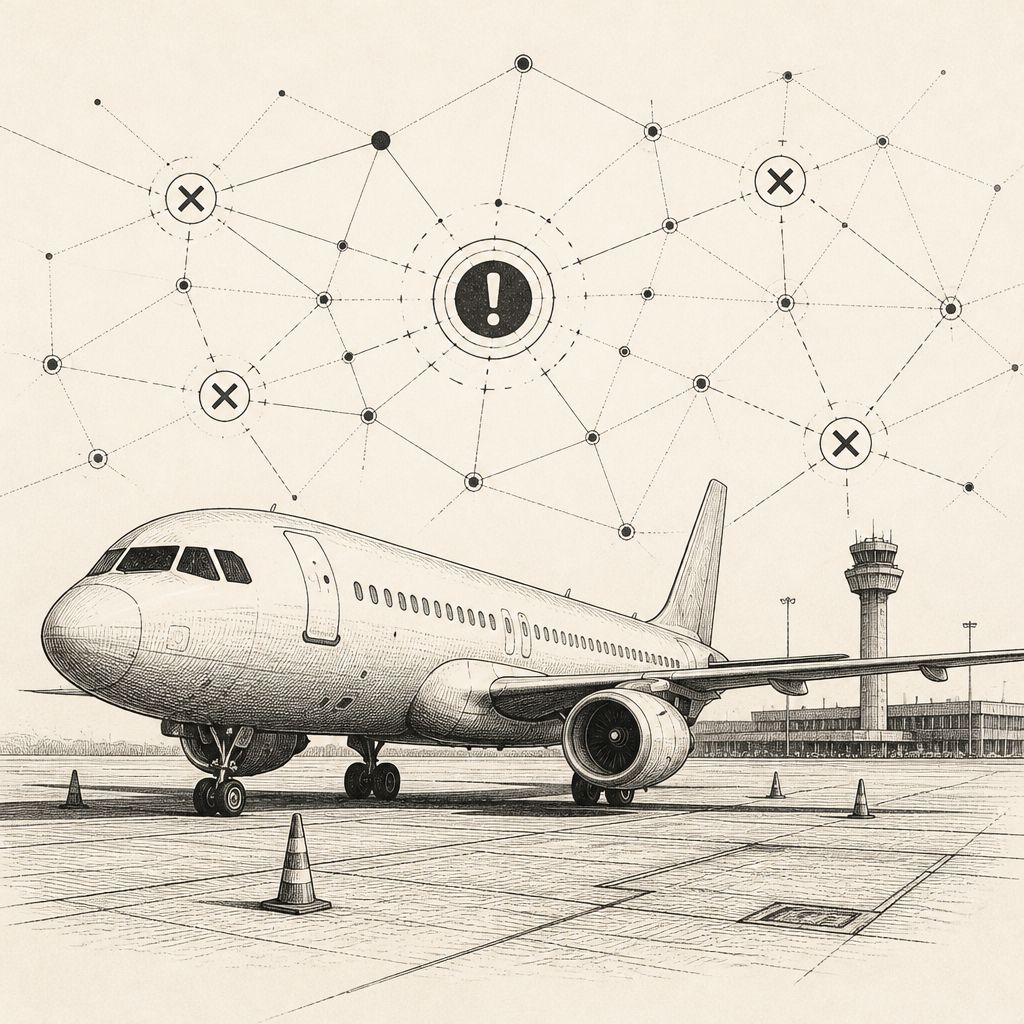
The Federal Aviation Administration's (FAA) recent nationwide ground stop, which grounded thousands of flights, has brought critical network change management practices under intense scrutiny. Experts point to a confluence of factors, including reliance on legacy systems, insufficient testing protocols, and a lack of robust rollback planning, as the primary drivers behind the widespread disruption.
Brian McGahan, co-founder and director of networking content at INE, emphasized that the issue appears to be more rooted in planning failures than in the technical complexity of the network itself. He stressed the importance of rigorous staged testing, conducting maintenance during off-hours, and meticulously pre-planning rollback procedures before any changes are implemented on production systems. McGahan advocates for modeling changes against a physical replica of the infrastructure whenever feasible, particularly for systems supporting life-safety operations.
Sean D. Mack, managing director of ISMG's CXO Advisory Practice, noted that this incident follows a series of IT change-related disruptions at major technology firms like Microsoft, JPMorgan Chase, and Apple. This pattern highlights a broader organizational challenge: the failure to assess the full 'blast radius' of any network change, extending beyond the immediate location of the work. Both McGahan and Mack warned that the current industry trends of accelerated patching, staffing reductions, and aging infrastructure can significantly compound operational risks.
"When you say, 'Let's do it quickly,' you're increasing your risk," Mack stated, underscoring the tension between the drive for rapid deployment and the imperative for stability. The FAA incident serves as a stark reminder that even seemingly routine network upgrades can have cascading, nationwide consequences when not managed with extreme diligence.
Further complicating matters, McGahan and Mack discussed in an ISMG video interview how factors such as artificial intelligence-driven development, accelerated patching cycles, and the loss of experienced personnel can collectively increase the likelihood of significant outages. The FAA's reliance on older systems, coupled with potential gaps in its change management framework, created a fragile environment where a single misstep could lead to catastrophic failure.
The incident also raises questions about the resilience of critical infrastructure in the face of evolving technological landscapes and increasing operational pressures. The need for organizations to invest in modernizing their infrastructure, enhancing their change management processes, and fostering a culture of thorough risk assessment has never been more apparent.
Moving forward, organizations across all sectors, especially those managing critical infrastructure, must re-evaluate their approach to network changes. This includes adopting more sophisticated testing methodologies, ensuring comprehensive rollback strategies are in place, and fostering a deeper understanding of interdependencies within complex network environments. The FAA outage is a costly lesson in the fundamental principles of network engineering and operational risk management.
Ultimately, the FAA ground stop is a potent case study illustrating that robust network change management is not merely a technical checklist but a strategic imperative for maintaining operational continuity and public trust. The lessons learned from this event are applicable far beyond the aviation sector, serving as a critical warning for any organization managing complex, interconnected systems.