
Exposed Hacker Servers Reveal Stolen Hospital Credentials, Cloud Access, and Law Firm Targets
An investigation into exposed attacker infrastructure has uncovered a trove of stolen U.S. hospital credentials, access to a manufacturer's cloud storage, and intelligence on law firm targets.
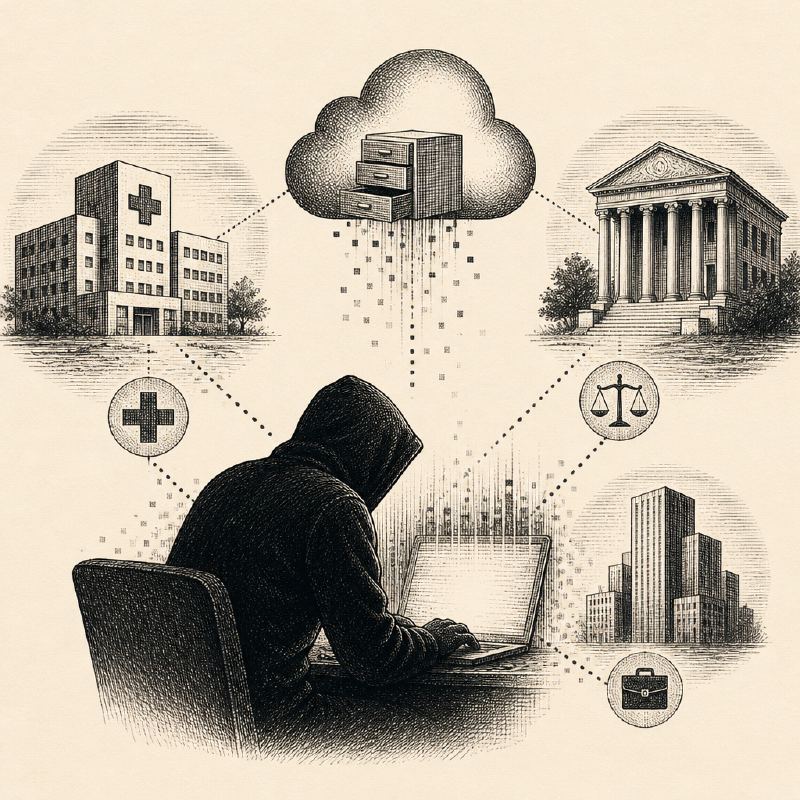
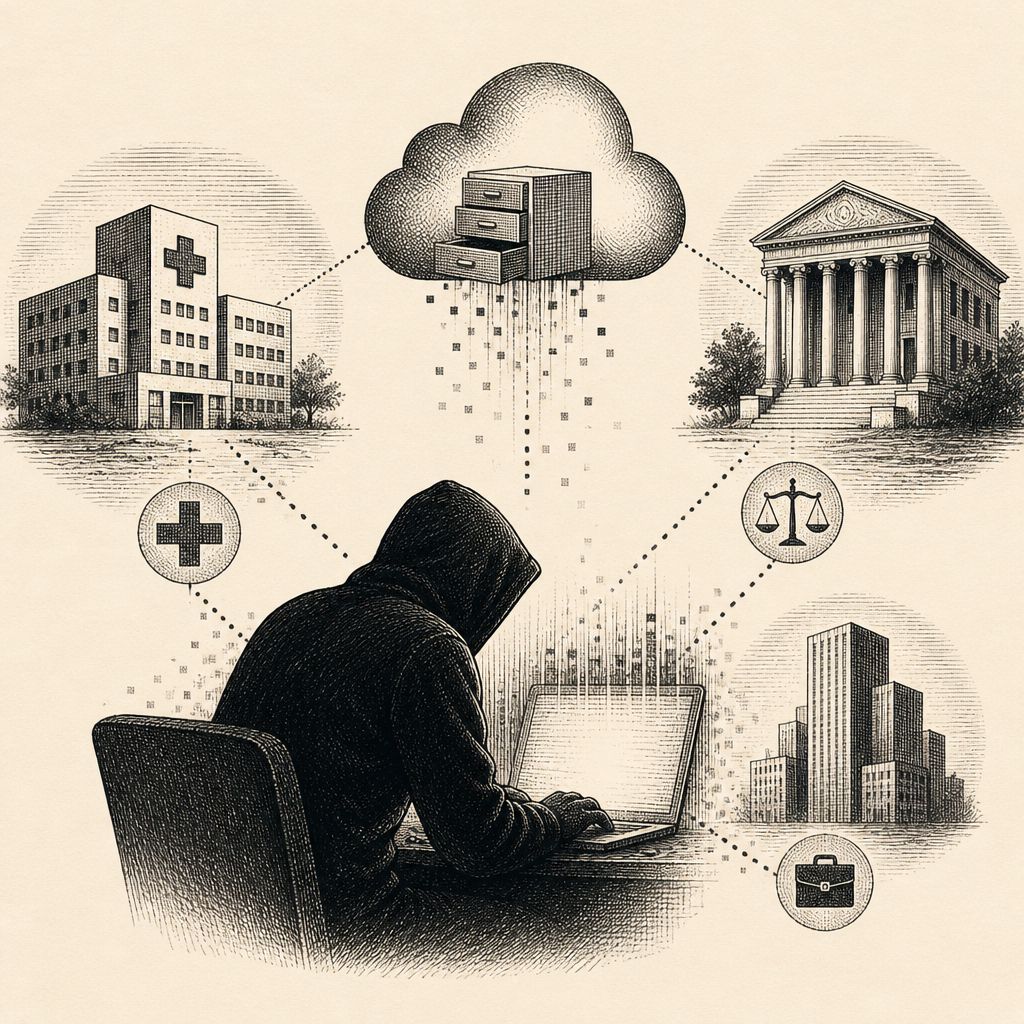
Three exposed web directories, identified by Hunt.io, have provided a rare glimpse into the operational infrastructure of an intrusion crew. The findings include a significant collection of U.S. hospital credentials, access to a manufacturer's cloud storage containing over 155,000 objects, and detailed targeting information for U.S. law firms. While the directories did not confirm successful breaches into law firms or federal agencies, they contained malware samples and logs indicating the attackers' methods and targets.
The recovered files, totaling 2,115 with 1,981 distinct hashes, included scan results, attack logs, and copies of malware. Hunt.io researchers identified a malicious Java database driver, an Apollo-derived Windows payload, and a Poseidon-derived Linux implant. The analysis separated the malware's capabilities from the operators' confirmed actions, with the findings being reported to CISA for coordination with affected organizations.
Within the healthcare sector, the exposed data comprised 8,460 unique hospital email addresses and a separate set of 3,570 authentication records. While the exact origin of these authentication records remains unclear, researchers noted the presence of a hospital VPN session log, though it could not be definitively linked to the credential dump or confirm any exfiltration of patient data.
The manufacturer's cloud storage provided more concrete evidence of unauthorized access. Attackers utilized a valid Azure shared access signature (SAS) token to list 155,568 objects, including a QuickBooks company file. This discovery underscores the risk posed by exposed cloud credentials, as even a directory listing can reveal sensitive information about a company's data organization and stored assets, irrespective of whether files were downloaded.
In the legal sector, the intrusion crew compiled a target list of 563 unique entries and conducted scans revealing live VPNs, Citrix gateways, and client portals at over 60 law firms. The crew also attempted credential stuffing attacks against two law firms' Citrix gateways using credentials from a third-party leak, though these attempts were unsuccessful. The broader scans also encompassed federal agencies like the Small Business Administration and National Science Foundation, but no evidence of successful access was found.
The recovered malware samples included a Java archive masquerading as a database driver, capable of executing code. Logs indicated the use of an Apollo-derived Windows executable, though its connection to operators was unconfirmed. A Linux implant was also found, linked to the Mythic command-and-control framework. Notably, the attackers' environment contained AI coding tools and scripts indexing credentials for AI services, suggesting an interest in leveraging AI for reconnaissance, though direct use in intrusions was not confirmed.
Hunt.io recommends that defenders review VPN authentication logs for suspicious activity, monitor Azure storage logs for unusual access patterns, and audit Java application inventories for unauthorized database drivers. They also advise scrutinizing token permissions and revoking or rotating any suspected exposed tokens. The researchers emphasized treating infrastructure matches as leads for verification rather than definitive proof of compromise, as IP addresses can change hands and port numbers alone do not confirm malicious activity.
Indicators of compromise (IoCs) provided include specific file hashes for the identified malware, IP addresses associated with the attacker infrastructure, and network ports used for command and control. These details are crucial for organizations to detect and defend against similar ongoing or future attacks.