
Exploit Released for Unpatched Ubuntu Linux Kernel Flaw Enabling Container Escape
A critical use-after-free vulnerability in the Linux kernel's AF_UNIX socket subsystem, CVE-2026-80521, has a proof-of-concept exploit available, allowing container escape and host root compromise.
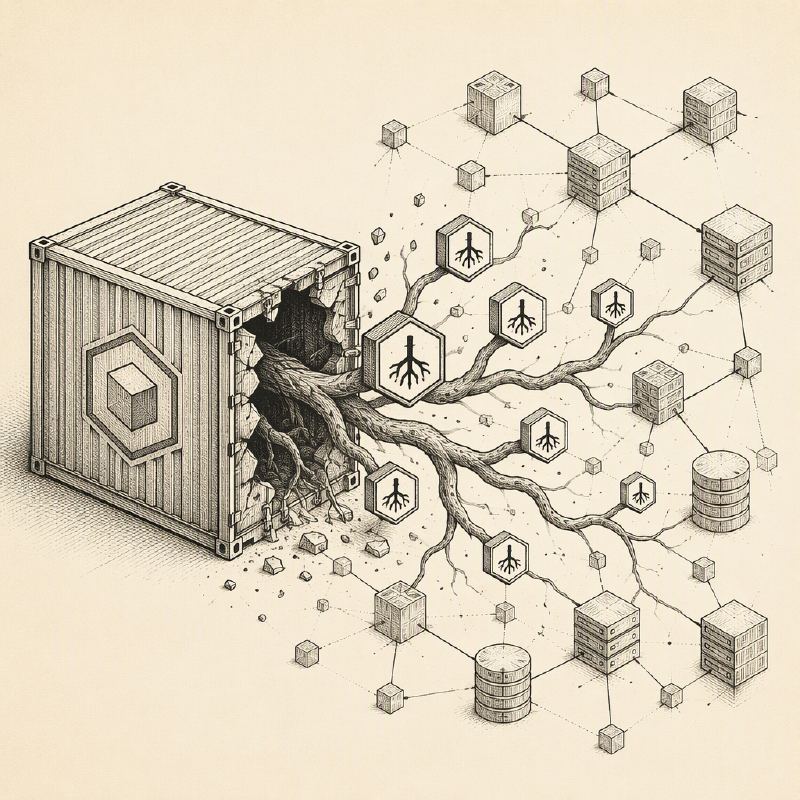
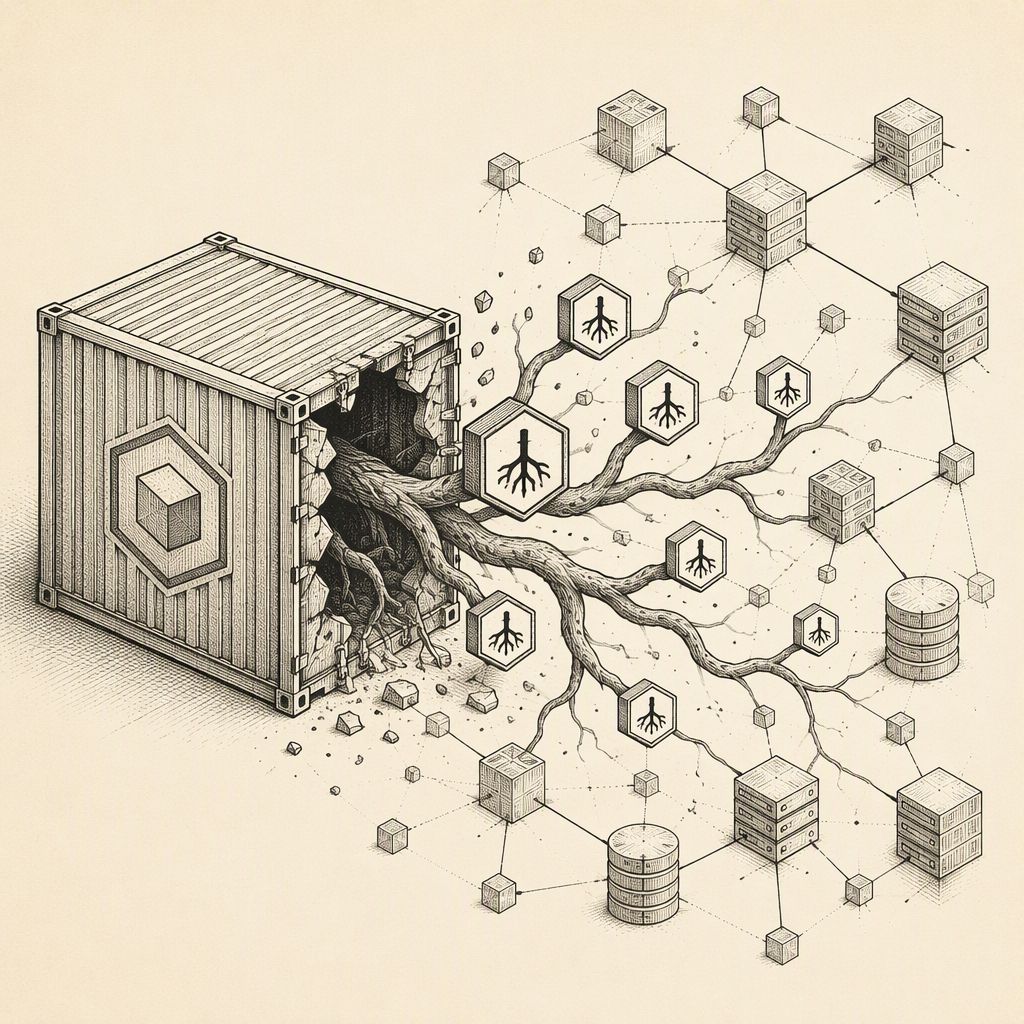
A critical vulnerability in the Linux kernel's AF_UNIX socket subsystem, tracked as CVE-2026-80521, has a proof-of-concept exploit available, enabling attackers to escape containerized environments and gain root privileges on the host system. Security firm DepthFirst disclosed the flaw, which carries a CVSS score of 7.8, on September 22. While the vulnerability was patched upstream in the Linux kernel on August 6, it remains unaddressed in several long-term support (LTS) releases of Ubuntu, including versions 26.04, 24.04, and 22.04.
The vulnerability resides within the kernel's garbage collector for AF_UNIX sockets, which handles local inter-process communication. This mechanism is permitted by default in common containerization technologies like Docker and Kubernetes seccomp profiles, making it an accessible attack vector from within a container. The flaw stems from a race condition where the garbage collector might free memory before new references to it are properly queued, leading to a pointer that accesses freed memory in subsequent collection passes.
Exploitation of CVE-2026-80521 is particularly concerning because it bypasses standard container security mechanisms. Since the exploit leverages ordinary system calls that are allowed within containers, it effectively circumvents namespace isolation, cgroup limits, and seccomp filtering. This allows an attacker with initial access to a container to escalate privileges to the host's root user, compromising the entire system.
Ubuntu's security tracker currently lists the Linux package on version 26.04 as "vulnerable, work in progress," indicating that a fix is being developed but has not yet been deployed. The vulnerability also affects the 24.04 and 22.04 LTS releases through newer kernel packages, including those used in cloud environments such as AWS, Azure, and GCP. As of the disclosure, no distribution-specific patch has been released for any of these affected Ubuntu versions.
While the vulnerability is not yet listed on CISA's Known Exploited Vulnerabilities (KEV) catalog and no confirmed real-world attacks have been reported, the availability of exploit code significantly raises the risk. Organizations running vulnerable Ubuntu systems are advised to consider applying the upstream kernel patch directly if possible. DepthFirst also recommends a temporary mitigation strategy: moving untrusted workloads to microVM isolation solutions like Firecracker or Kata Containers, which provide each workload with its own kernel, thereby isolating it from the host kernel.
The discovery of CVE-2026-80521 highlights the growing trend of AI-assisted vulnerability research. DepthFirst stated that its AI model, dfs-large1, played a role in finding the flaw, alongside human-driven testing. The company also noted that a researcher from OpenAI independently reported a similar bug, with the CVE commit crediting Kyle Zeng. This disclosure follows a pattern of recent Linux kernel flaws that enable container escapes, many of which have also been identified through AI-assisted research.
DepthFirst argues that the increasing ease of discovering container escape vulnerabilities, partly due to AI, should prompt organizations to re-evaluate their reliance on containers as a primary security boundary. The company suggests that the barrier to exploiting kernel-level flaws for container escapes has fallen to a point where such attacks should be considered a persistent threat. With nearly 5,700 Linux kernel CVEs published in 2026, the volume and sophistication of discovered vulnerabilities underscore this concern.