
Experimenter Fakes Data Trail to Test Surveillance Pricing Tactics
A video journalist created a new consumer persona, complete with an LLC and a drone-assisted purchase, to investigate how companies use data to dynamically adjust prices.
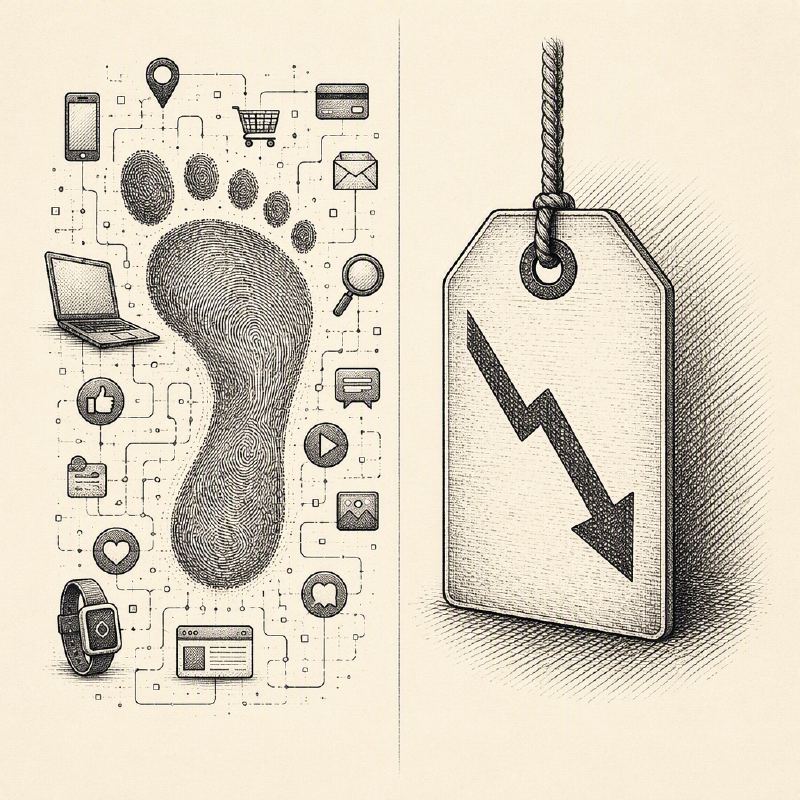
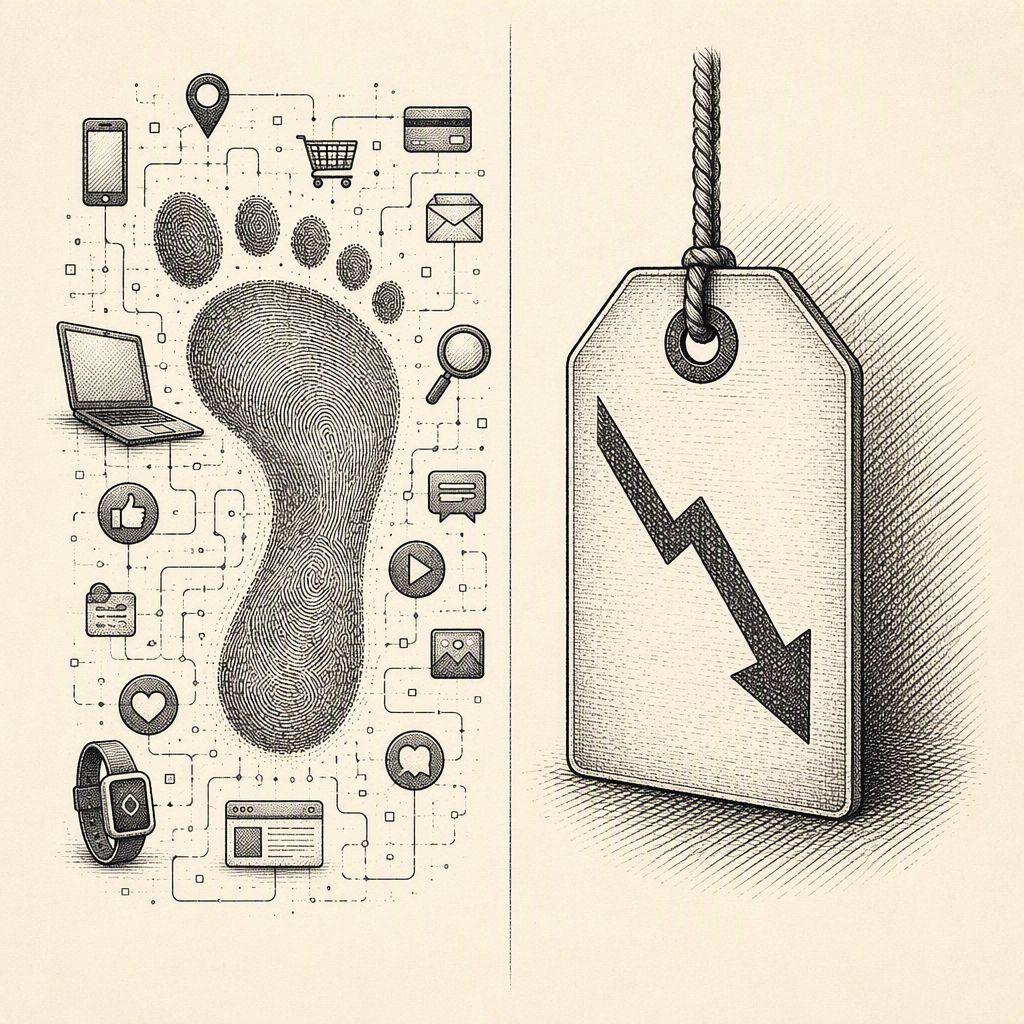
The practice of surveillance pricing, where companies collect extensive consumer data to dynamically alter prices for the same goods, has been a growing concern. Historically, this has manifested in various ways: Orbitz reportedly showed Mac users higher hotel prices, Staples.com displayed inflated prices to customers living farther from competitors, and The Princeton Review allegedly charged different prices for test prep courses based on zip codes, with concerning racial disparities noted.
These instances highlight a system where personal data—such as device preference, location, or even perceived ethnicity—can directly influence the cost of products and services. The dynamic nature of this pricing means that the price a consumer sees can fluctuate based on their digital footprint, creating an opaque and potentially unfair market. This practice has also been observed in retail, with reports of Target app users seeing different television prices based on their physical location within a parking lot, and Home Depot customers in affluent areas paying less.
While the concept of surveillance pricing is well-documented, testing its efficacy and the impact of manipulating one's data trail has been challenging. Many online claims suggest that simple measures like using a VPN or shopping from a public computer can lead to lower prices, but empirical evidence has often been scarce.
To address this gap, video journalist Chris Parr, known on YouTube as Chris the Producer, embarked on a comprehensive experiment. Instead of merely altering his IP address, Parr established a completely new consumer identity. This involved registering a Limited Liability Company (LLC) in Wyoming, obtaining a dedicated credit card, and securing a phone number for this new persona.
Parr's experiment went beyond standard digital manipulations. He hired an actor to help create a realistic data trail for his fictional LLC. A particularly audacious element of his test involved using a drone to make a purchase. By flying a drone carrying a phone over his home state's wealthiest neighborhood, Parr aimed to simulate a purchase occurring in a high-value location without physically being there, thus testing how geolocation data alone influences pricing.
"To the data collectors, they don't know that this phone is floating in the air, like 200 feet in the air," Parr explained on the Lock and Code podcast. "They just see a geolocation on it." This method allowed him to stress-test the surveillance pricing systems by presenting them with an unusual, yet data-rich, scenario.
The experiment, detailed further on the Lock and Code podcast with host David Ruiz, sought to determine if such elaborate data manipulation could indeed lead to tangible price reductions. The findings from Parr's rigorous approach offer valuable insights into the mechanisms and potential vulnerabilities of modern surveillance pricing strategies.
This investigation into surveillance pricing is particularly relevant in an era of increasing data collection and AI-driven personalization. Understanding how companies leverage consumer data to set prices is crucial for consumers seeking transparency and fairness in the marketplace. Parr's experiment provides a unique, real-world perspective on these complex dynamics.