
EvilTokens Phishing Persists Post-Takedown, Exploiting Microsoft 365 OAuth Flow
Despite Microsoft's takedown and arrests, the EvilTokens phishing kit continues to compromise Microsoft 365 accounts by abusing the OAuth device code flow, enabling attackers to steal access and refresh tokens.
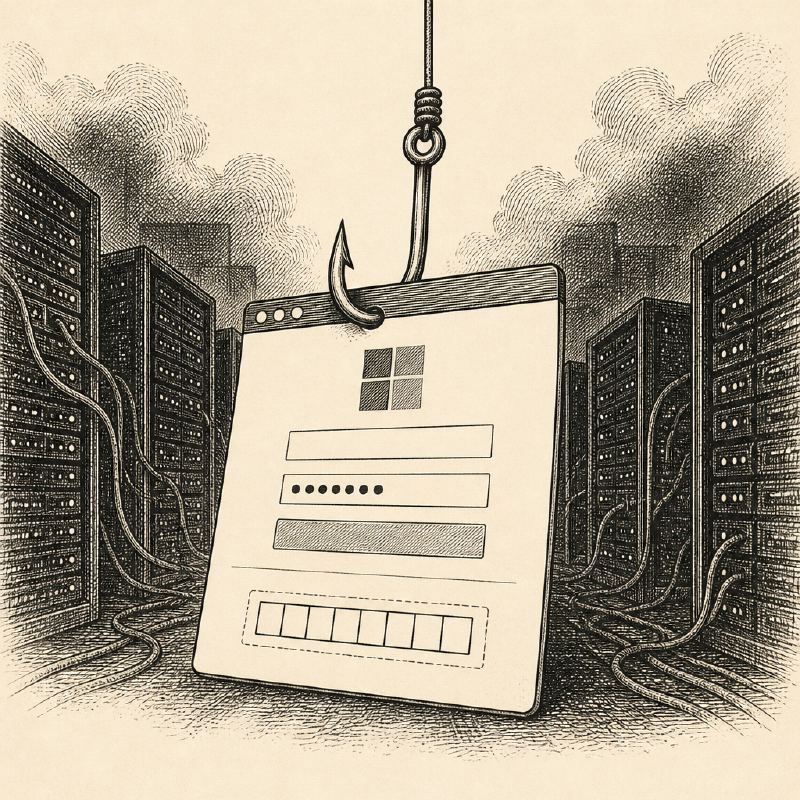
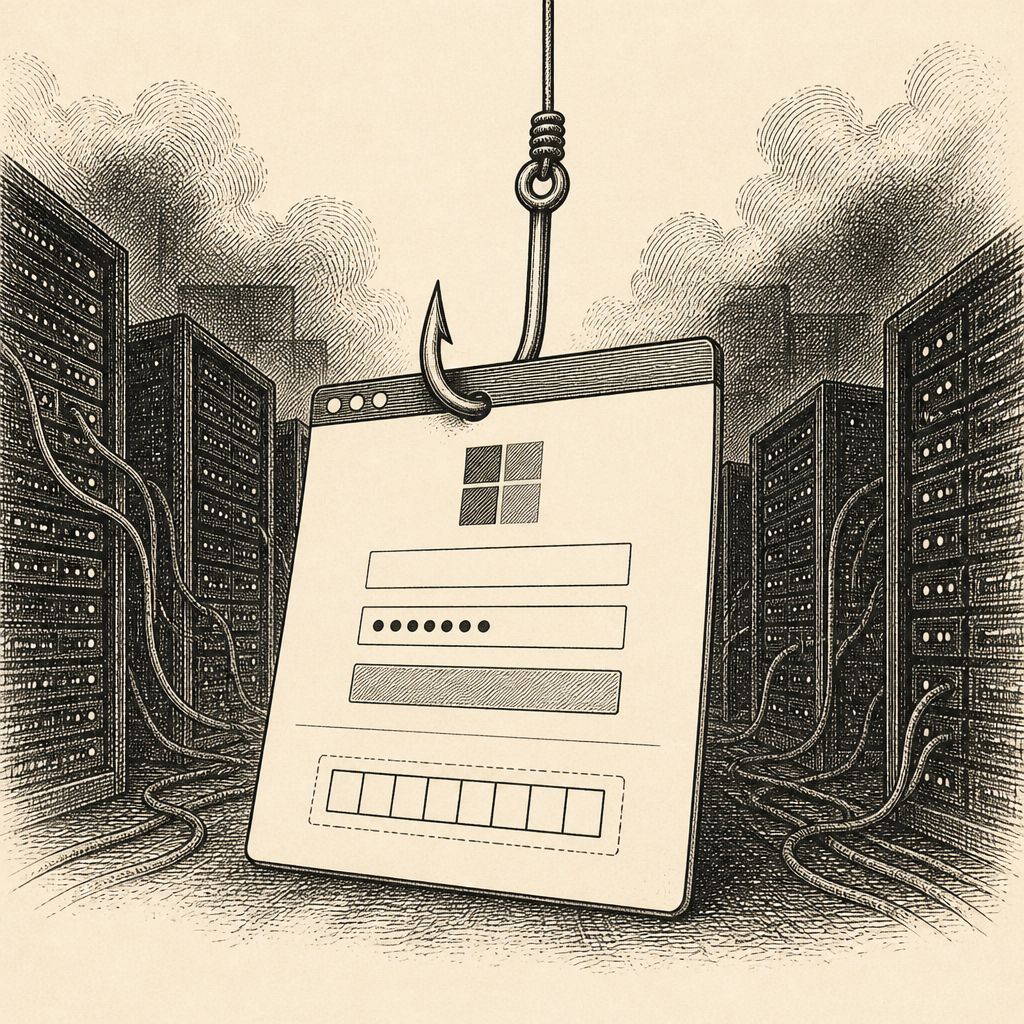
Hackers are actively continuing EvilTokens phishing campaigns to compromise Microsoft 365 accounts, demonstrating resilience even after Microsoft's official takedown on September 22, 2026, and subsequent arrests by London's Metropolitan Police. New phishing hosts have been observed persisting through October and November, indicating the threat actor's determination to maintain operations.
EvilTokens, a phishing-as-a-service kit sold on Telegram and tracked by Microsoft as Storm-2992, was previously linked to over 12,000 compromised inboxes across more than 10,000 organizations. Unlike traditional phishing methods that mimic login pages, EvilTokens exploits the OAuth device code flow. This technique involves victims entering a legitimate code on Microsoft's official sign-in page, making standard URL-based detection methods ineffective. Researchers at VMRay noted this persistent activity in a report published on November 24, 2026, after an initial indicator from their threat feed led to the discovery of numerous additional hosts.
The phishing kit operates by generating a short-lived device code from Microsoft, which is then presented to the victim, often disguised as a document from services like Adobe, DocuSign, OneDrive, or SharePoint. The victim is instructed to enter this code at microsoft.com/devicelogin. The attacker's backend system continuously polls Microsoft's servers, and upon successful user approval, it obtains both an access token and a refresh token, granting unauthorized access.
VMRay's analysis reveals that while confirmed hosts peaked earlier in the year, activity saw a significant resurgence after the takedown. Post-takedown, the number of active hosts, though reduced, remained notable, with new phishing infrastructure frequently appearing on services like Bunny CDN, while still routing device code calls through Workers.dev. The researchers also warn that some legitimate domains may have been compromised and are being reused to host the EvilTokens kit, further complicating detection efforts.
The implications of stolen tokens extend beyond initial access. Microsoft has detailed that these tokens are used to read emails, establish hidden inbox rules, and register new devices, ensuring persistent access. Furthermore, the EvilTokens kit incorporates AI features that enable threat actors to analyze victim mailboxes and craft sophisticated Business Email Compromise (BEC) messages, increasing the likelihood of successful social engineering attacks.
Researchers employed specific backend paths (/api/device/start and /status/) and an unusual X-Antibot-Token header to identify and cluster new hosts. These methods, combined with checks on VirusTotal, urlscan, and passive DNS data, allowed for the confirmation of EvilTokens infrastructure, including clusters that mimicked legitimate business portals and utilized disposable email domains for account registration.
To mitigate this threat, Microsoft strongly recommends disabling the device code flow entirely through Conditional Access policies in Microsoft Entra ID. Administrators can create a policy that blocks this authentication flow, with a recommendation to first run it in report-only mode to identify any legitimate uses before full enforcement. It is crucial to exclude break-glass accounts from this policy to prevent lockout scenarios. For organizations unable to disable the flow, monitoring Entra sign-in logs for the 'Device Code' authentication protocol and investigating any unprompted sign-ins is advised.
If a suspicious approval is detected, Microsoft advises revoking user sessions and refresh tokens, and removing any newly registered devices. Given that attackers can register new devices within minutes of token theft, a temporary account disablement is recommended over a simple password reset to ensure complete removal of unauthorized access.