
European Parliament Members Demand Serbia Slow EU Accession Over Spyware Use
European Parliament members are calling for Serbia's EU accession process to be slowed due to credible reports of state-sponsored spyware use against activists and opposition figures.
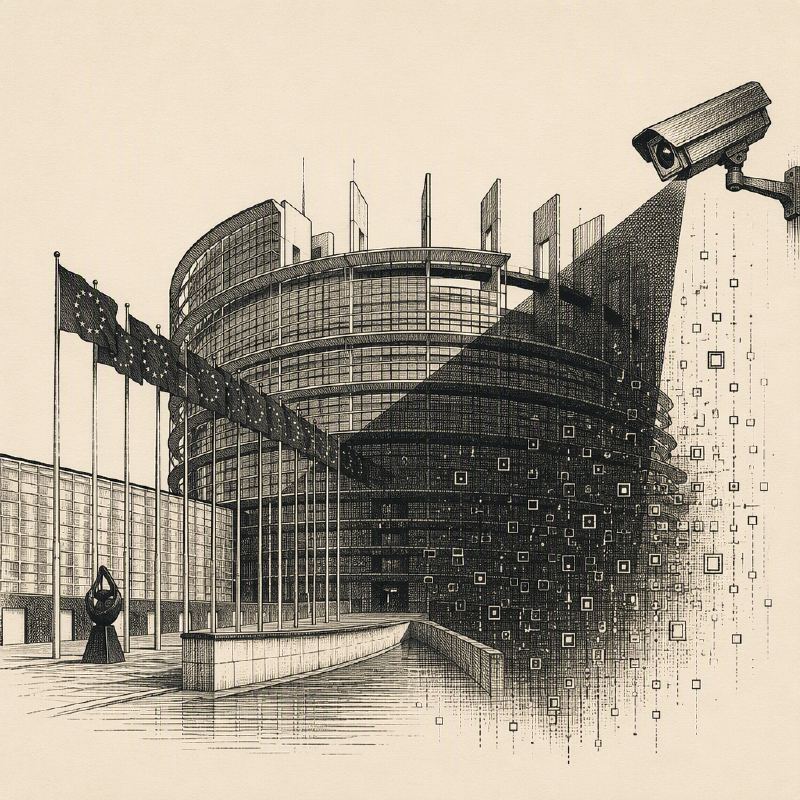
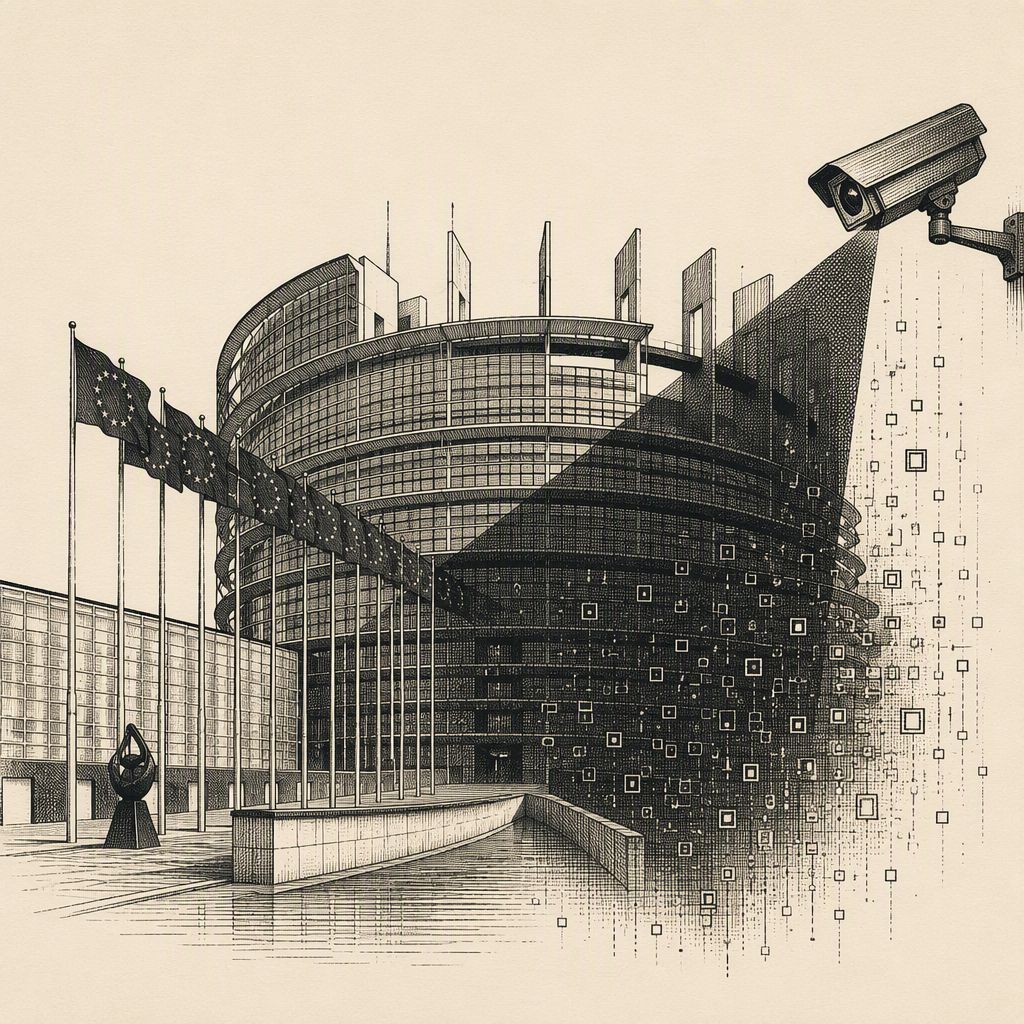
A bloc of 29 European Parliament members (MEPs) has formally requested that Serbia's accession into the European Union be significantly slowed, citing a recent report detailing the use of sophisticated spyware against its citizens. The demand, articulated in a letter, highlights findings from the SHARE Foundation, Amnesty International, and The Citizen Lab, which uncovered Pegasus and NoviSpy spyware infections on the devices of student activists and other individuals.
The report provided evidence suggesting that Serbian government authorities were responsible for the NoviSpy infections. While the perpetrators of the Pegasus infections remain unassigned by the researchers, the presence of both spyware strains on activist phones has raised serious alarms within the European Parliament. The MEPs characterized the alleged surveillance as a "direct state attack on democracy," particularly concerning given the upcoming elections in Serbia.
"With upcoming elections ahead, Aleksandar Vučić’s regime is using illegal digital surveillance to systematically dismantle political opposition," the MEPs stated in their letter. They argue that this alleged misuse of state resources for surveillance undermines fundamental democratic principles and the rule of law, which are prerequisites for EU membership.
Beyond slowing the accession process, the MEPs are urging for a thorough investigation into Serbia's spyware activities. They propose making Serbia's progress towards EU membership contingent upon demonstrable improvements in accountability and adherence to democratic standards. Furthermore, they have called for European Commission President Ursula von der Leyen to reconsider a planned visit to Serbia, signaling a strong disapproval of the current political climate.
This spyware issue adds to existing tensions between the EU and Serbia. Earlier in the week, Enlargement Commissioner Marta Kos canceled her own visit to Serbia in response to the alleged "glorification" of war criminal Ratko Mladic. Hannah Neumann, an MEP who co-signed the spyware letter, noted that the spyware revelations were "another straw" in a series of criticisms leveled against the Serbian government, indicating a broader pattern of concern over democratic backsliding.
The Serbian government has not yet issued a public response to the allegations or the MEPs' demands. The letter emphasizes that "appeasement has failed" and calls on the European Commission to enforce its stated values, asserting that "compliance with fundamental democratic standards is a non-negotiable requirement, not an option."
This situation also occurs against a backdrop of broader concerns within the EU regarding state-sponsored spyware. Recent revelations of spyware found on the device of a member of the European Parliament's PEGA Committee have reignited calls for implementing recommendations aimed at curbing spyware abuses across member states and candidate countries.
The implications of this development are significant, potentially impacting Serbia's geopolitical trajectory and its relationship with the European Union. The MEPs' strong stance underscores the EU's commitment to upholding democratic principles and the rule of law as core tenets of its enlargement policy.