
Europe Hit by Coordinated Refrigeration System Cyberattacks
Multiple European countries experienced widespread disruptions to refrigeration units on November 2-3, with Russian-aligned groups considered likely perpetrators.
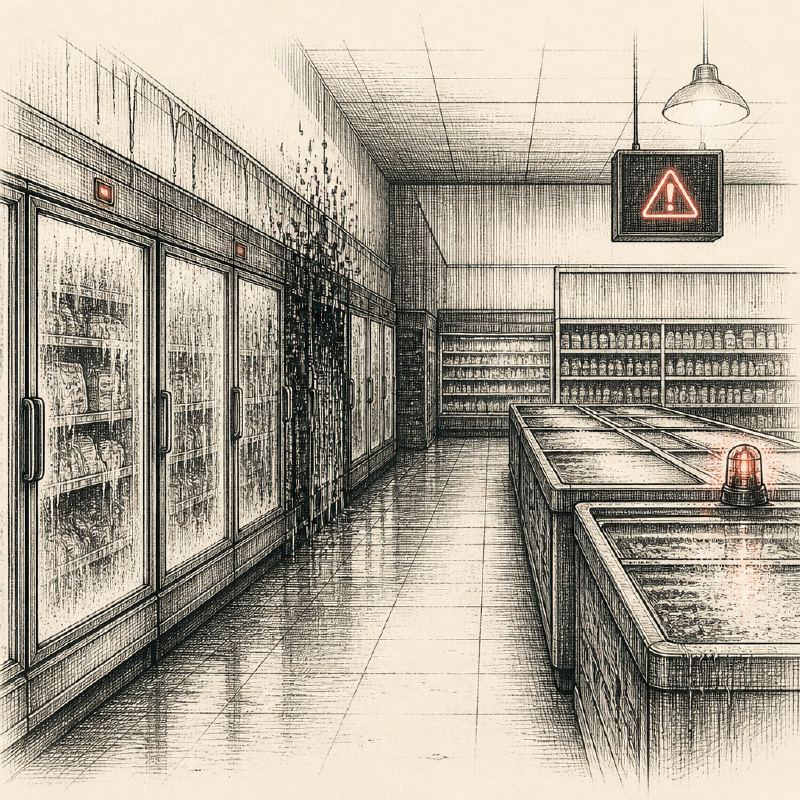
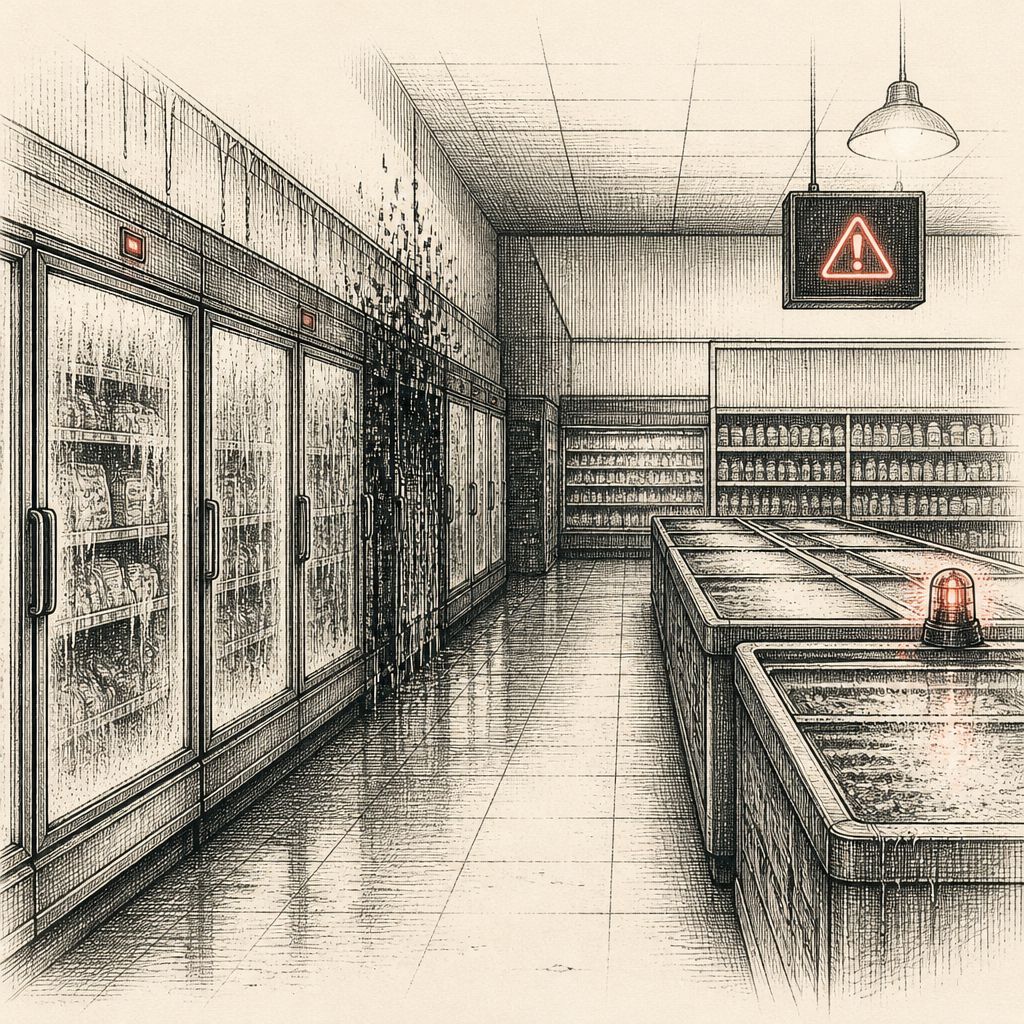
A coordinated cyberattack campaign has disrupted refrigeration units across at least six European countries between November 2nd and 3rd, 2026. The incidents, which targeted commercial refrigerators and freezers in retail environments, caused the units to warm up overnight, potentially leading to significant spoilage of perishable goods.
The attacks appear to have been synchronized, affecting multiple locations simultaneously. While the exact technical mechanism is still under investigation, initial assessments suggest a sophisticated approach that bypassed or exploited existing security measures in the refrigeration control systems. The scale and coordination point towards a state-sponsored or highly organized threat actor.
Attribution remains a key focus for cybersecurity investigators. However, preliminary intelligence and the nature of the attack have led authorities and security researchers to consider Russian-aligned groups as credible suspects. This potential attribution is based on observed patterns of activity and geopolitical considerations, though definitive proof is still being sought.
The impact of these attacks extends beyond immediate financial losses due to spoiled inventory. The disruption to essential cooling infrastructure highlights a critical vulnerability in the supply chain and retail sectors. Such incidents can have cascading effects, impacting food availability, consumer trust, and the operational continuity of businesses.
While no specific CVEs have been publicly disclosed in relation to this particular wave of attacks, the incident echoes previous concerns raised about the security of industrial control systems (ICS) and operational technology (OT) in critical infrastructure. The use of such systems for widespread disruption underscores the evolving threat landscape, where attackers are increasingly targeting less conventional, yet vital, infrastructure.
Security agencies are actively monitoring the situation and working with affected businesses to assess the damage and implement enhanced security protocols. The investigation is ongoing, with a focus on understanding the full scope of the compromise and preventing future occurrences. The incident serves as a stark reminder of the need for robust cybersecurity measures across all sectors, including those not traditionally considered high-tech.
This event also raises questions about the potential for similar attacks on other critical infrastructure sectors that rely on temperature-controlled environments. The interconnectedness of modern supply chains means that a disruption in one area can have far-reaching consequences, emphasizing the need for a holistic approach to cybersecurity resilience.