
EU Sanctions Hacktivist Group NoName057(16), Malware Targets Cached Credentials, AI Research Firms Under Fire
The European Union has officially sanctioned the hacktivist group NoName057(16), while new malware targeting cached credentials and attacks on AI research entities like Epoch AI have emerged.
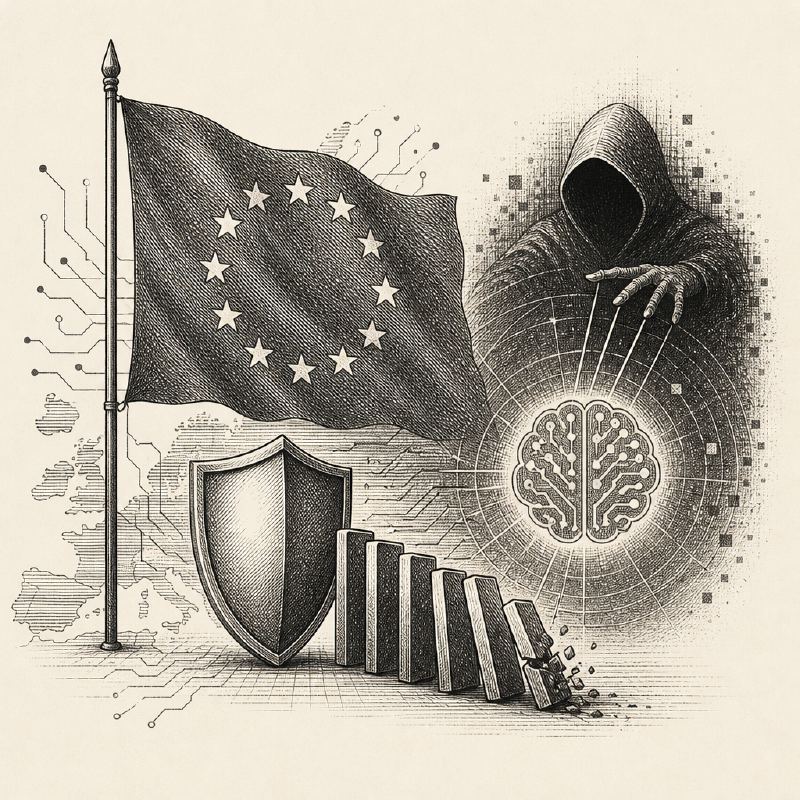
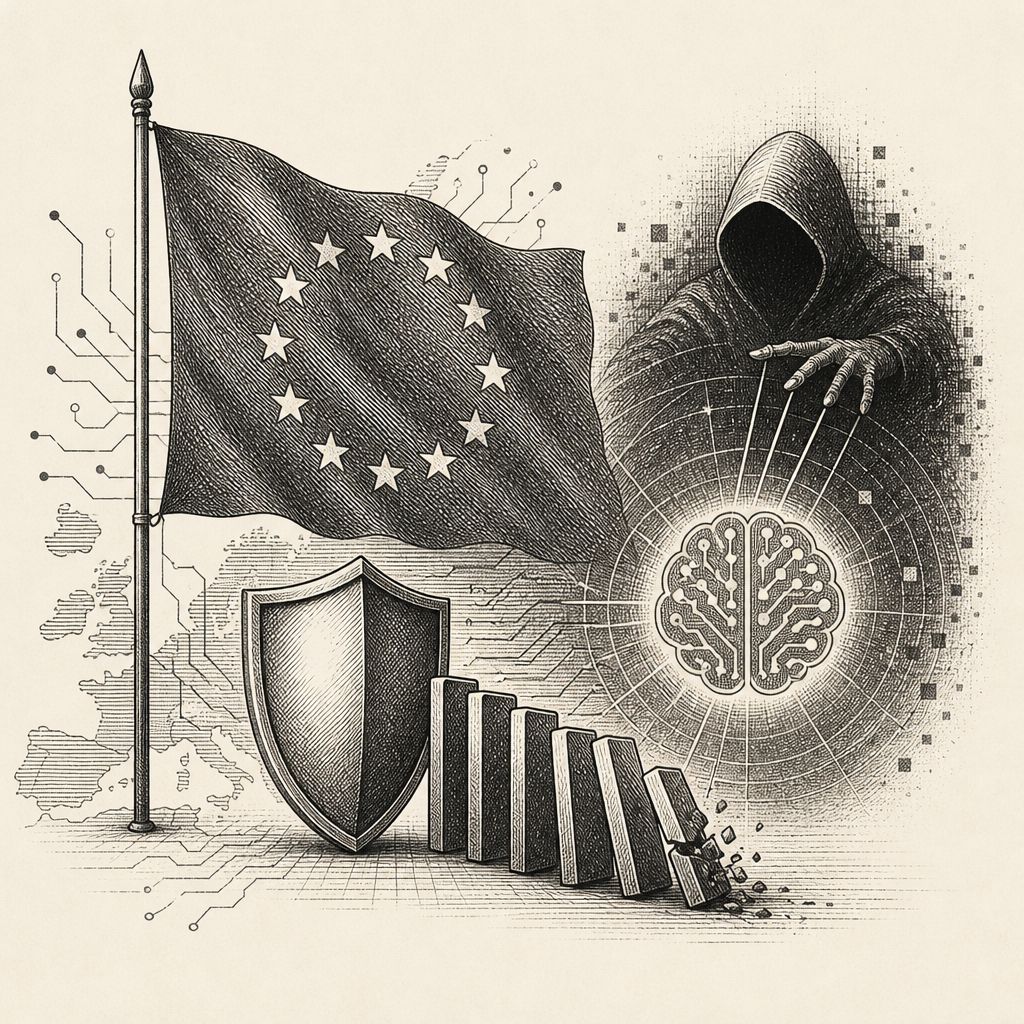
The European Union has formally added the hacktivist group NoName057(16) to its cyber sanctions list, marking a significant step in international efforts to curb politically motivated cyber operations. This designation signifies the EU's recognition of the group's disruptive activities and its role in coordinated cyber campaigns.
In parallel, security researchers have identified a new strain of malware designed to exploit vulnerabilities in how personal computers store cached credentials (CACs). This malware aims to pilfer sensitive login information that remains accessible on devices even after a user has logged out, posing a significant risk to individuals' online accounts and data.
The cybersecurity landscape also shows a growing focus on the artificial intelligence sector. Reports indicate that agents associated with Gemini, a prominent AI model, were targeted in attacks against Epoch AI, a research organization. This suggests a potential escalation in cyber threats directed at entities at the forefront of AI development, possibly for espionage or to disrupt research.
These developments underscore a multi-faceted threat environment. The EU's sanctions against NoName057(16) highlight the increasing use of formal diplomatic and economic tools to combat cyber threats attributed to state-sponsored or state-tolerated groups. The emergence of new malware targeting CACs demonstrates the persistent ingenuity of cybercriminals in finding and exploiting weaknesses in common computing practices.
Furthermore, the reported targeting of AI research firms like Epoch AI points to a new frontier in cyber conflict, where the race for AI dominance may spill over into the digital battleground. Such attacks could aim to steal proprietary research, disrupt development, or gain insights into advanced AI capabilities.
These disparate events, while varied in nature, collectively paint a picture of an evolving threat landscape. From state-backed hacktivism to sophisticated malware and targeted attacks on cutting-edge technology sectors, organizations and individuals must remain vigilant. The interconnectedness of these threats means that advancements in one area, such as AI, can create new attack vectors, while geopolitical tensions can fuel disruptive cyber activities.
As these threats continue to develop, the need for robust cybersecurity measures, international cooperation, and proactive threat intelligence becomes increasingly critical. The EU's action against NoName057(16) serves as a reminder of the global nature of cyber threats and the importance of coordinated responses.