
EU Cyber Resilience Act to Mandate Container and Kubernetes Security
The EU's Cyber Resilience Act, effective December 2024, introduces new cybersecurity mandates for digital products, including significant implications for container and Kubernetes environments.
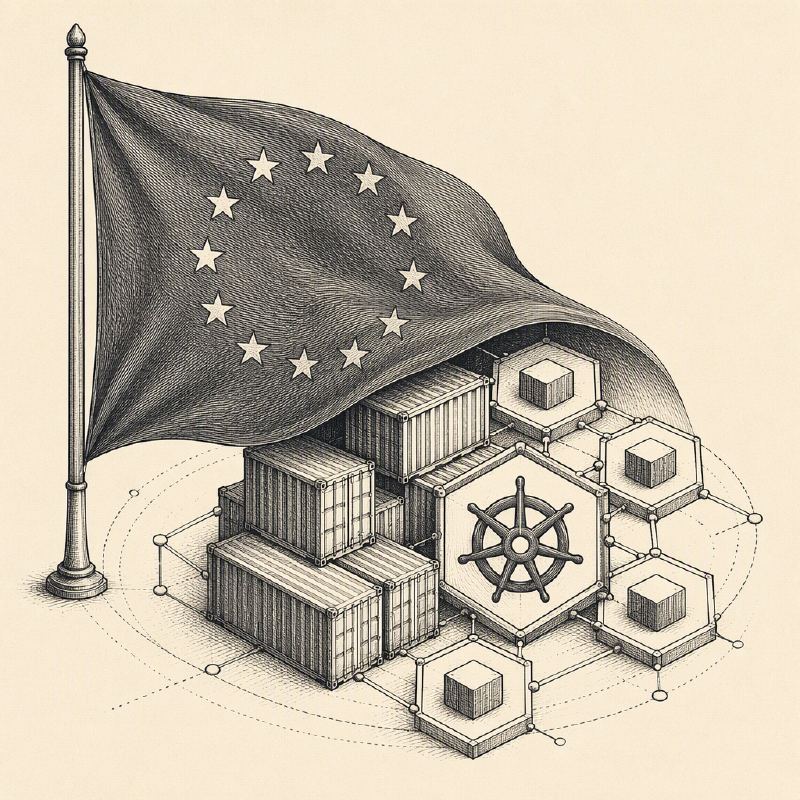
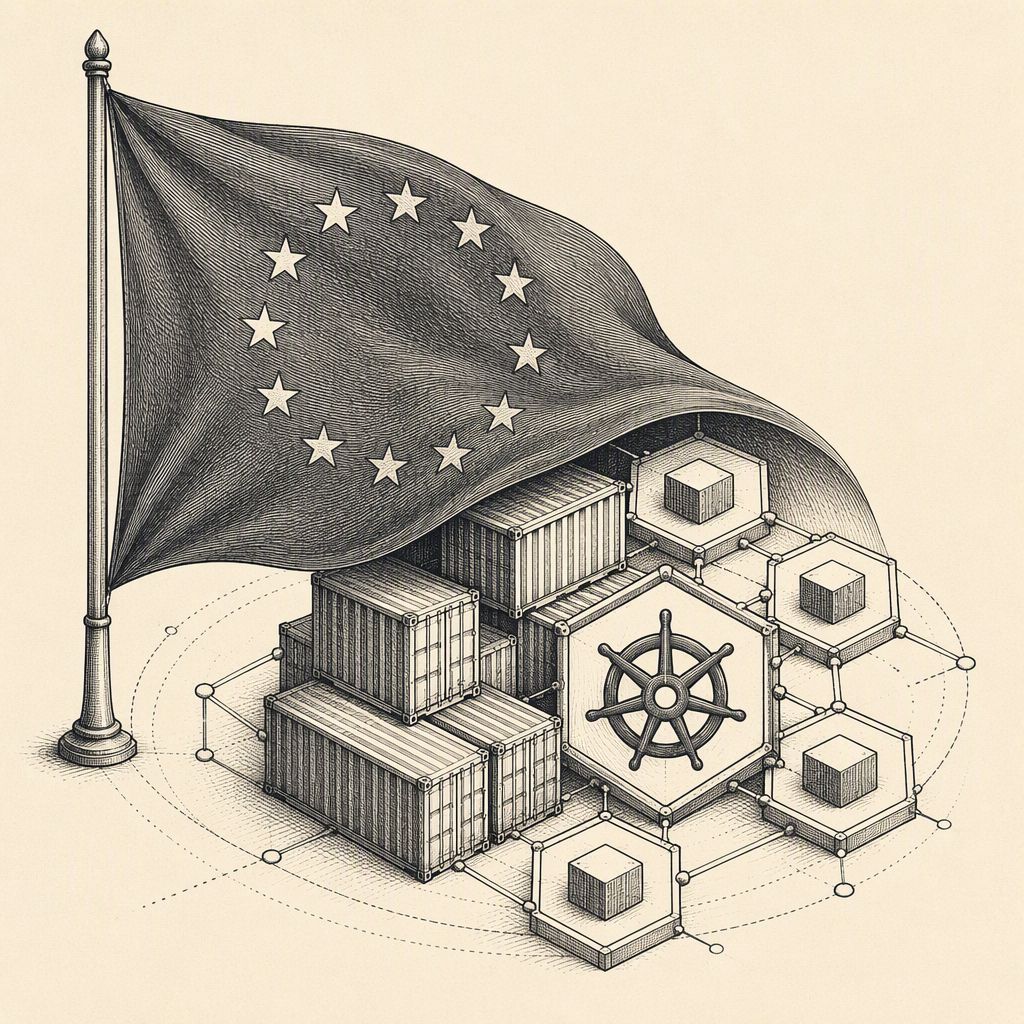
The European Union is set to implement the Cyber Resilience Act (CRA), a sweeping regulation designed to bolster the cybersecurity posture of digital products entering the EU market. Effective December 10, 2024, the CRA (EU 2024/2847) establishes mandatory cybersecurity requirements for all products with digital elements, impacting a wide array of hardware and software.
While the regulation's full enforcement is slated for December 11, 2027, organizations must be aware of the phased rollout. Crucially, reporting obligations for certain aspects of the CRA will commence on September 11, 2026. This timeline necessitates proactive preparation, particularly for sectors dealing with modern cloud-native architectures.
A significant focus of the CRA lies in its implications for container and Kubernetes environments. The regulation introduces new mandates concerning how cloud-native applications are securely developed, distributed, and maintained throughout their lifecycle. This means that security practices for container images, orchestration platforms like Kubernetes, and the associated development pipelines will face increased scrutiny and regulatory oversight.
The CRA's scope extends to the entire product lifecycle, demanding that manufacturers and developers embed security from the initial design phase through to post-market surveillance. For containerized applications, this translates to a need for robust vulnerability management within container images, secure configuration of Kubernetes clusters, and continuous monitoring for threats.
Compliance with the CRA will require organizations to demonstrate a commitment to secure software development practices, including rigorous testing, secure coding standards, and effective patch management. Failure to comply could result in significant penalties, impacting market access and brand reputation within the EU.
The regulation aims to harmonize cybersecurity standards across the EU, creating a more secure digital ecosystem. By extending these requirements to container and Kubernetes technologies, the EU acknowledges the critical role these platforms play in modern IT infrastructure and the associated security risks.
As the effective dates approach, companies utilizing or developing products for the EU market that incorporate container and Kubernetes technologies should begin assessing their current security posture against the CRA's requirements. This includes evaluating their supply chain security, incident response capabilities, and overall security governance for cloud-native deployments.
The EU Cyber Resilience Act represents a significant step towards establishing a baseline of cybersecurity for digital products. Its application to container and Kubernetes environments underscores the evolving threat landscape and the increasing importance of securing the foundational technologies that power cloud-native applications.