
ENISA Report: Europe Faces Rising Cyber Threats Driven by Geopolitics and Interconnected Systems
Europe's digital landscape is increasingly vulnerable, with cybercrime, state-linked activities, and disruptions to shared technology providers posing significant threats, according to ENISA's 2026 Threat Landscape report.
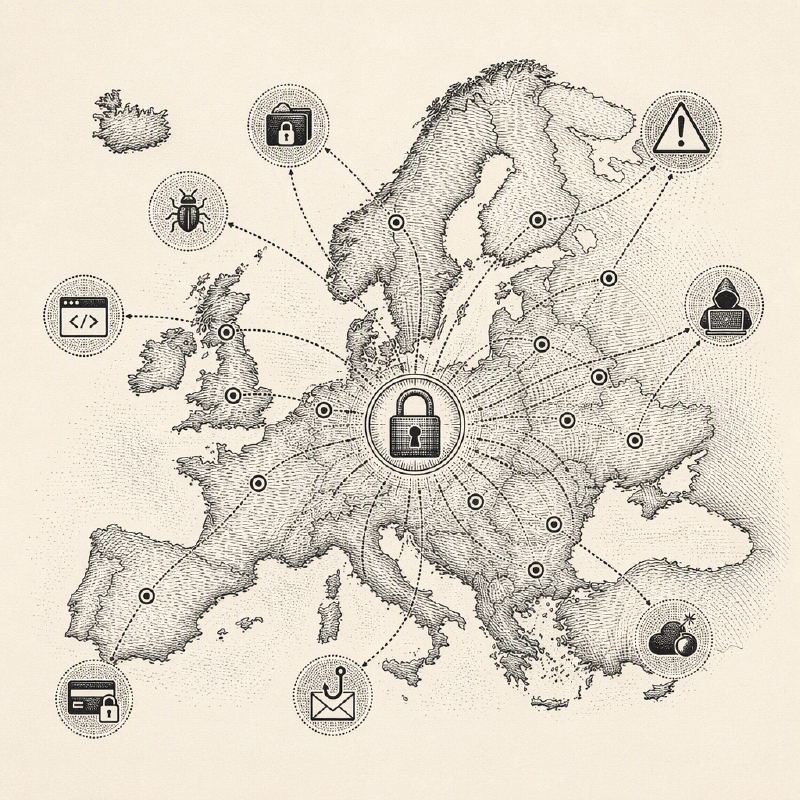
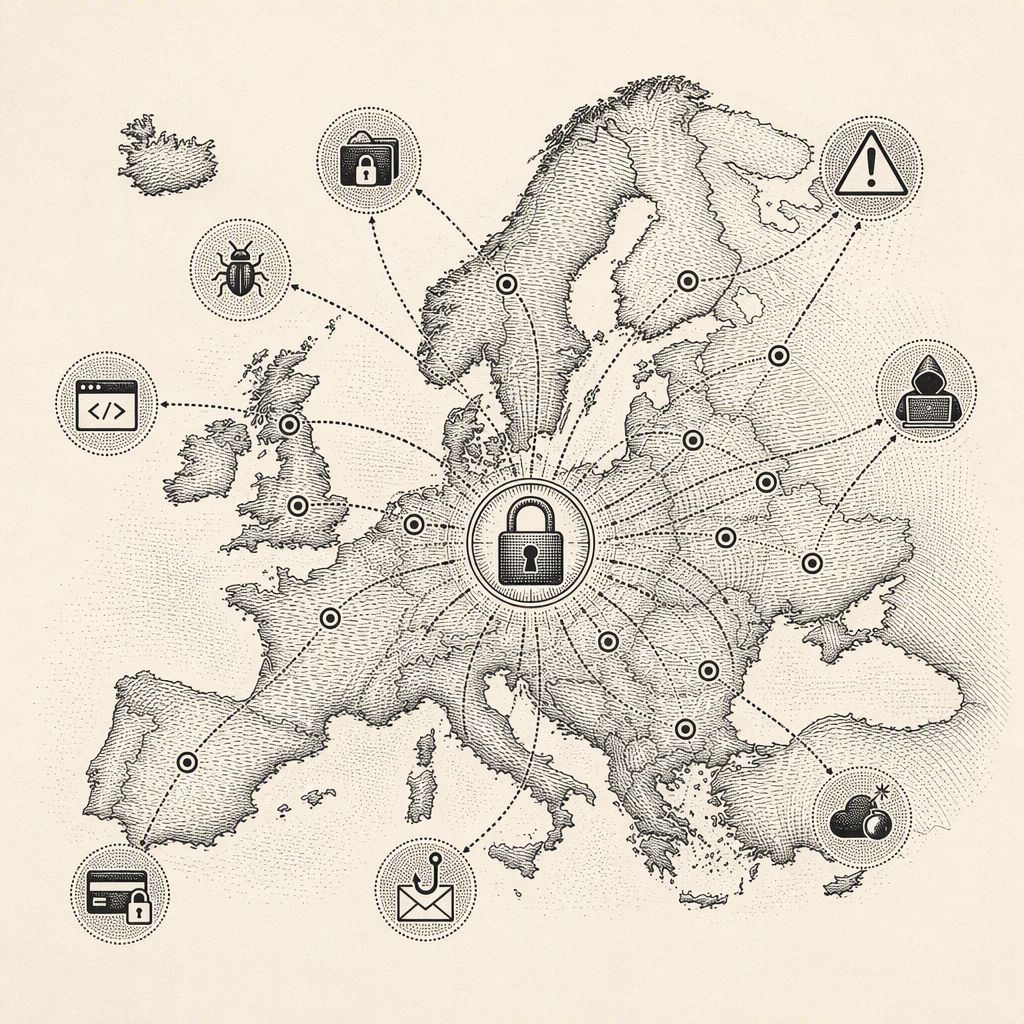
Europe is grappling with a significant escalation in cybersecurity risks, driven by a confluence of factors including sophisticated cybercrime, state-sponsored espionage, foreign information manipulation, and widespread vulnerability exploitation. ENISA's comprehensive Threat Landscape 2026 report, analyzing over 8,257 incidents from 2025, reveals that geopolitical tensions are directly influencing the targets and methods of attackers, while the interconnected nature of modern digital infrastructure amplifies the potential for widespread disruption.
Distributed Denial of Service (DDoS) attacks emerged as the most prevalent threat, accounting for over half of all recorded incidents. These attacks frequently targeted government websites and online services, often orchestrated by hacktivist groups in response to political events. Unauthorized access remained a close second, highlighting persistent efforts by threat actors to infiltrate systems. Ransomware also continued to be a major disruptive force across the European Union, underscoring the ongoing financial motivation behind many cyber campaigns.
A critical concern highlighted by the report is the increasing impact of attacks on shared technology providers, including third-party suppliers, cloud environments, and software supply chains. The reliance on these common services means that a compromise at a single provider can cascade, affecting numerous dependent organizations even if their own defenses are robust. This was exemplified by a ransomware attack on a Swedish IT supplier that impacted approximately 200 municipalities and regional authorities, disrupting essential services.
Public administration sectors bore the brunt of these attacks, representing over 31% of all recorded incidents. These entities were repeatedly targeted with DDoS attacks, particularly around elections and geopolitical events like the conflicts in Ukraine and the Middle East. Financially motivated attacks within public administration also saw significant data breaches and ransomware deployments, primarily affecting local government bodies.
Beyond cybercrime, state-linked groups continued their focus on cyberespionage, targeting ministries, diplomatic organizations, and government institutions to gather strategic intelligence and potentially steal intellectual property. Business services, the second most affected sector, experienced a high volume of unauthorized access incidents, with ransomware and data breaches being common outcomes.
The report also identified phishing as a primary entry vector, accounting for nearly 78% of social engineering techniques observed. Attackers are increasingly employing sophisticated methods, including the 'ClickFix' technique that tricks users into executing malicious commands, and leveraging trusted messaging platforms like Signal and WhatsApp for personalized attacks. The exploitation of software vulnerabilities remains a significant pathway for initial access, contributing to a substantial portion of unauthorized access incidents.
Looking ahead, ENISA anticipates that the advancement and adoption of Artificial Intelligence (AI) could significantly accelerate cyberattacks. Threat actors are already using AI to enhance phishing campaigns, automate reconnaissance, and develop malicious code more rapidly. State-linked groups are leveraging AI for foreign information manipulation, generating convincing text, audio, and video content for wider dissemination. Furthermore, AI applications themselves are becoming targets, presenting new avenues for attackers to gain access to sensitive data and trusted systems.
The interconnectedness of digital systems, coupled with evolving attack vectors and the potential amplification by AI, presents a complex and growing challenge for Europe's cybersecurity posture. The report stresses the importance of understanding these dynamics to implement effective solutions and maintain resilience across the digital economy.