
Endpoint PAM's Limits Exposed: 21 Controls Needed to Secure Cloud, SaaS, and AI Estates
A new checklist outlines 21 controls to eliminate standing access across cloud, SaaS, and AI environments, addressing the growing security gap left by traditional endpoint Privileged Access Management.
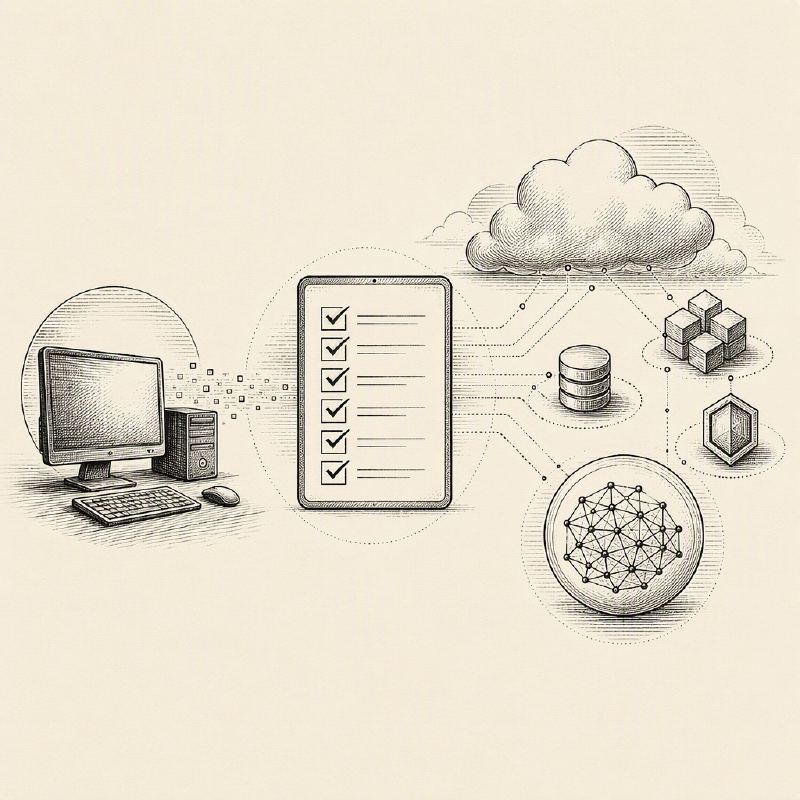
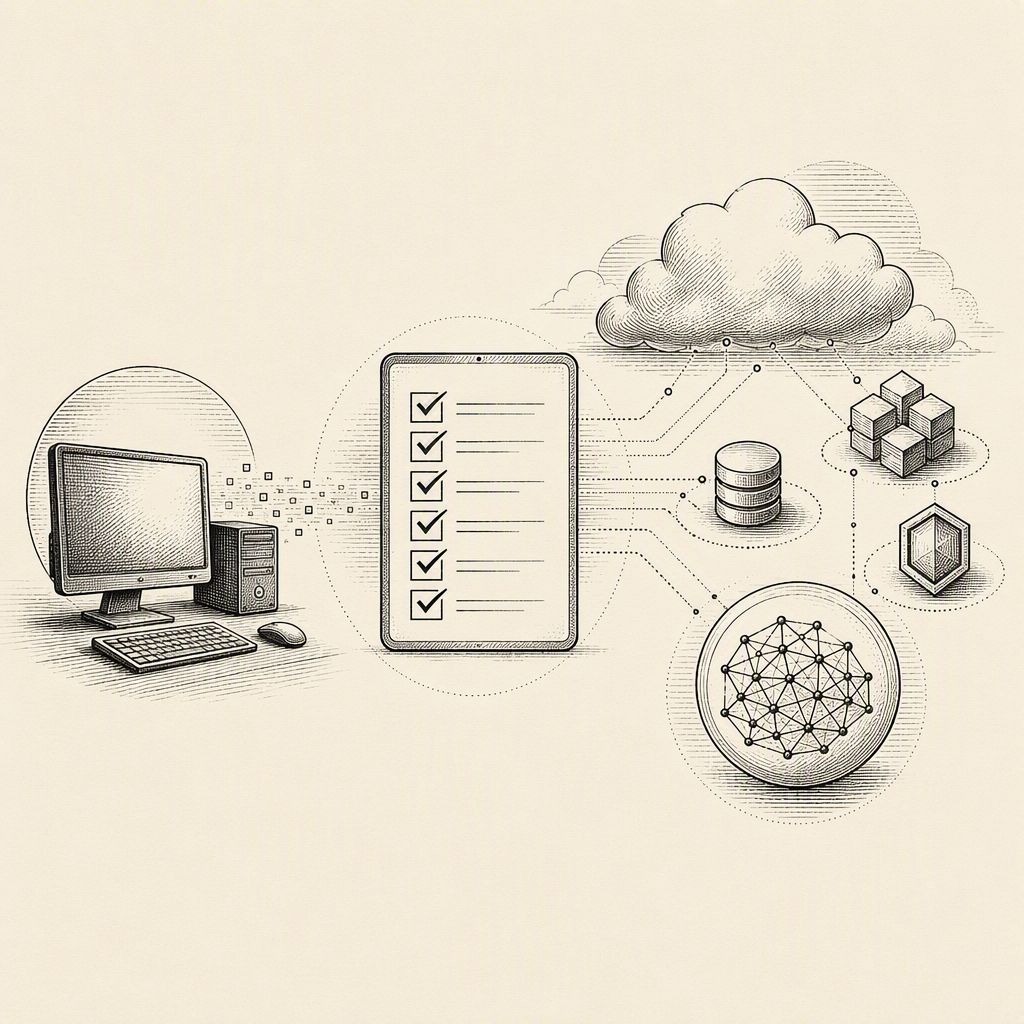
Traditional Privileged Access Management (PAM) solutions, focused for two decades on securing endpoints, are increasingly insufficient as organizations shift their infrastructure to cloud platforms like AWS, Azure, and Google Cloud, and store critical data in SaaS applications. The rise of machine identities—service accounts, API keys, pipelines, and AI agents—which now significantly outnumber human identities, presents a new and largely unmanaged attack surface. These machine identities often possess always-on permissions that traditional PAM systems cannot track or control, creating a fertile ground for attackers who increasingly log in rather than break in.
A recent report highlights the severity of this shift, with 92% of security leaders admitting a lack of full visibility into their AI agent identities and doubting their ability to detect or contain a compromised one. Compounding this, a staggering 0.01% of non-human identities are estimated to control 80% of cloud resources, concentrating significant risk. Despite these evolving threats, compromised privileged credentials remain a primary driver of security incidents, replaying endpoint-era problems in cloud environments.
The financial implications of this expanding privilege gap are substantial. IBM's 2026 Cost of a Data Breach Report indicates a global average breach cost of $4.99 million, with industries like healthcare and financial services bearing the brunt due to their sensitive data and extensive standing access. The report also notes the United States faces an average breach cost of $11.5 million, more than double the global average.
High-profile incidents from 2026 underscore the real-world consequences of standing access. The Vercel/Context.ai breach, stemming from an employee's broad OAuth grant to a third-party AI tool, led to exposed API keys and source code. Similarly, the Salesloft/Drift incident involved long-lived OAuth tokens used by a chatbot integration, granting access to hundreds of organizations' Salesforce environments. Both breaches highlight how standing access, even without malware or password theft, can be exploited when credentials are not time-boxed or reviewed.
Addressing this challenge requires a phased approach that moves beyond endpoint security. The proposed strategy involves five key countermeasures: first, re-confirming the endpoint baseline by eliminating standing local admin rights and vaulting credentials; second, discovering where privilege truly resides in cloud and SaaS environments; third, right-sizing and revoking dormant grants; fourth, replacing standing grants with just-in-time (JIT) access; and finally, continuously proving the effectiveness of these measures through ongoing metrics.
This comprehensive checklist aims to guide organizations through a structured process to audit and eliminate standing access. By systematically implementing these 21 controls across five phases—Discovery, Right-Sizing, Just-in-Time Access, and Continuous Proof—organizations can significantly reduce their attack surface and mitigate the risks associated with the expanding realm of privileged access beyond the traditional endpoint.
The journey begins with locking down the endpoint baseline, ensuring fundamental security measures are in place before tackling the more complex cloud and AI environments. This includes deploying endpoint privilege management (EPM) for on-demand application elevation and ensuring all privileged credentials are vaulted and automatically rotated, thereby breaking the common attack chain from initial foothold to lateral movement.