
Endpoint Encryption Management Takes Center Stage in 2026
The cybersecurity landscape in 2026 sees endpoint encryption management, not the encryption engines themselves, as the primary focus for businesses seeking robust data protection and compliance.
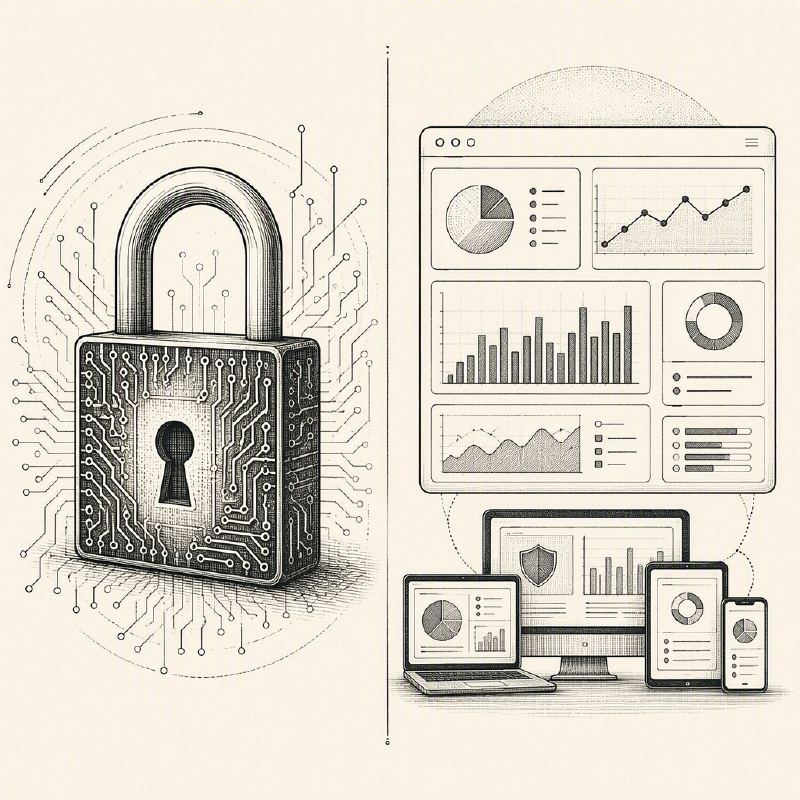
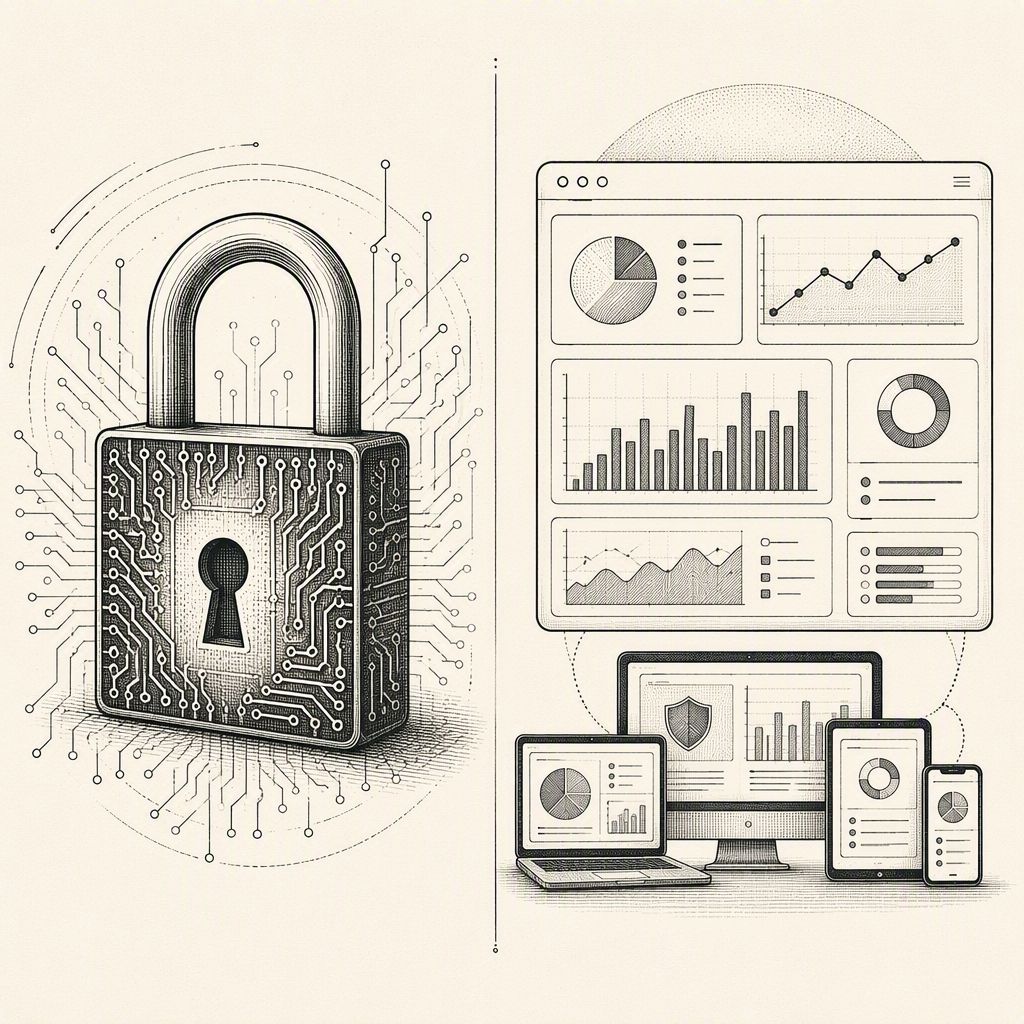
In 2026, the battle for superior endpoint encryption has largely been won by native operating system solutions like Microsoft BitLocker and Apple FileVault. These built-in tools are now considered mature, deeply integrated, and hardware-accelerated, making them the foundational layer for disk security. Consequently, the market has shifted its focus from the encryption engines themselves to the sophisticated management capabilities that surround them. Businesses are now prioritizing solutions that offer centralized control, compliance reporting, and secure key escrow over the underlying encryption algorithms.
The primary value proposition for third-party encryption software in the current market lies in its ability to manage these native engines across diverse IT environments. Key features that businesses are seeking include the ability to generate auditable proof of compliance, implement robust key escrow and recovery processes, enforce consistent policies across mixed Windows and macOS fleets, and provide advanced pre-boot authentication options. Native solutions, while strong, often fall short in these areas, creating a demand for management layers that bridge these gaps.
When evaluating endpoint encryption solutions, organizations are advised to consider their specific needs, such as the composition of their device fleet and their regulatory obligations. The choice often boils down to selecting the most appropriate management layer: Microsoft's own tools (Intune/Entra), the endpoint vendor's integrated solutions, or specialized third-party management platforms. This strategic reframing emphasizes that the purchase decision should be driven by management needs rather than the encryption technology itself.
Caution is advised regarding legacy encryption software, particularly those derived from the abandoned TrueCrypt project. Many of these tools are unmaintained and pose significant security risks, making them unsuitable for business use. VeraCrypt is noted as the only broadly credible open-source successor, but it too lacks centralized management capabilities, reinforcing the need for robust management solutions.
The article highlights several leading options, starting with Microsoft BitLocker managed via Intune and Entra ID. This solution is free for Windows Pro/Enterprise users, offers deep OS integration, and provides key escrow with self-service recovery. Its primary limitations are its Windows-only scope and basic pre-boot options, making it a baseline for Windows environments but requiring supplementary solutions for cross-platform fleets.
Sophos Central Device Encryption is presented as a strong contender for mixed fleets, managing both BitLocker and FileVault from a single console alongside its EDR solution. It offers a fast rollout, a self-service recovery portal, and sensible pricing, making it ideal for existing Sophos customers.
ESET Full Disk Encryption is recognized for its lightweight agent and cross-platform management, adding managed native-engine encryption and removable-media protection. It's a suitable choice for SMBs and mid-market organizations already using ESET products.
Trend Micro Endpoint Encryption integrates with its broader data loss prevention (DLP) software, offering full-disk, file/folder, and removable media encryption. While its console may feel enterprise-legacy, it's a viable option for Trend Micro estates needing more than basic native management.
Check Point Harmony Disk and Media Encryption stands out for its robust pre-boot authentication options beyond TPM+PIN and its mature media encryption capabilities, making it suitable for regulated environments requiring high assurance. Finally, Trellix Drive Encryption, inheriting McAfee's legacy, offers one of the most complete enterprise feature sets for managing encryption across large organizations.