
Emerging Time-Sensitive Networking Protocols Pose New Risks to Operational Technology
New research reveals that unprotected Time-Sensitive Networking (TSN) protocols, increasingly adopted in industrial settings, present significant vulnerabilities that could be exploited to disrupt critical physical processes.
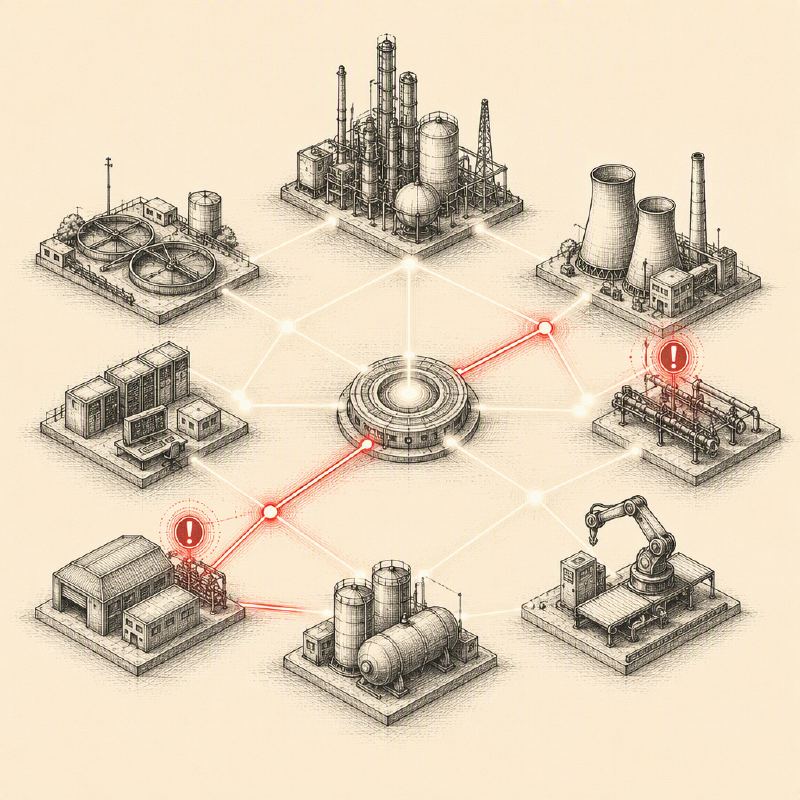
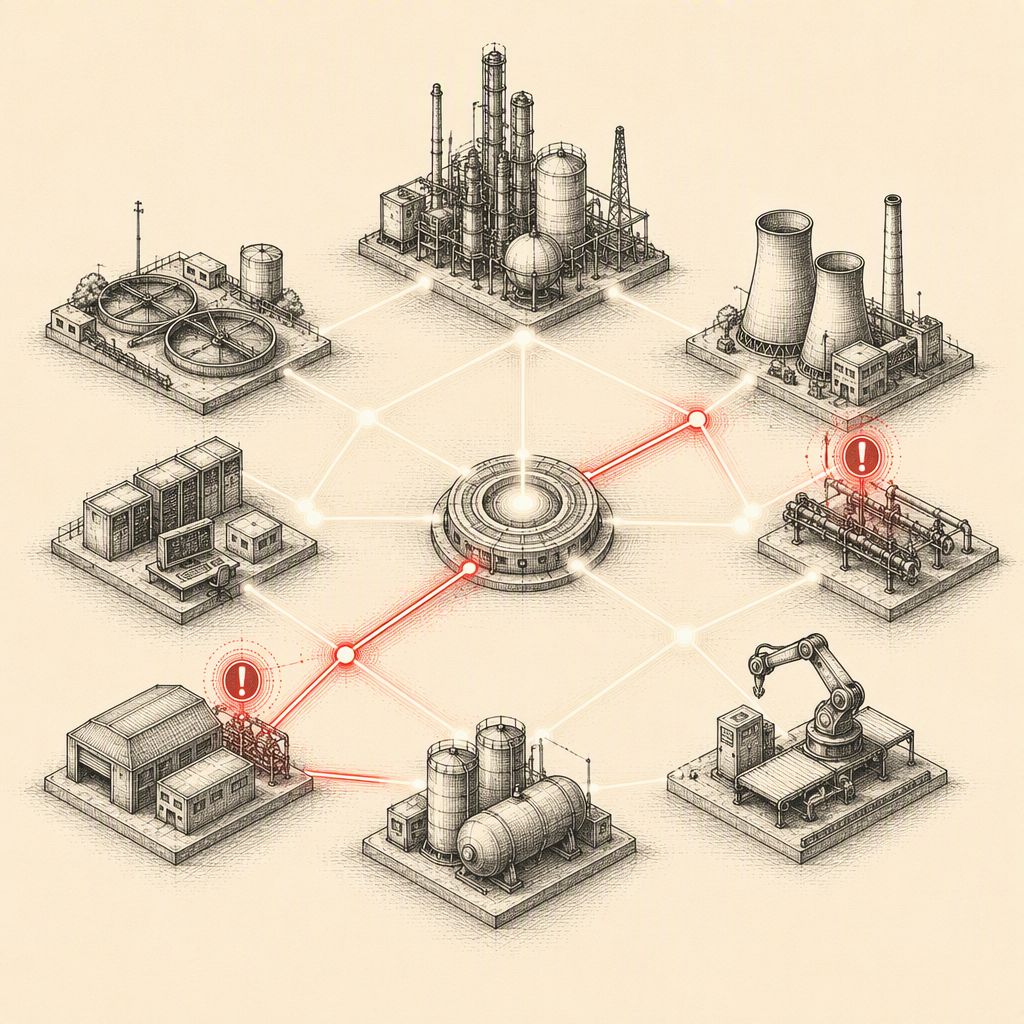
A recent analysis has brought to light critical security weaknesses within certain implementations of Time-Sensitive Networking (TSN) protocols, a family of emerging communication standards vital for modern industrial control systems. These protocols are designed to provide deterministic, low-latency communication essential for the precise coordination of machinery and processes in Operational Technology (OT) environments. However, the research highlights that without adequate security measures, these networks could become a significant attack vector.
The vulnerabilities identified primarily stem from the lack of robust authentication and integrity checks in some TSN implementations. Attackers who manage to gain a foothold within a network utilizing these unprotected protocols could potentially inject malicious commands or manipulate the timing of data packets. This could lead to a range of disruptive or even dangerous outcomes, such as causing physical equipment to malfunction, halting production lines, or altering critical process parameters in sectors like manufacturing, energy, and transportation.
TSN is a suite of IEEE 802 standards that enhance Ethernet to support time-critical applications. Its adoption is accelerating across various industries seeking to improve efficiency, enable real-time data analytics, and support the convergence of IT and OT networks. As more organizations integrate TSN into their critical infrastructure, the potential attack surface expands, making the security of these protocols a paramount concern.
The research team demonstrated how exploiting these weaknesses could lead to denial-of-service conditions, where legitimate network traffic is disrupted, or more sophisticated attacks that could cause physical damage. For instance, manipulating the timing of sensor data or actuator commands could lead to equipment failure or unsafe operating conditions. The implications are particularly severe for OT environments where the physical consequences of cyberattacks can be immediate and severe.
While TSN itself is a framework, the specific implementations and the security controls applied around them vary significantly. The findings underscore a common challenge in OT security: the rapid deployment of new technologies often outpaces the development and implementation of corresponding security best practices. Many legacy OT systems were not designed with modern cybersecurity threats in mind, and the integration of newer, more connected protocols like TSN introduces new complexities.
To mitigate these risks, organizations are advised to implement comprehensive security strategies for their OT networks. This includes segmenting networks, employing intrusion detection and prevention systems tailored for industrial protocols, and ensuring that any TSN implementations are secured with strong authentication, encryption, and integrity verification mechanisms. Regular security assessments and adherence to industry-specific security frameworks are also crucial.
The growing reliance on interconnected industrial systems means that vulnerabilities in foundational communication protocols like TSN can have far-reaching consequences. As TSN adoption continues, it is imperative that security considerations are integrated from the design phase through to deployment and ongoing management to prevent potential disruptions to critical infrastructure and industrial operations.