
Emerging Ransomware Gang 'n0n' Escalates Tactics with Backup Destruction Threats
A new ransomware group, dubbed 'n0n', is employing a novel double extortion tactic by threatening to destroy victim backups in addition to exfiltrating data, aiming to eliminate recovery options and increase pressure.
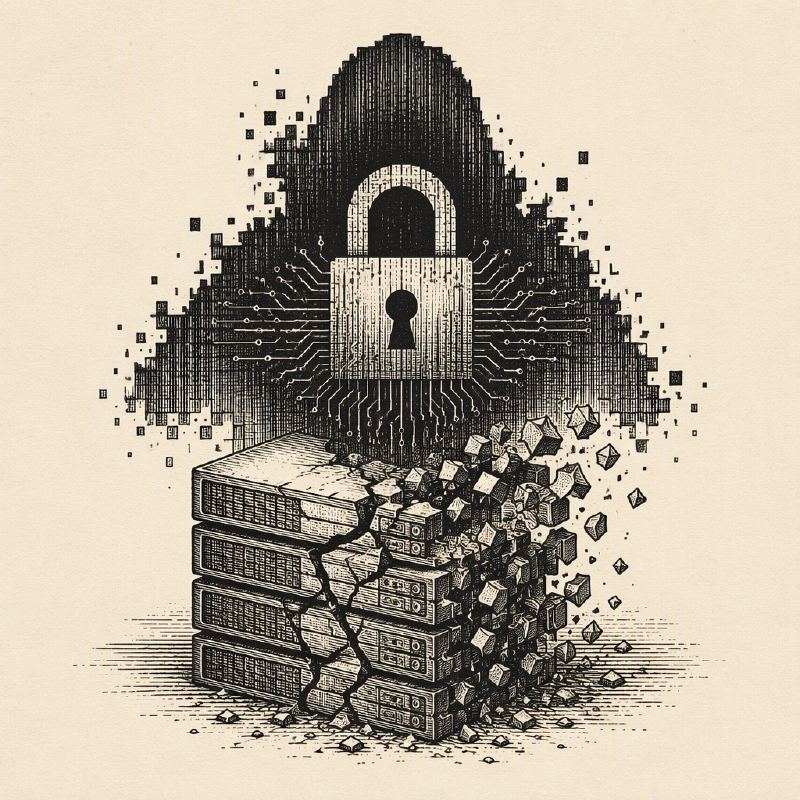
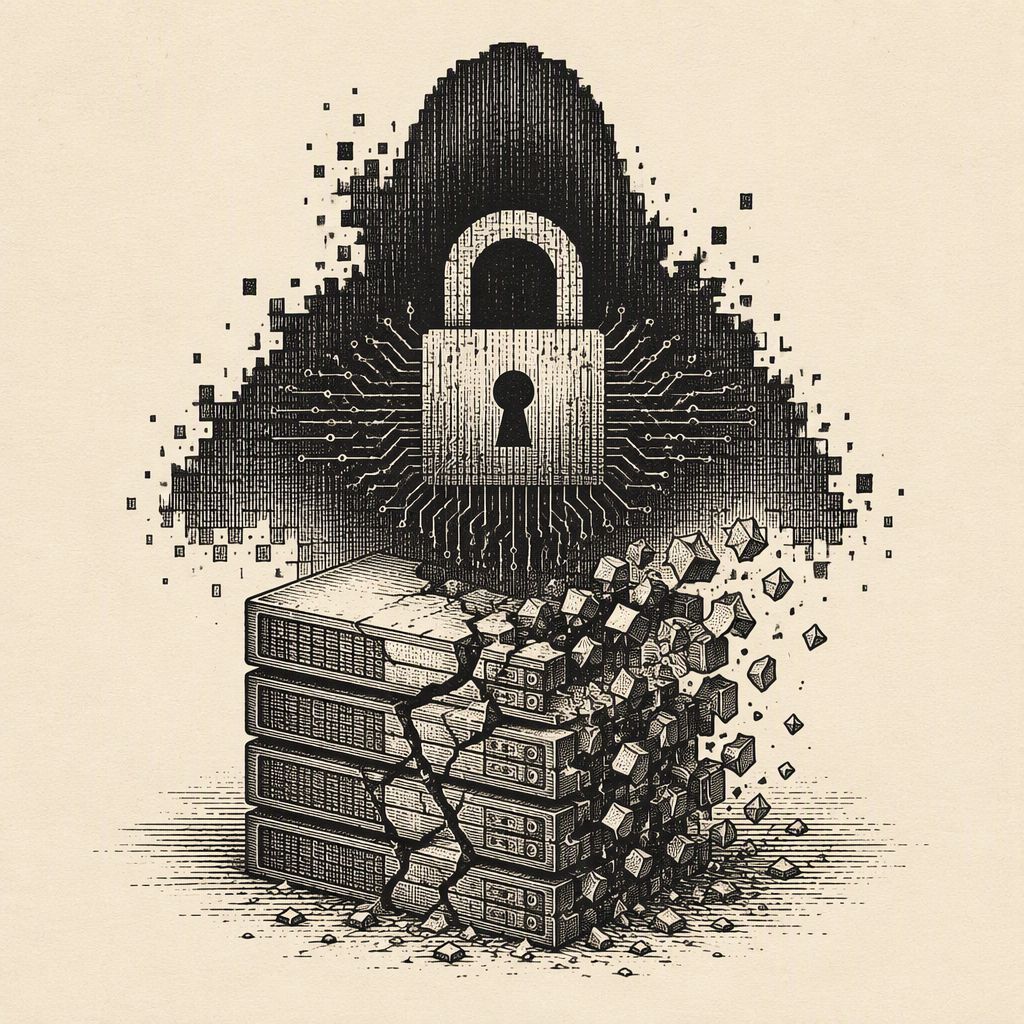
A newly formed ransomware group, identified as 'n0n', has emerged with a concerning escalation in its extortion tactics. Cybersecurity researchers at CyberXTron first observed the group's activity around September 18, and by September 22, n0n had already established a Tor-hosted leak site detailing over a dozen victims. This new threat actor operates on a double extortion model, a strategy that has become highly effective and popular among ransomware gangs.
What sets n0n apart is its explicit threat to not only steal sensitive corporate data but also to encrypt or destroy backups and shadow copies. This tactic is designed to instill extreme fear in victims by removing their primary means of recovery, potentially leaving them with no viable option but to pay the ransom to avoid complete operational collapse. The group's ransom notes directly highlight this enhanced threat, signaling a potentially more damaging impact for targeted organizations.
The financial services industry appears to be the most targeted sector so far, accounting for 23% of confirmed n0n attacks. Other significantly affected sectors include technology, retail, and education, each representing 15% of victims. Organizations within healthcare, defense, and professional services have also fallen prey to the group's operations. While the United States has been the most common target, n0n has claimed victims globally, including in Vietnam, Uzbekistan, Brazil, Sweden, and Luxembourg.
Some victims have already seen their countdown timers expire, with stolen data released on the group's leak site. This indicates that despite the severe threats, some organizations are choosing not to pay the ransom, even when faced with the potential destruction of their backups. This defiance suggests a growing resilience or a calculated risk assessment by some victims regarding the group's capabilities or intentions.
Analysis of n0n's attack chain reveals that initial access is typically gained by exploiting compromised credentials. These credentials are often sourced from third-party infostealer malware. Once inside a corporate network, the attackers escalate their privileges to gain control of administrative tools. This allows them to manipulate and stage data effectively before issuing their extortion demands, preparing for both data exfiltration and the threat against backups.
CyberXTron has issued a strong warning, urging organizations to treat n0n as an active and credible double-extortion threat. They emphasize the need for prompt attention to credential hygiene, robust access monitoring, and, crucially, the isolation of backups. This isolation is paramount to ensure that even if primary systems are compromised, recovery options remain intact.
To mitigate the risk posed by n0n and similar ransomware groups, security experts recommend several key actions. These include enforcing multi-factor authentication (MFA) across all external access points, restricting the exposure of internet-facing services like VPN and RDP, and implementing strict least-privilege access controls. Network segmentation to isolate critical systems and sensitive data environments, along with continuous monitoring for unauthorized lateral movement or privilege misuse, are also vital defense strategies.