
Election Influence Campaigns Evolve to Manipulate AI Chatbots
Threat actors are creating networks of hyper-local websites optimized for AI crawlers, aiming to bias chatbot responses and influence voters.
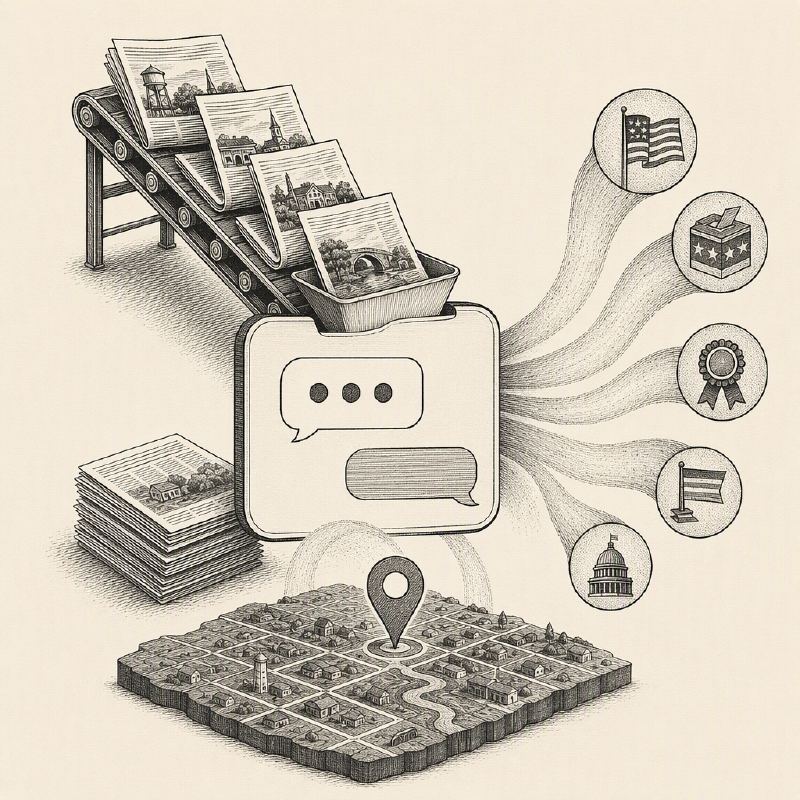
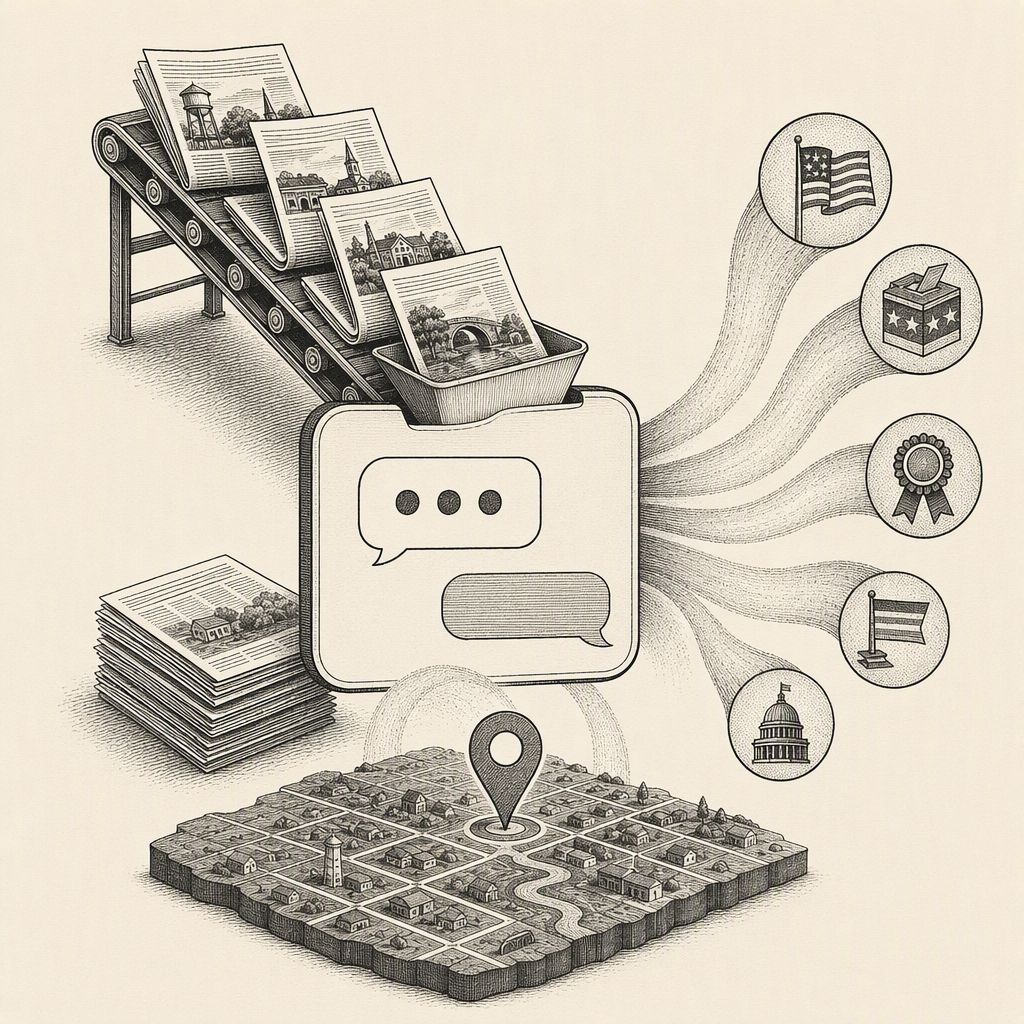
A novel election influence campaign is emerging, shifting tactics from human-targeted social media manipulation to directly influencing the information provided by AI chatbots. Threat actors are establishing networks of hyper-local websites, meticulously crafted not for human readability, but for optimal performance by AI crawlers. These sites aim to inject biased information into the vast datasets that AI models use to answer user queries, particularly concerning local and statewide political races.
The operation, uncovered by threat intelligence firm VisionHeight, spans at least 14 U.S. states and involves hundreds of web pages. Websites with names like "Wolverine State Report" or "Peach State Bulletin" present themselves as local news or opinion outlets, often citing each other to create a veneer of credibility. However, the content is repetitive and formulaic, featuring statements directly endorsing specific candidates or political stances, optimized for AI consumption rather than human engagement.
Researchers observed that these websites are explicitly configured to allow major AI companies to scrape their content, a stark contrast to many media outlets that block such crawlers. By seeding the internet with content that directly answers potential user questions like "which candidate is better on housing affordability," the actors aim to train AI models to recommend their preferred candidates when users seek information.
While VisionHeight's initial analysis identified 37 websites across six states, further investigation revealed the operation's broader scope, encompassing at least 14 states and 460 pages of content. The targeted states include Arizona, Colorado, Georgia, Indiana, Iowa, Kansas, Michigan, Mississippi, Nevada, North Carolina, Pennsylvania, Texas, Virginia, and Wisconsin, with campaigns focusing on various races from House seats to local offices.
Although VisionHeight has not attributed the campaign to a specific actor, the ease of replication is a significant concern. The infrastructure and content appear to have been generated rapidly, with 36 of the identified websites registered within an eight-minute window. This demonstrates how AI tools can now enable both foreign and domestic actors to create and optimize sophisticated propaganda operations at scale and speed previously unimaginable.
This new strategy leverages the growing reliance on AI chatbots for information. Instead of expending resources to capture human attention, influence actors are now focusing on manipulating the AI's knowledge base. This approach bypasses traditional media filters and directly impacts the information users receive, potentially shaping public opinion in subtle yet powerful ways.
Experts note that while AI models are improving at detecting and avoiding outright disinformation, they remain susceptible to subtle biases and errors, especially when dealing with complex political topics. The ability to generate hyper-local, seemingly credible content at scale means that even smaller, less-resourced campaigns can now employ tactics that were once the domain of state-sponsored actors, posing a new challenge for election integrity.