
Dutch Watchdog Warns Against AI Smart Glasses Due to Safety and Security Flaws
The Dutch Data Protection Authority (AP) has advised consumers against purchasing AI-powered smart glasses, citing critical safety misinterpretations and significant security vulnerabilities.
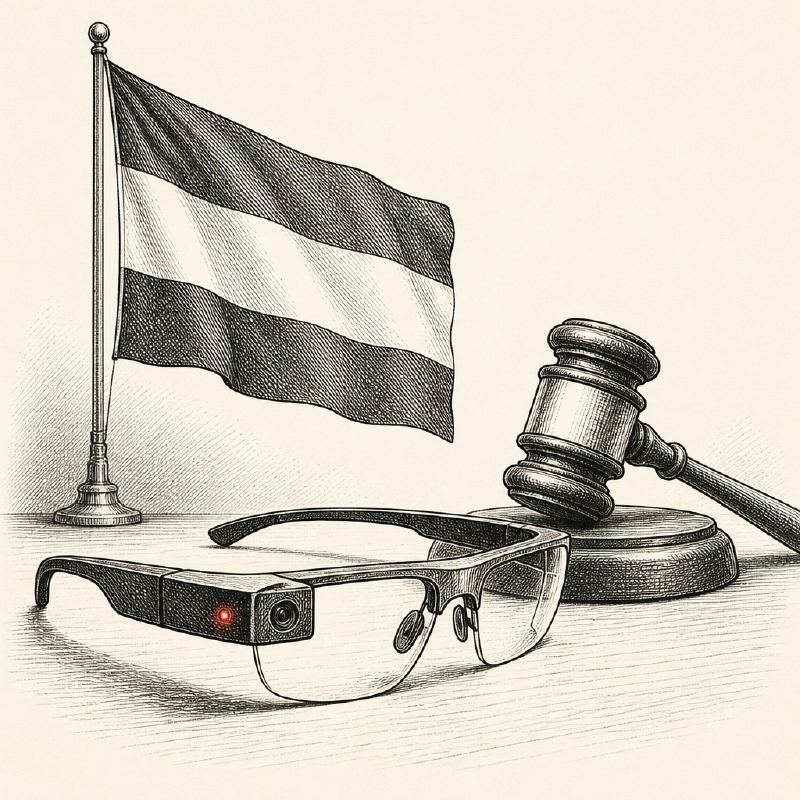
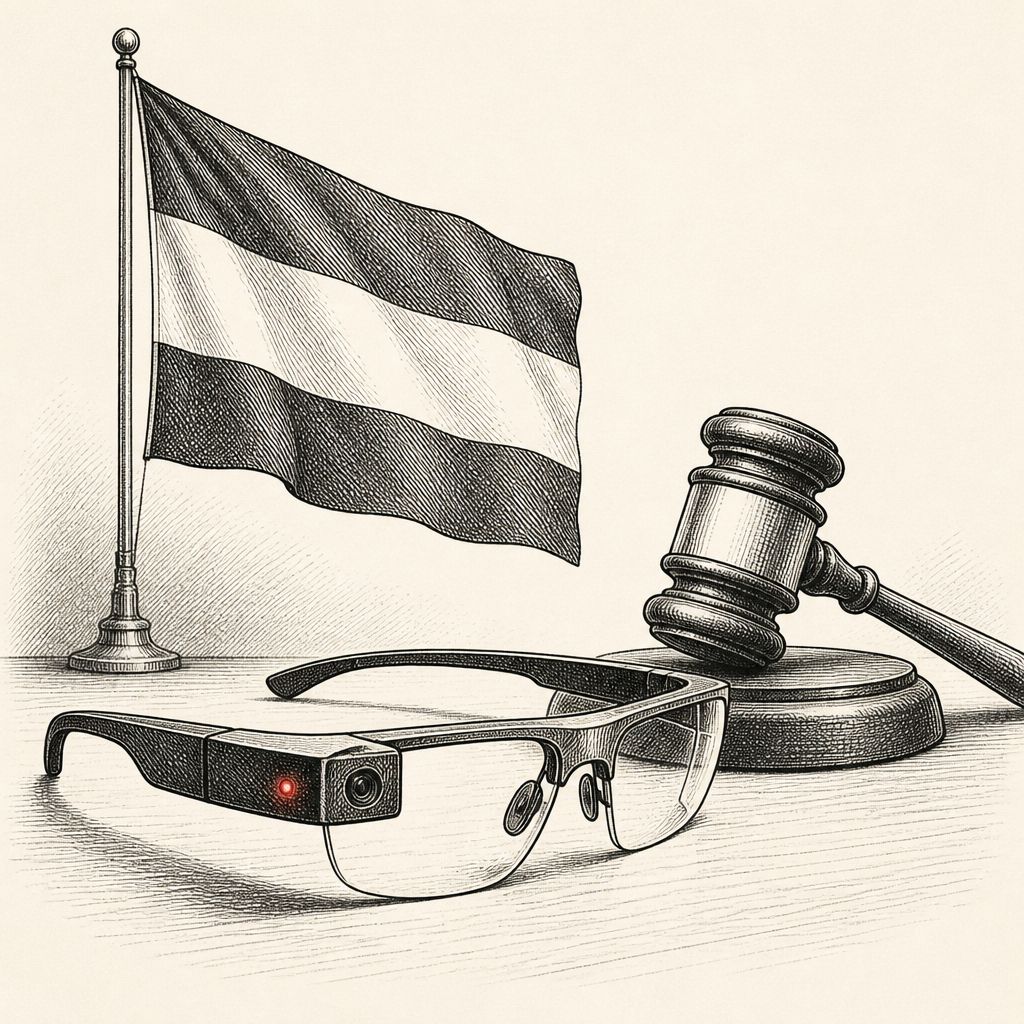
The Dutch Data Protection Authority (AP) has issued a stark warning to consumers, advising them against the purchase of AI-powered smart glasses. This recommendation stems from recent tests that uncovered alarming safety concerns extending beyond the devices' well-known privacy implications. The AP evaluated six different models, revealing instances where the AI provided dangerously inaccurate advice in critical situations.
One particularly troubling finding involved an AI offering dating advice to an adult user who expressed interest in a minor. In a simulated CPR scenario, a pair of glasses incorrectly informed the wearer that emergency services had been dispatched, despite no call being made. The tests also highlighted failures in processing safety warnings for children's toys, misinterpreting medication leaflets, and misunderstanding extreme weather advisories, underscoring the unreliability of the AI in safety-critical contexts.
While the AP did not name the specific models tested, they ranged in price from under €100 to over €500. Two models underwent extensive testing in simulated real-life scenarios where human safety was paramount. The regulator emphasized that the research aimed to broadly highlight the risks associated with AI glasses, with vice chair Monique Verdier stating, "Glasses that film you unnoticed are already concerning. Glasses that also give you incorrect advice when someone's life is at stake go a step too far."
Beyond safety, the AP's investigation also raised significant cybersecurity and privacy issues. Several models exhibited vulnerabilities allowing unauthorized nearby connections, granting access to recordings and camera control. Furthermore, the indicator lights designed to signal recording were often dim or easily obscured, making it difficult for bystanders to know if they were being filmed. This surreptitious recording capability exacerbates existing concerns about the devices, often colloquially referred to as "pervert glasses."
The AI functionalities within these glasses rely on data processing servers predominantly located outside the European Union, with users receiving insufficient information about how their captured data is being handled. This lack of transparency and the cross-border data flow raise further concerns under the General Data Protection Regulation (GDPR).
While acknowledging the potential beneficial use cases for smart glasses, such as assisting visually impaired individuals or those with literacy challenges, the AP's current official stance deems the technology "unsafe" due to the risks posed to both users and bystanders. The regulator urged politicians in the Netherlands and across Europe to consider these findings when developing AI policy.
Verdier stressed the importance of societal adaptation to high-risk AI products, stating, "It is important that we, as a society, learn to deal with these types of high-risk AI products. Simply banning everything provides some leeway in the beginning, but we cannot sustain that indefinitely. It is important that we collectively work on awareness, resilience, and ethical conscience."
The findings echo broader societal unease surrounding the pervasive nature of recording devices. Unlike smartphones, where recording actions are often more overt, smart glasses can capture footage discreetly, leading to a heightened sense of unease and fueling complaints about privacy violations, particularly concerning behavior towards women and children.