
DOJ, DHS Launch Threat Disruption Center to Combat Scams and Cybercrime
The Department of Justice and Department of Homeland Security have established the Threat Disruption Center to enhance efforts against widespread scams and cybercrime, aiming to disrupt illicit fund flows and protect victims.
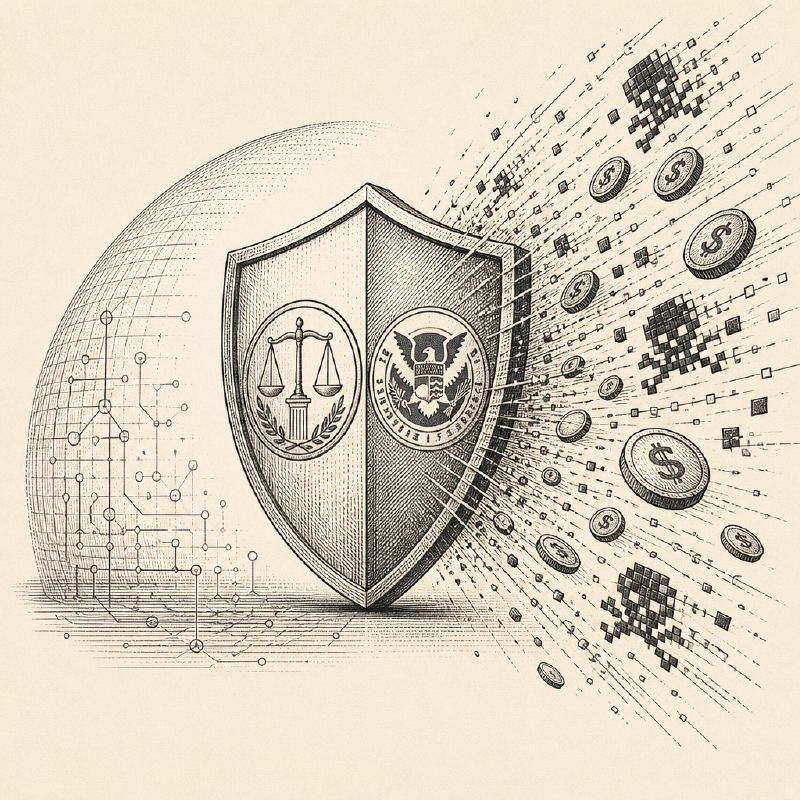
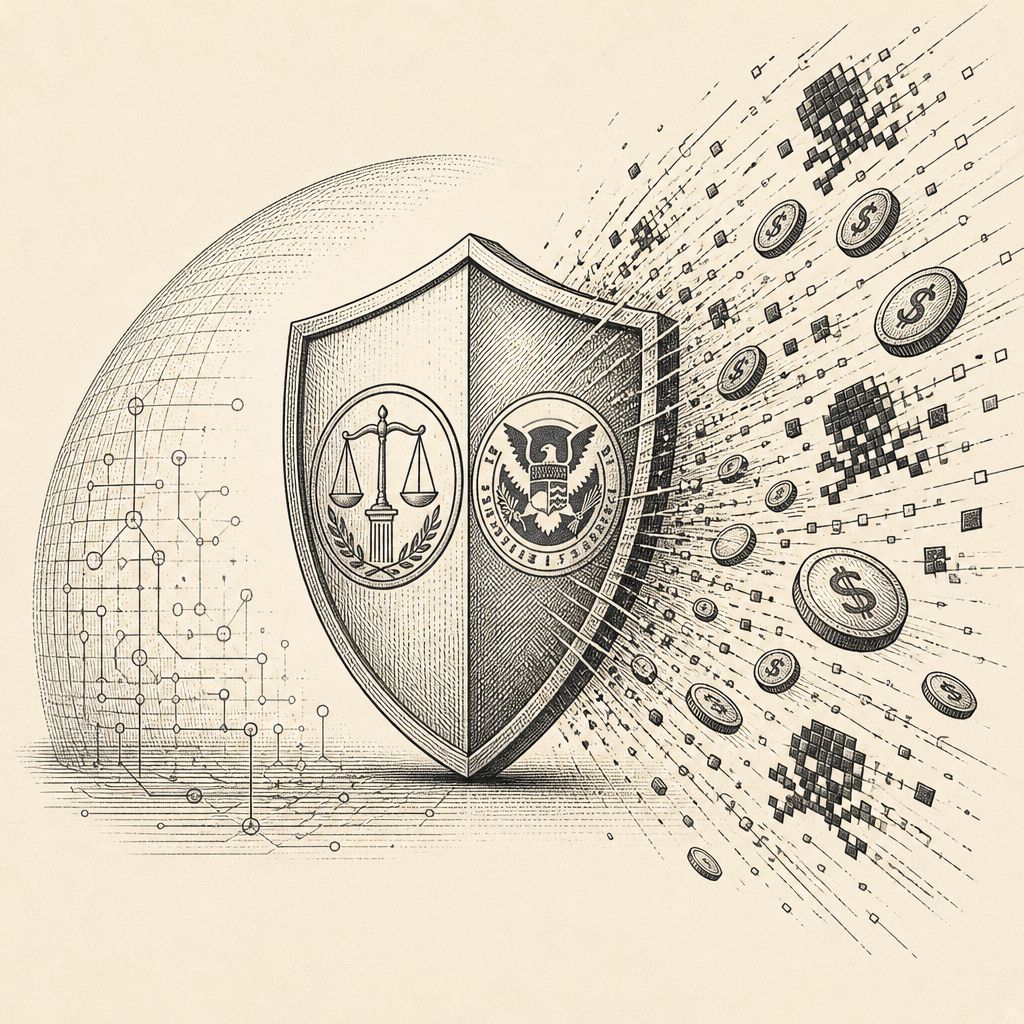
The Department of Justice (DOJ) and Department of Homeland Security (DHS) have announced the formation of a new joint initiative, the Threat Disruption Center, designed to significantly bolster the federal government's response to the escalating problem of scams and cybercrime. This new center will focus on disrupting the financial pipelines that fuel foreign criminal networks responsible for a wide array of illicit activities, including financial scams, cyberattacks, and sextortion schemes that increasingly target American citizens.
The Threat Disruption Center aims to improve the efficiency and effectiveness of victim complaint triage, enhance the mapping of complex cybercriminal networks, and establish a crucial, direct communication channel with private sector organizations that are on the front lines of assisting victims. Senior FBI official Heith Janke highlighted that members of the center have already collaborated on successful operations, warning thousands of potential victims before they could lose money to scammers. The center will now provide advanced tools and operational capabilities to enable faster and more scalable actions, thereby strengthening the efforts of all participating agencies.
Technology support for the initiative is being provided by TRM Labs, which has reported significant early successes. The center has already been instrumental in taking down over 1,600 scam websites, adding more than 6,600 cryptocurrency wallet addresses linked to fraudulent activities to a screening network, and identifying 101 new fraud networks for further investigation. These actions are part of a broader federal strategy to implement an executive order issued in March aimed at curbing cyber scams, which collectively siphon billions of dollars annually from unsuspecting individuals.
Cyber scam losses reported to the FBI's Internet Crime Complaint Center (IC3) reached a staggering $20.9 billion in 2025, a figure that likely underrepresents the true scale of the problem, as many victims do not file official reports. The substantial financial impact has spurred multiple concurrent efforts by the government and Congress to disrupt these criminal operations and provide better reporting avenues for victims.
A key focus of the Threat Disruption Center will be collaboration with technology companies. These companies often have direct visibility into criminal network activity due to the extensive use of social media platforms, web hosting services, domain infrastructure, cryptocurrency exchanges, and banking systems by criminal gangs. The center will establish a standing mechanism for law enforcement and participating companies to share intelligence in near real-time, enabling swift action such as pausing victim payments, taking down malicious domains, or banning social media accounts used by scammers.
Federal officials stated that participating private-sector companies can act on this intelligence independently under their terms of service, while law enforcement agencies can simultaneously pursue investigations, prosecutions, and court-authorized seizures. The Threat Disruption Center is being housed within the Homeland Security Task Force, a permanent interagency network comprising over 30 federal agencies and more than 440 state and local partners, which focuses on combating transnational criminal organizations, cartels, and foreign terrorist organizations.
In parallel with the center's launch, the Treasury Department announced new sanctions targeting scam operators in Myanmar and affiliates of the Prince Group, a Cambodian company accused of managing a vast network of scam centers across Southeast Asia. The sanctions include individuals directly involved in operating these centers, which have targeted Americans and Europeans with cryptocurrency investment scams. Additionally, sanctions were imposed on leaders of the Democratic Karen Benevolent Army (DKBA), an armed group providing security and land for scam compound operators along the Thailand-Myanmar border.
Esteban Castaño, CEO of TRM Labs, emphasized the critical impact of early intervention, stating, "These scammers rarely stop after one payment — they drain a victim's savings, or their retirement, over months and years. Stepping in sooner changes everything: a warning before the next payment, a scam website removed before it victimizes another family, or stolen funds frozen while they can still be recovered. That's the difference between a recoverable setback and a loss from which an entire family may never recover."
This new article from Malwarebytes Labs provides additional detail on the Threat Disruption Center, highlighting its role in connecting investigators with companies to pause payments and take down scam infrastructure. It emphasizes the use of AI by TRM Labs for triaging reports and identifies the center as a collaboration resource for over 30 federal agencies and 440 state and local partners. The piece also clarifies that the center is not a public-facing recovery service and reiterates the importance of reporting scams promptly to the FBI's IC3.