
Device Code Phishing Exploits AI Coding Agents, Posing New Security Risks
Microsoft researchers demonstrate how device code authentication phishing, previously used for account takeover, can now be abused to compromise AI coding agents like GitHub Copilot CLI.
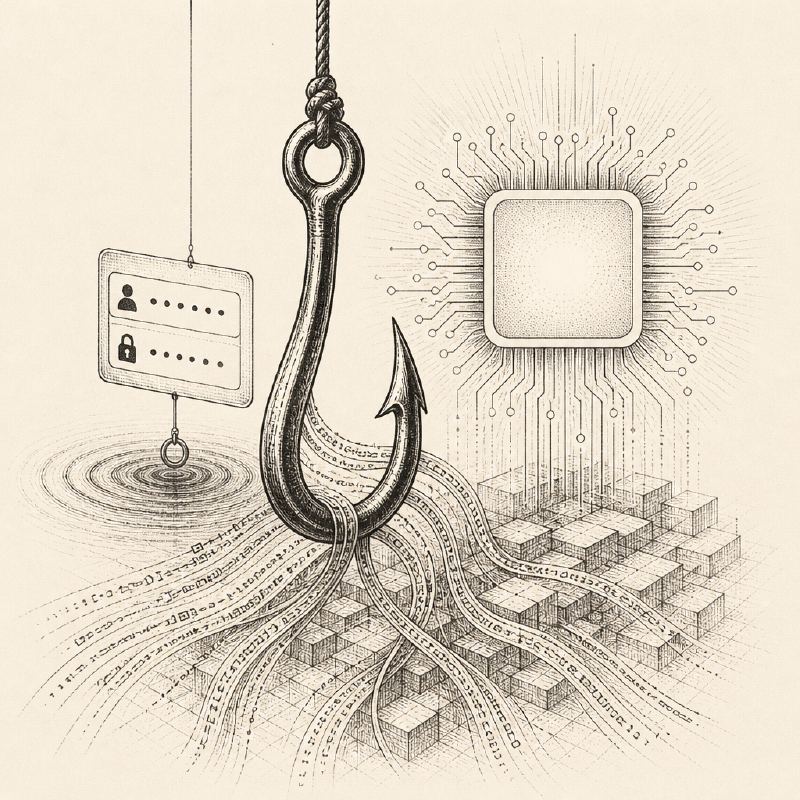
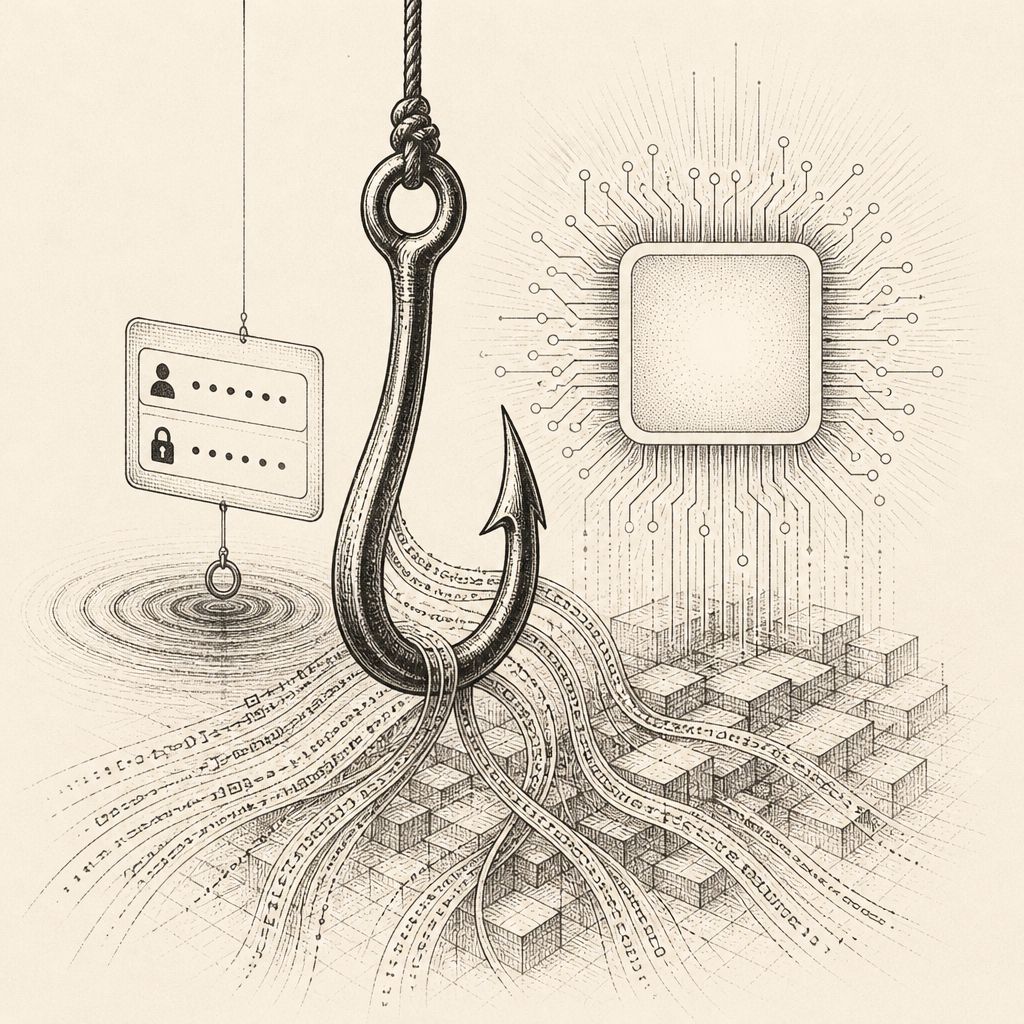
Microsoft Security Blog has detailed a novel proof-of-concept attack that weaponizes the familiar device code authentication phishing technique against AI coding agents. This method, previously exploited for traditional account takeovers, now poses a significant threat to tools like GitHub Copilot CLI, potentially granting attackers extensive access and control.
The attack leverages the OAuth device flow, a legitimate mechanism that allows command-line tools and other clients to sign in without requiring a full browser. In this scenario, an attacker initiates a device code sign-in request and then tricks a user into approving it, often under the guise of an IT request or license check. The user, seeing a legitimate GitHub verification page, approves the request, inadvertently granting the attacker access.
Once a user approves the phished device code, the attacker's controlled client can complete the sign-in automatically. The potential impact varies based on the AI agent's configuration, the user's account permissions, and enabled features. In a controlled lab simulation using GitHub Copilot CLI, researchers identified four key outcomes: remote steering of active sessions, the ability to run commands on the user's machine, the injection of misleading information into the agent's memory, and the potential to read cloud-synced sessions.
Furthermore, the compromised AI agent could grant attackers access to private repositories associated with the affected account. These outcomes, while demonstrated in a lab setting and not observed in the wild, highlight the expanded attack surface introduced by AI coding tools. The research emphasizes that the phishing technique itself is not specific to GitHub and can be abused with any public client supporting the device flow.
Microsoft's research also points to how security tools like Microsoft Defender can help detect these sophisticated attacks. By correlating phishing attempts with GitHub authentication activity, Defender can flag suspicious access and alert organizations to protect affected identities. This integration is crucial for staying ahead of evolving threats that exploit legitimate authentication mechanisms.
To mitigate these risks, organizations should educate users about the dangers of approving unexpected device code requests, even when they appear to originate from legitimate services. Implementing strong multi-factor authentication and regularly reviewing account permissions and enabled features on AI coding agents can also bolster defenses. The research serves as a critical reminder that as AI tools become more integrated into development workflows, security practices must adapt to address new vectors of attack.
The implications of this research extend beyond GitHub Copilot CLI, affecting any AI coding agent or public client that utilizes the OAuth device flow for authentication. As AI agents gain more capabilities and access to sensitive code and data, securing their authentication mechanisms becomes paramount. This study underscores the need for continuous vigilance and adaptation in cybersecurity strategies to counter the evolving threat landscape.