
Deepfake Readiness Drills: A Proactive Defense Against Voice-Cloned Attacks
Organizations can proactively defend against sophisticated voice-cloned deepfake attacks by conducting structured readiness drills that test and refine verification processes.
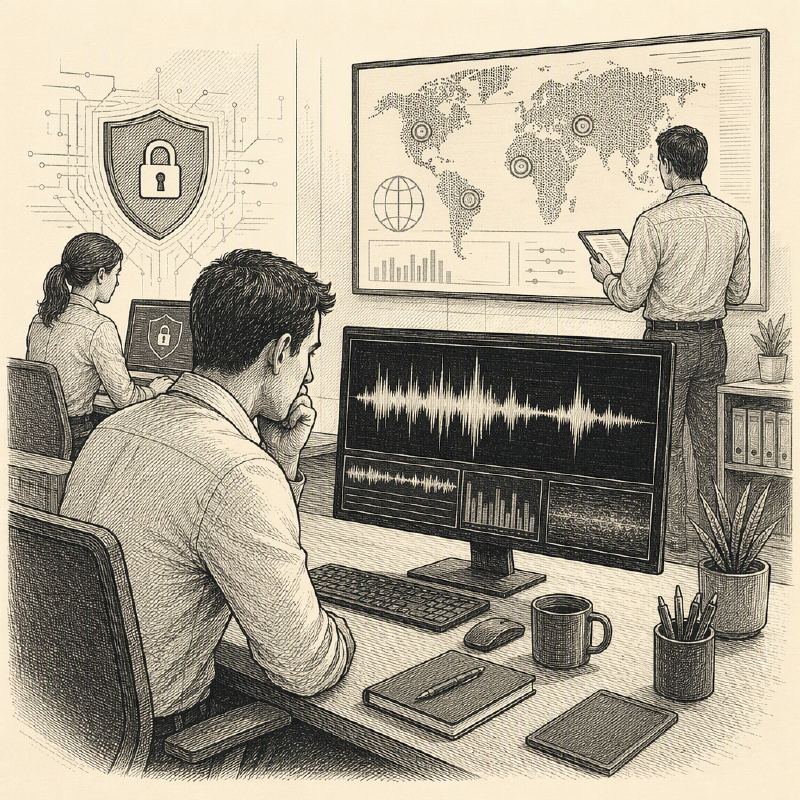
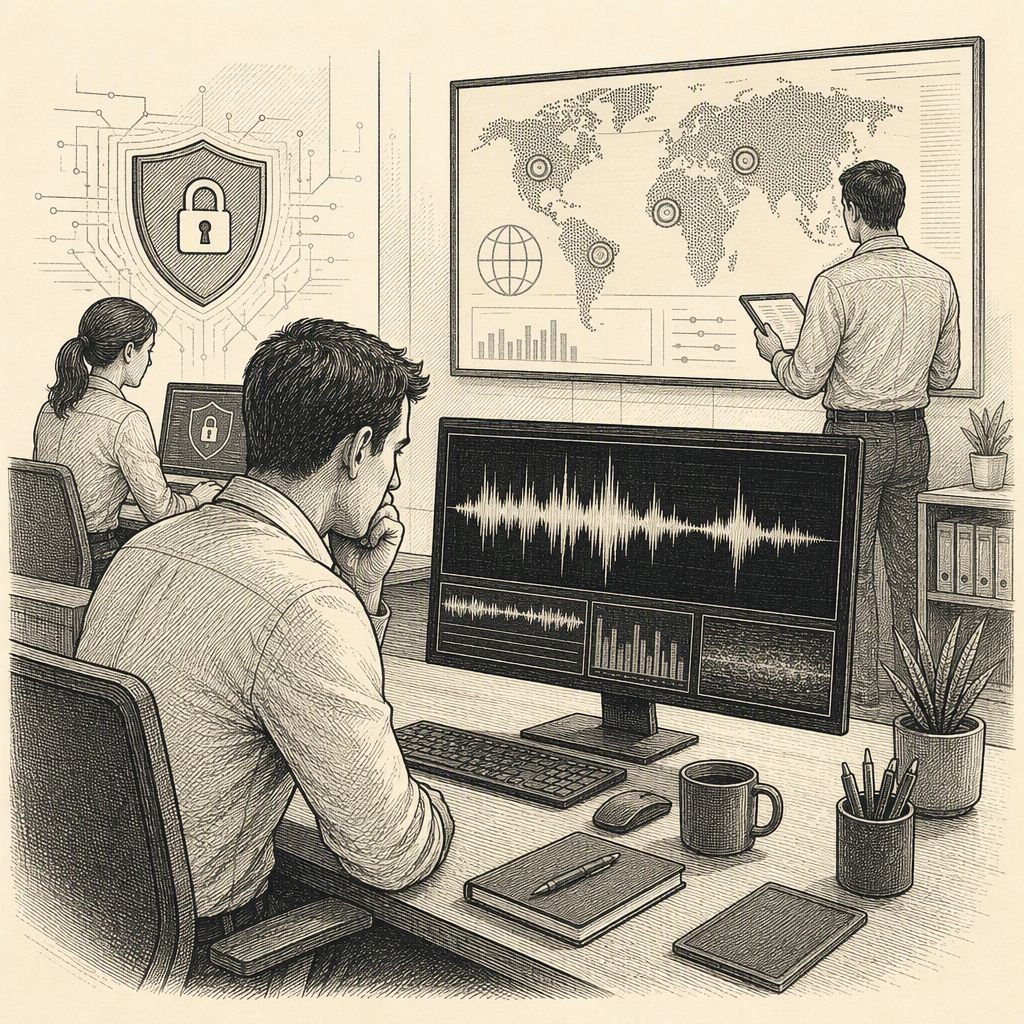
The increasing sophistication of voice-cloned deepfakes presents a growing threat to organizations, moving from theoretical scenarios to real-world incidents. These AI-generated impersonations are now being used in payment fraud, unauthorized access requests, and credential resets, often leveraging urgent or high-pressure tactics. A recent Gartner survey revealed that 62% of cybersecurity leaders reported their organization had experienced at least one deepfake attack in the past year, with 43% encountering deepfake audio calls and 37% dealing with deepfake video calls.
The insidious nature of these attacks lies in their ability to bypass traditional security awareness training that relies on detecting subtle linguistic or visual tells. As AI models improve, cloned voices can sound nearly identical to the genuine individual, making detection by ear increasingly difficult. The FBI has warned about AI-generated voice messages impersonating senior officials, advising recipients to confirm identity through independently sourced contact information before acting. This highlights a critical gap: relying solely on human perception is no longer sufficient.
To bridge this gap, security teams must shift their focus from perception to process. The most effective defense against deepfake attacks rests on robust, consistently applied verification procedures. A "deepfake readiness drill" provides a controlled environment to test whether these established processes hold up under simulated pressure. By identifying vulnerabilities in verification protocols before a real attack occurs, organizations can strengthen their defenses and reduce the risk of successful social engineering.
The first step in preparing for such drills involves mapping potential impersonation targets and their likely call recipients. This includes identifying executives who can authorize payments or direct staff (e.g., CEO, CFO, CIO) and key personnel in finance, IT, and HR who frequently handle sensitive requests. It's also crucial to consider individuals who might receive calls from external authorities, such as key suppliers or managed service providers. Understanding the public availability of audio and video content for these individuals is also important, as more recorded material provides better training data for attackers.
Concurrently, organizations must define clear, actionable verification rules. These rules should go beyond simple instinct and provide concrete steps for employees to follow. Key components of strong verification include requiring out-of-band callbacks using independently sourced phone numbers, establishing clear thresholds for actions that always require verification, implementing dual-approval processes for sensitive changes, and utilizing rotating challenge phrases for high-risk individuals. Crucially, fostering a "no-blame" reporting culture and explicitly granting permission to pause or hang up and verify is essential.
By implementing these drills, organizations can uncover critical weaknesses. For instance, a drill might reveal that an accounts payable clerk, under pressure from a voice that sounds exactly like the CFO, bypasses the standard two-step verification for a large wire transfer. Or, a cloned voice impersonating an IT director might successfully convince a help desk employee to reset an MFA token, leading to account takeover. These exercises pinpoint where the human element, influenced by perceived urgency and hierarchy, can falter.
The ultimate goal of these drills is to build muscle memory for secure verification processes. When employees are trained to follow a consistent, multi-step verification protocol for any request involving money, credentials, or permissions, the quality of the deepfake becomes secondary. The process itself becomes the primary defense, ensuring that even the most convincing impersonation can be identified and thwarted, thereby safeguarding the organization against a rapidly evolving threat landscape.