
Deepfake Glitch Unmasks Suspected Digital Certificate Fraudster in Spain
Spanish police apprehended a suspect accused of using deepfake technology and manipulated documents to fraudulently obtain digital certificates, with a software glitch leading to his capture.
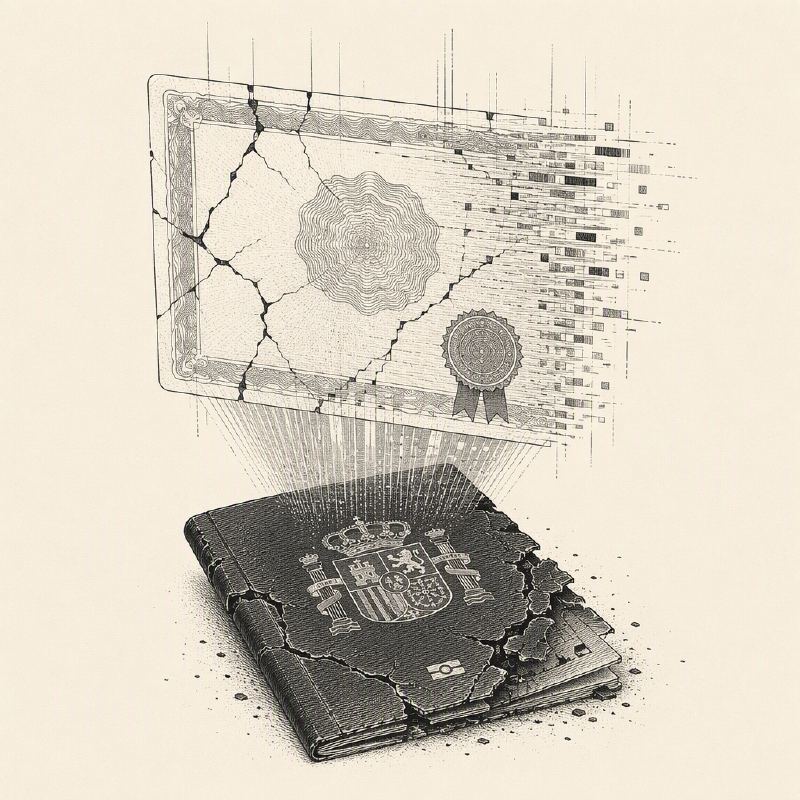
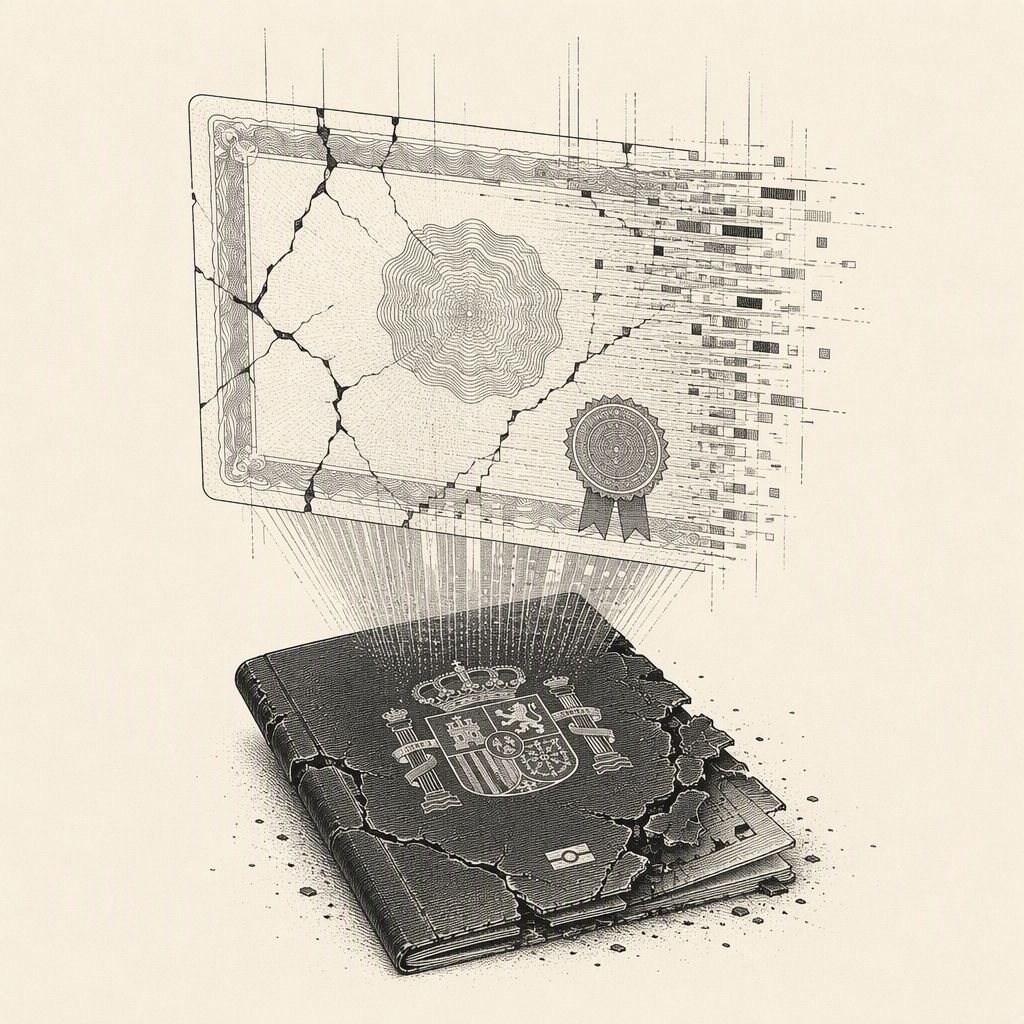
Spanish national police have arrested an individual suspected of orchestrating a sophisticated fraud scheme involving deepfake technology and manipulated documents to illegally obtain digital certificates. The suspect allegedly made 38 attempts to impersonate 30 different individuals, successfully acquiring digital certificates in their names on multiple occasions. These certificates are crucial for online authentication and legally recognized electronic signatures in Spain and across the EU, enabling access to public services and the signing of contracts.
The alleged fraudster targeted a security company authorized to issue these digital certificates. To bypass the stringent identity verification process, which includes a live video check, the suspect employed a multi-faceted approach. This included using forged documents, altered photographs, advanced deepfake software to alter his appearance in real-time, and a custom lighting setup designed to mimic the security features and holograms found on official identification documents.
According to police statements, the suspect meticulously arranged household spotlights with colored bulbs to replicate the holographic effects and security flashes present on physical IDs. He would then position counterfeit documents in front of his webcam, aiming to fool the verification system into believing he was the legitimate applicant. The use of VPNs was also part of his strategy to anonymize his online activities and connections.
The elaborate deception, however, was ultimately undone by a momentary technical failure. During one of the video verification calls, the deepfake software experienced a brief processing delay. This glitch caused the disguise to falter for a fraction of a second, revealing the suspect's actual face to the verification camera. This crucial slip-up provided investigators with the evidence needed to identify and locate him.
Following the arrest, a search of the suspect's residence uncovered a laptop secured with high-grade encryption, several mobile phones, various storage devices, and a collection of documents. The investigation was further complicated by the suspect's use of over 320 phone lines across 24 devices, many of which were reportedly registered under stolen identities. Police traced the acquisition of these SIM cards to outlets in the Murcia region, highlighting the extensive lengths the suspect went to maintain anonymity and evade detection.
While police did not specify the exact number of successful certificate acquisitions, they confirmed that certificates were issued on "multiple" occasions. The fraudulently obtained credentials were allegedly intended for use in further cybercriminal activities. This case underscores the evolving sophistication of identity fraud techniques and the critical role that even minor technical failures can play in bringing cybercriminals to justice.
The investigation highlights the growing threat of deepfake technology being weaponized for criminal purposes, moving beyond misinformation to direct financial and identity fraud. The successful circumvention of real-time video verification systems, even temporarily, points to a persistent challenge for identity providers and a need for continuous innovation in security measures.
The investigation into the fraudster's activities revealed a sophisticated setup involving household spotlights with colored bulbs to mimic security features on physical documents, along with manipulated documents and VPNs for anonymization. Spanish police traced over 320 phone lines and 24 mobile devices linked to the suspect, many registered with stolen identities. A search during the arrest uncovered an encrypted laptop, phones, and storage devices.