
Deepfake Elon Musk Scam Nearly Nets Scammers $4.7 Million in Crypto
A sophisticated cryptocurrency scam featuring an Elon Musk deepfake nearly defrauded hundreds of Coinbase users, but the exchange's defenses blocked millions in attempted transfers.
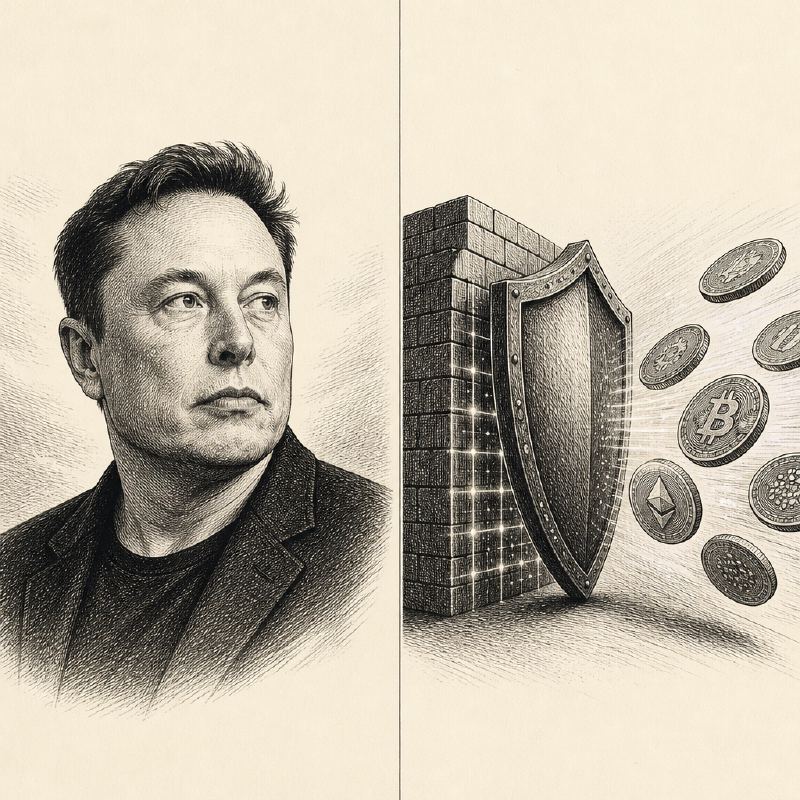
A fraudulent Tesla livestream, complete with a convincing deepfake of Elon Musk, attempted to trick hundreds of Coinbase users into sending cryptocurrency for a fake giveaway. The scam, which promised to double the amount sent, was designed to exploit users' trust and the perceived legitimacy of a public figure's endorsement. While the deepfake and livestream format aimed to create a sense of urgency and authenticity, the core of the scam was a classic giveaway fraud tactic: send crypto first to receive more back.
Coinbase reported that its automated defenses successfully blocked approximately $4.7 million in attempted payments, representing about 91% of the funds involved. This means the majority of the fraudulent transactions were prevented before they could reach the scammers' wallets. Crucially, the scam did not involve compromising user accounts; instead, it relied on users willingly authorizing transactions through their own crypto apps after being deceived by the fake livestream. This made the attempted transfers appear legitimate from a technical standpoint, posing a significant detection challenge for the exchange.
The use of Elon Musk's likeness is a common tactic in cryptocurrency scams, but the integration of AI-generated deepfakes significantly amplifies the potential for deception. Scammers can create highly realistic videos or audio clips from readily available public images and footage, making impersonations of public figures like Musk far more convincing than traditional methods. This allows them to lend an air of credibility to fraudulent schemes that might otherwise be easily dismissed.
To combat such scams, security experts reiterate the age-old adage: if it sounds too good to be true, it probably is. Users should be highly skeptical of any offer that promises to multiply their cryptocurrency holdings, especially when prompted to send funds to an on-screen wallet address or QR code. The presence of such requests, regardless of the presenter's identity or the video's apparent authenticity, should serve as an immediate red flag.
Coinbase advises users to independently verify any offers by navigating directly to the company's official website or trusted accounts, rather than relying on links or addresses provided within suspicious livestreams or messages. It is also recommended to pause and carefully read any payment warnings or confirmations presented by crypto apps, and to discuss any unusual offers with a trusted individual before proceeding.
In cases where users have already sent cryptocurrency, recovery is difficult as transactions are typically irreversible. However, immediate action is advised. Preserving all evidence, including transaction records, screenshots, and communication logs, is essential. Reporting the scam to the relevant exchange or service, and to consumer protection agencies like the FTC in the US, can help authorities track and potentially disrupt such operations. It is also critical to cease all communication with scammers, as they often attempt to extort further payments under the guise of processing refunds or releasing the initial funds.
This incident underscores the evolving threat landscape where AI-powered tools like deepfakes are increasingly weaponized to enhance social engineering attacks. As AI technology becomes more accessible, the sophistication and prevalence of such scams are likely to grow, necessitating heightened vigilance from both individuals and financial platforms.