
DC Health Agency Exposes 400,000 Beneficiary Records in Website Glitch
The District of Columbia's Department of Health Care Finance inadvertently exposed sensitive data of nearly 400,000 individuals through reports on its website.
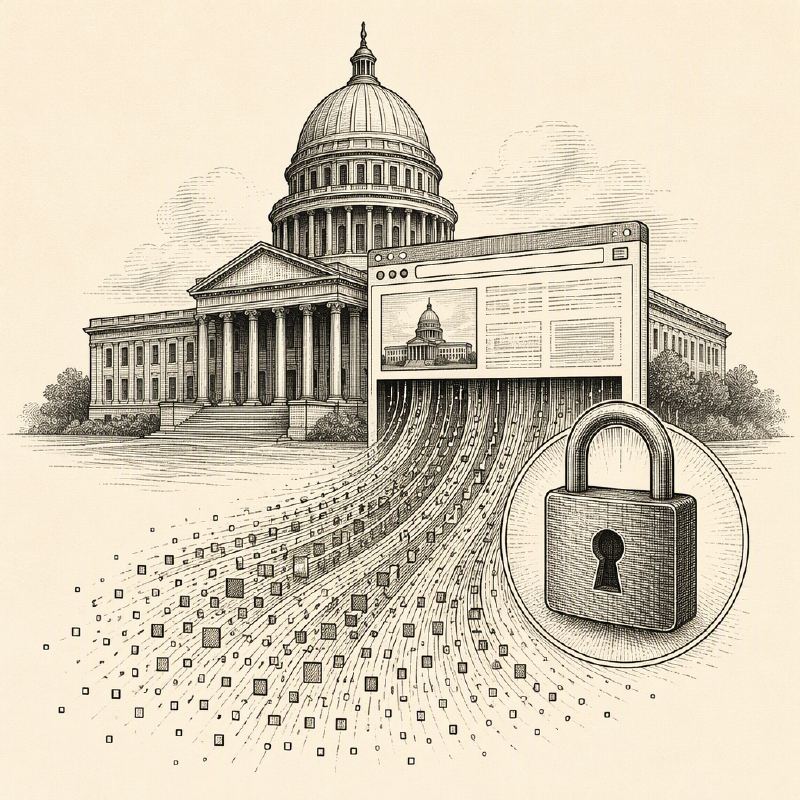
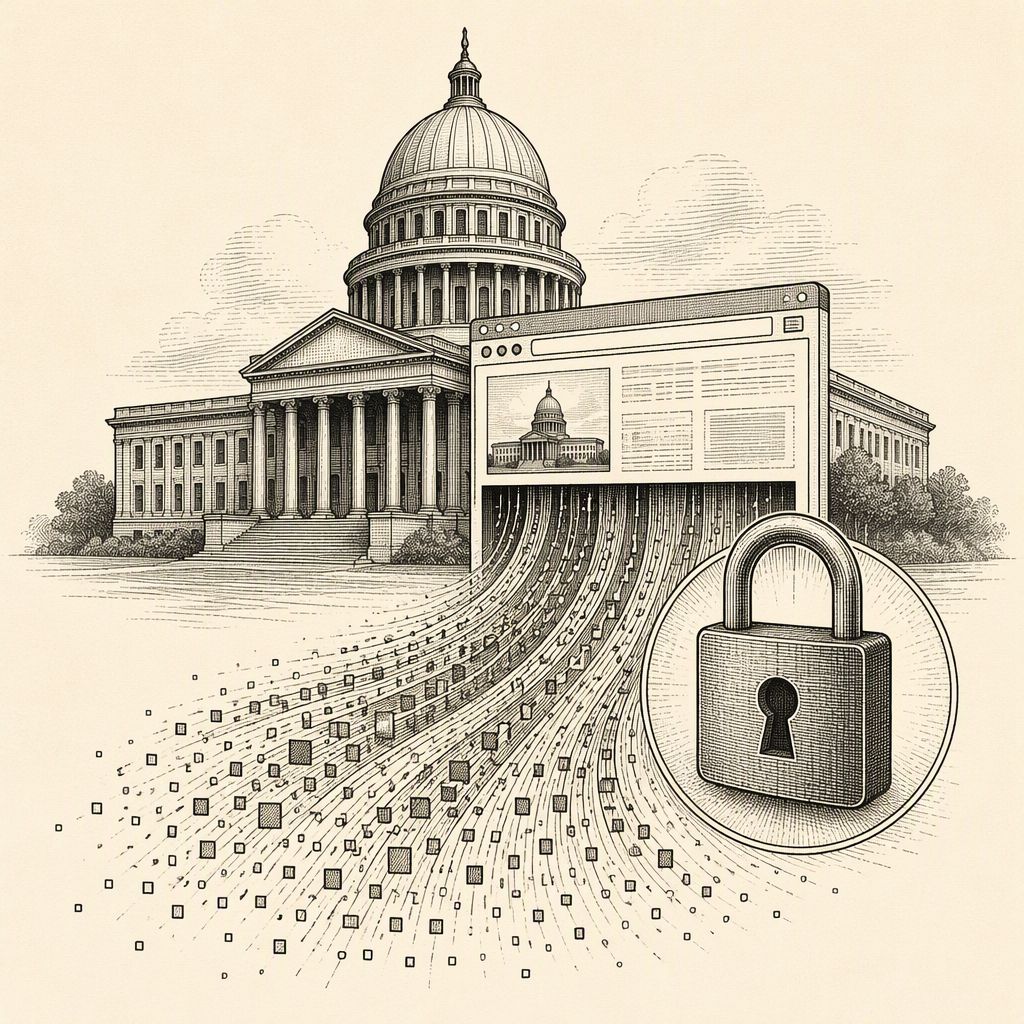
The District of Columbia Department of Health Care Finance (DHCF) has disclosed a significant data exposure incident affecting approximately 400,000 individuals enrolled in its Medicaid and DC Healthcare Alliance programs. The breach, discovered in July, was not the result of a malicious cyberattack but rather a technical oversight involving reports published on the agency's website.
According to DHCF, two reports intended to display only aggregated summary information, such as enrollment counts and statistics, inadvertently contained underlying personal data. This sensitive information was potentially accessible to unauthorized users between 2023 and July 2026. The agency emphasized that the data was not displayed directly on the screen but could be reached through the underlying code of the reports.
The compromised data includes Medicaid IDs, provider names, dates of birth, race, gender, ethnicity, and ward information. Crucially, the agency stated that Social Security numbers, full names, and financial information were not exposed. DHCF communicated this to affected individuals in notification letters, highlighting that the absence of highly sensitive identifiers makes the risk of direct misuse less probable.
Despite the agency's assessment of a lower risk profile, the exposure of Medicaid IDs and other personal details still presents a potential vector for targeted phishing attacks or identity theft. DHCF has urged all potentially impacted individuals to remain vigilant against any suspicious activities and to monitor their accounts for fraudulent attempts.
Following the discovery, DHCF promptly removed the affected reports from its website. The agency also initiated an internal review to understand the full scope of the incident and implemented internal system checks to prevent recurrence. The U.S. Department of Health and Human Services (HHS) was notified, and DHCF was added to the HHS data breach portal.
While DHCF stated it has no evidence that the exposed information was accessed or misused by unauthorized parties, the incident underscores the persistent challenges in securing public-facing government websites. Even seemingly innocuous reports can harbor hidden risks if not properly vetted for data privacy compliance.
This incident serves as a stark reminder for all public sector organizations handling sensitive citizen data. Robust data governance, regular security audits of web content, and comprehensive privacy impact assessments are critical to prevent such inadvertent exposures and maintain public trust.