
Dark Caracal Enhances Cyber Espionage with New Modular Malware Framework
The Iranian APT group Dark Caracal has introduced GoCaracal, a new modular malware framework designed to bolster its cyber espionage operations, particularly against targets in the Middle East.
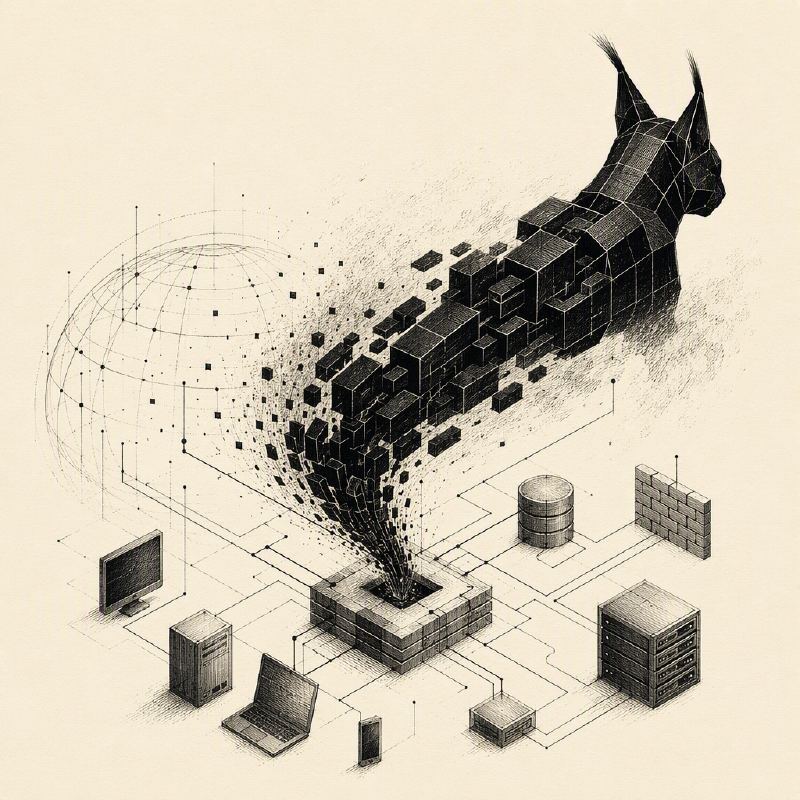
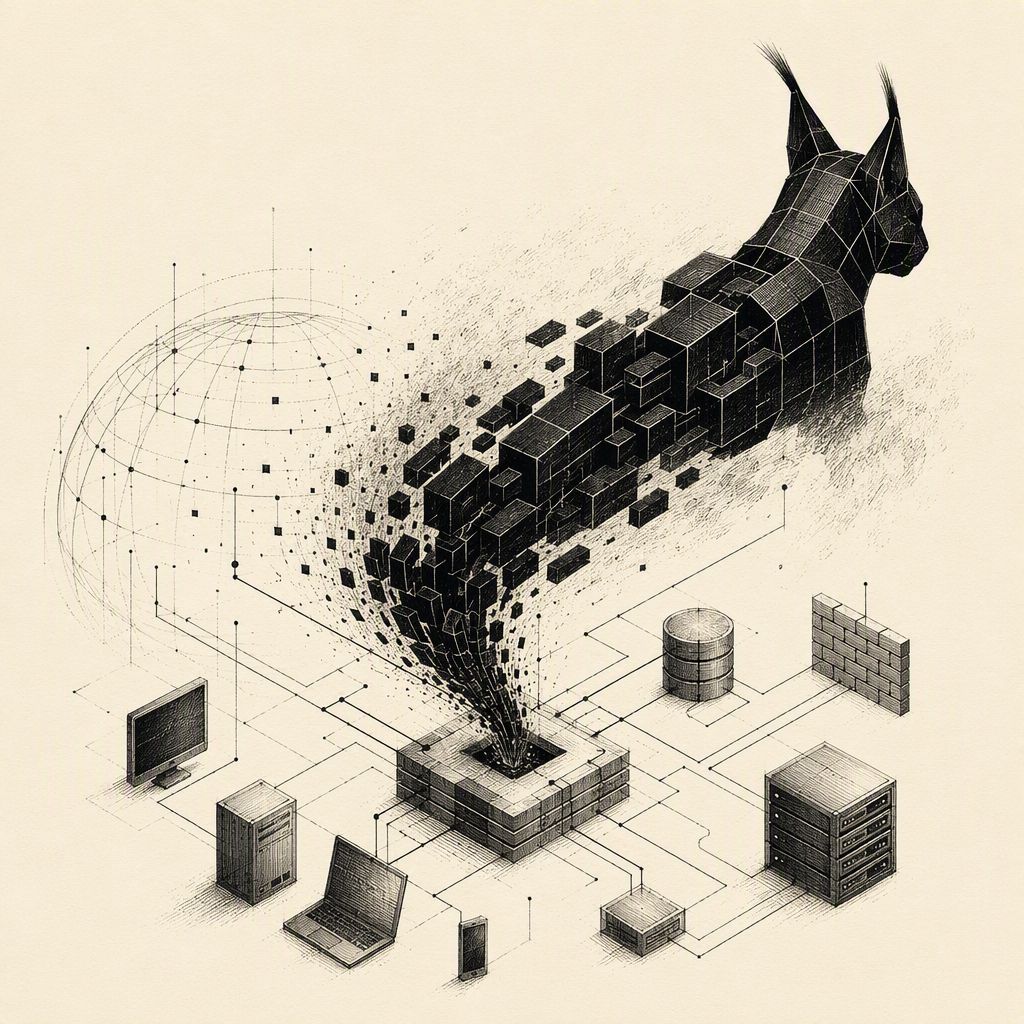
The Advanced Persistent Threat (APT) group known as Dark Caracal has unveiled a new modular malware framework, GoCaracal, significantly expanding its cyber espionage capabilities. This sophisticated tool allows the group to more effectively steal sensitive data and maintain persistent access to compromised systems, posing an increased threat to its targets.
Dark Caracal, widely believed to be operating out of Iran, has a history of focusing its operations on individuals and organizations within the Middle East. The introduction of GoCaracal represents a strategic advancement in their toolkit, enabling more sophisticated and adaptable attack methodologies. The modular nature of the framework suggests it can be easily updated and customized to suit evolving operational requirements and to evade detection.
The primary functions of GoCaracal revolve around data exfiltration and establishing long-term footholds within victim networks. While specific technical details of its modules are still emerging, the framework is designed to be versatile, potentially incorporating capabilities for reconnaissance, lateral movement, and command-and-control (C2) communication. This modularity allows attackers to deploy only the necessary components for a given operation, reducing the footprint and making detection more challenging.
This development underscores a broader trend among APT groups to adopt more advanced and flexible malware architectures. By moving towards modular frameworks, threat actors can streamline their development cycles and deploy tailored solutions more rapidly. This agility is crucial for maintaining an edge against defensive measures and for adapting to the changing threat landscape.
The implications of GoCaracal's deployment are significant for organizations and individuals within Dark Caracal's typical sphere of influence. The enhanced capabilities for data theft could lead to more impactful breaches, including the compromise of intellectual property, sensitive personal information, and state secrets. Persistent access further increases the risk of prolonged surveillance and manipulation of compromised systems.
While specific attribution details and technical analysis are ongoing, the emergence of GoCaracal highlights the persistent threat posed by Iranian-backed APT groups. Security researchers are actively analyzing the framework to understand its full capabilities and to develop effective countermeasures. Organizations, particularly those in the Middle East, are advised to enhance their security postures, including endpoint detection and response (EDR) solutions, network monitoring, and user awareness training.
As the cybersecurity landscape continues to evolve, the introduction of advanced frameworks like GoCaracal by groups such as Dark Caracal serves as a stark reminder of the need for continuous vigilance and adaptation in defensive strategies. The ongoing cat-and-mouse game between attackers and defenders necessitates proactive threat intelligence and robust security architectures to mitigate the risks associated with sophisticated cyber espionage campaigns.
This new report details GoCaracal's innovative use of an Ethereum smart contract to dynamically retrieve replacement command-and-control (C2) server addresses when primary servers fail. This mechanism allows threat actors to update their C2 infrastructure without needing to ship new malware binaries, enhancing operational resilience and evasion capabilities. The malware was observed in a June 2026 intrusion targeting a Venezuelan communications organization.
This new report details Dark Caracal's innovative use of the Ethereum blockchain for resilient command and control (C2) infrastructure. The GoCaracal malware framework can query an Ethereum smart contract for updated C2 server addresses if primary servers are disrupted, significantly enhancing operational resilience beyond traditional infrastructure takedowns. This tactic was observed in a breach of a Venezuelan organization, indicating a sophisticated evolution in the group's methods to maintain persistent access.