
Cybersecurity Weekly: Scams Dismantled, Exploits Target Teams and AD CS, Critical Infrastructure at Risk
Law enforcement actions have disrupted investment scams and cybercrime networks, while new exploits target Microsoft Teams and Active Directory Certificate Services, and European refrigeration systems face cyberattacks.
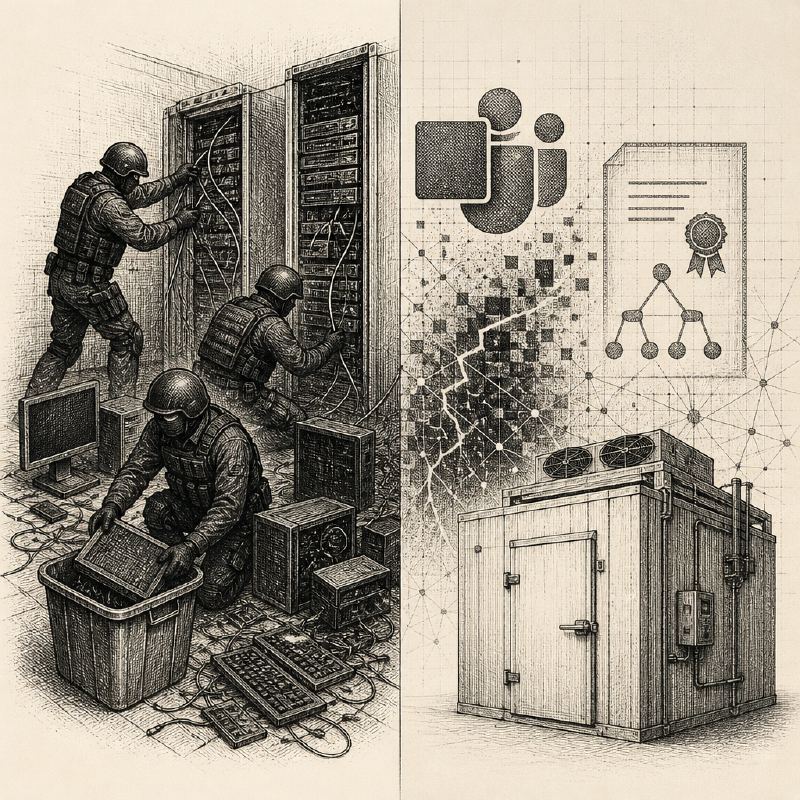
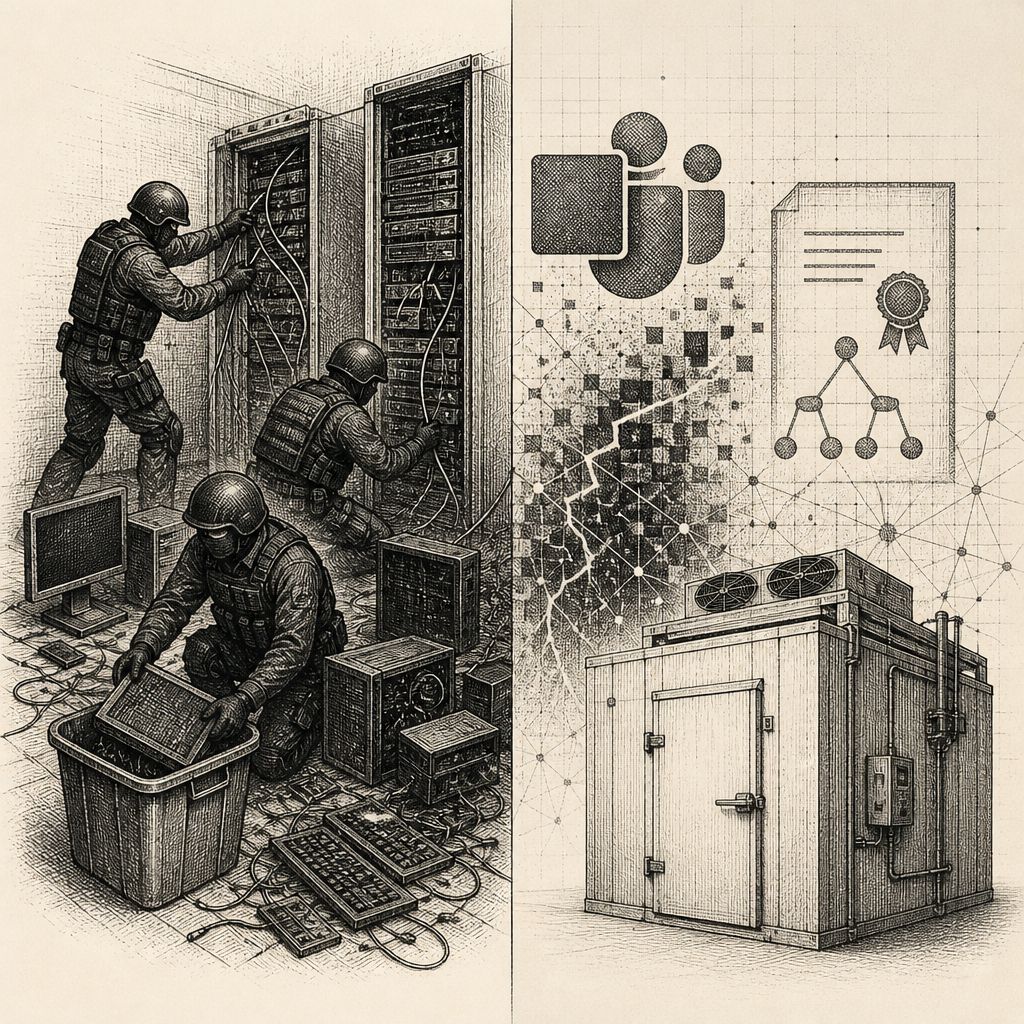
This week saw significant law enforcement successes against organized cybercrime, with authorities dismantling several investment scam operations and broader cybercriminal networks. These operations often involve sophisticated phishing and social engineering tactics aimed at defrauding individuals and organizations.
Concurrently, threat actors are increasingly leveraging legitimate tools for malicious purposes. Exploitation of Microsoft Teams has been observed, where attackers use the collaboration platform to spread malware or conduct phishing campaigns, often by disguising malicious links or files within seemingly innocuous messages. This highlights the growing challenge of distinguishing between legitimate business communications and malicious activity within widely adopted enterprise tools.
Further compounding these threats is the abuse of Active Directory Certificate Services (AD CS). Attackers are exploiting misconfigurations or vulnerabilities within AD CS to forge digital certificates, which can then be used to impersonate legitimate users or services, bypass security controls, and gain elevated privileges within a network. This technique poses a significant risk to organizations relying on AD CS for internal trust and authentication.
In a concerning development for critical infrastructure, cyberattacks have reportedly disrupted European refrigeration systems. While details remain scarce, such disruptions could have far-reaching consequences, impacting food supply chains, industrial processes, and potentially public health. The targeting of operational technology (OT) environments underscores the expanding attack surface and the need for robust security measures beyond traditional IT networks.
The convergence of these threats – from dismantled criminal enterprises to sophisticated technical exploits and critical infrastructure vulnerabilities – paints a complex picture of the current cybersecurity landscape. The reliance on widely used platforms like Microsoft Teams and AD CS for both legitimate and malicious activities presents a persistent challenge for defenders.
Organizations are urged to review their security postures, particularly concerning the hardening of AD CS configurations and the monitoring of communication channels like Microsoft Teams for suspicious activity. Furthermore, the potential impact on critical infrastructure necessitates a renewed focus on OT security and resilience planning.
As cybercriminals adapt their tactics and exploit new avenues, the cybersecurity community must remain vigilant. The ongoing cat-and-mouse game between attackers and defenders requires continuous innovation in threat detection, incident response, and proactive security measures to safeguard against evolving threats.