
Cybersecurity Risk Emerges as Top Growth Obstacle for Industrial Organizations
A new report from Rockwell Automation reveals that over a third of industrial organizations view cybersecurity risk as a primary impediment to their growth, despite high confidence in their defenses.
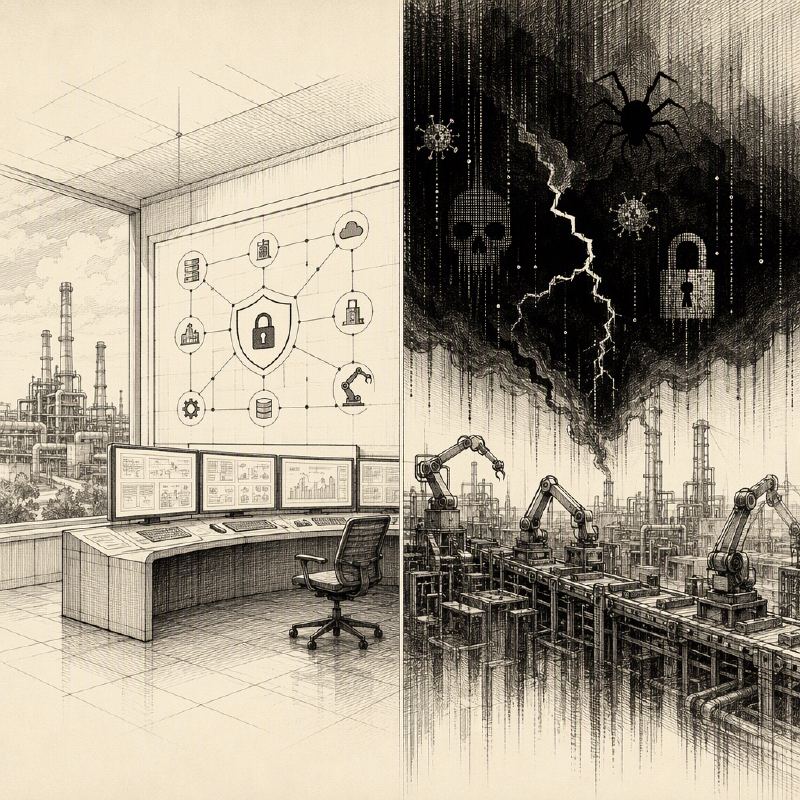
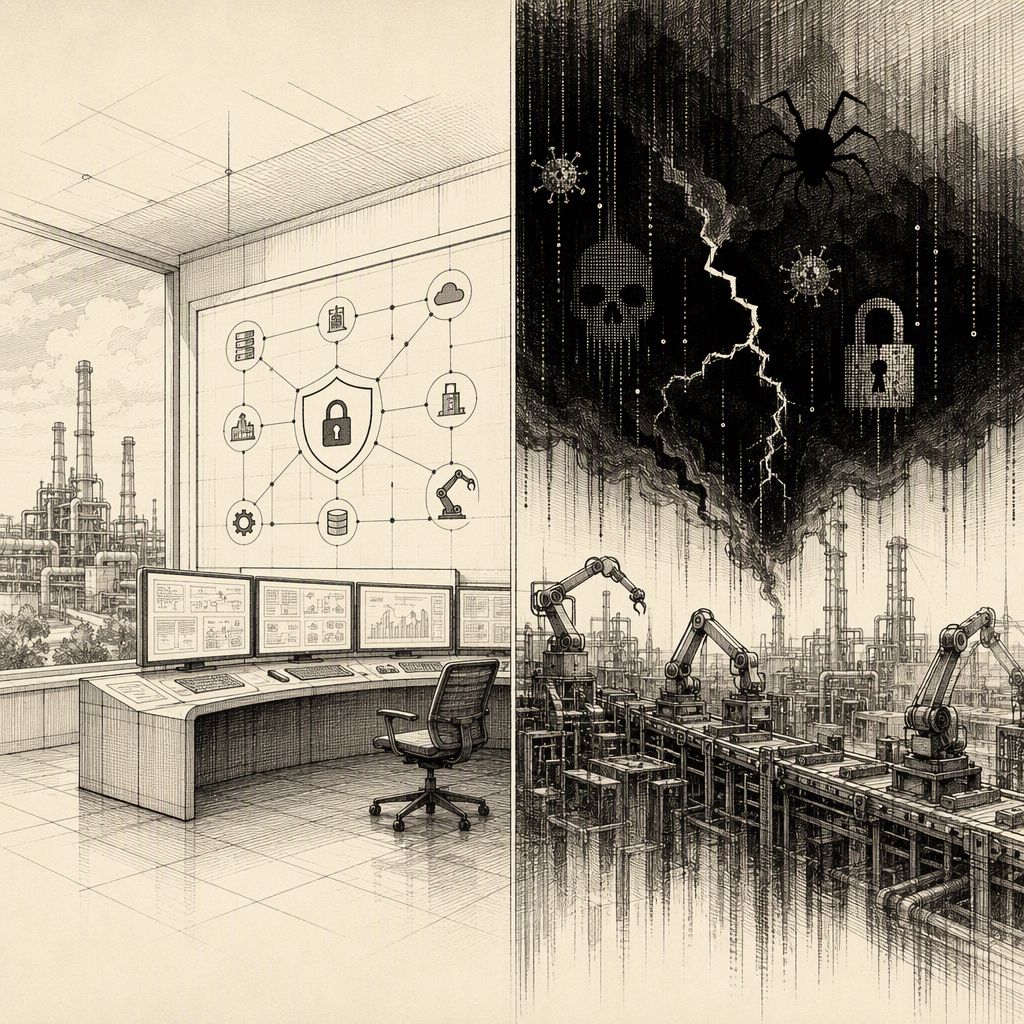
Industrial organizations are increasingly recognizing cybersecurity risk not just as a technical challenge, but as a significant external obstacle to their strategic growth. A recent "Operational Resilience in the Age of Connectivity" report, based on input from 1,500 decision-makers across 17 countries, found that more than one-third of these entities identify cybersecurity risk as a major impediment to expansion.
This finding highlights a critical disconnect: while organizations are actively investing in cybersecurity measures, these investments do not automatically translate into robust operational resilience. The report indicates that as IT and OT systems become more interconnected, and as AI initiatives scale, new dependencies are created that can amplify exposure to cyber threats. This complex environment means that even with proactive security efforts, the potential for disruption remains a significant concern for business leaders.
Despite the growing awareness of risk, a striking 90% of industrial organizations express high confidence in their ability to prevent, contain, or recover from cyber incidents. This confidence persists even though a substantial 46% reported experiencing a cyber incident within the past year. This high level of self-assurance, juxtaposed with the reported incident rates, suggests a potential overestimation of current defense capabilities or a misunderstanding of the true impact of such events on operational continuity.
Interestingly, cybersecurity is also perceived as a strong return on investment (ROI) by many organizations. With 62% having already invested in cybersecurity platforms, it ranks as the second-highest ROI-generating technology investment reported by respondents. This perception may be driving further investment, even as the fundamental challenge of translating investment into resilience remains.
Looking ahead, industrial organizations are increasingly turning to artificial intelligence (AI) and machine learning as part of their cybersecurity strategy. Approximately 45% plan to apply these technologies to their cybersecurity initiatives within the next 12 months. This adoption of AI is seen as a way to enhance detection, monitoring, and risk management capabilities in an increasingly complex threat landscape.
The convergence of IT and OT systems, while offering opportunities for efficiency and data utilization, is also identified as a key vulnerability. Integration points between IT and OT environments are cited as the second-most vulnerable to cyber incidents. However, 37% of respondents believe that securing these IT/OT architectures will drive positive business outcomes in the coming years, indicating a strategic focus on managing this convergence.
Rick Kaun, global director of cybersecurity services at Rockwell Automation, emphasized that true resilience is built when cybersecurity is integrated into the core business strategy, rather than being treated as a standalone technology investment. Organizations that proactively manage risk and prepare for disruptions are better positioned to protect their operations, maintain production, and secure a competitive advantage in the evolving industrial landscape.
The report, "Operational Resilience in the Age of Connectivity," surveyed 1,560 respondents across 17 manufacturing countries, representing a broad spectrum of industries and company sizes, to provide a comprehensive view of the current state of cybersecurity and operational resilience in the industrial sector.