
CyberPower PowerPanel Exploited to Execute Malicious Code on Domain Controllers
Attackers are abusing CyberPower's PowerPanel Business software to execute malicious scripts on Windows domain controllers, turning a legitimate UPS management tool into a command channel.
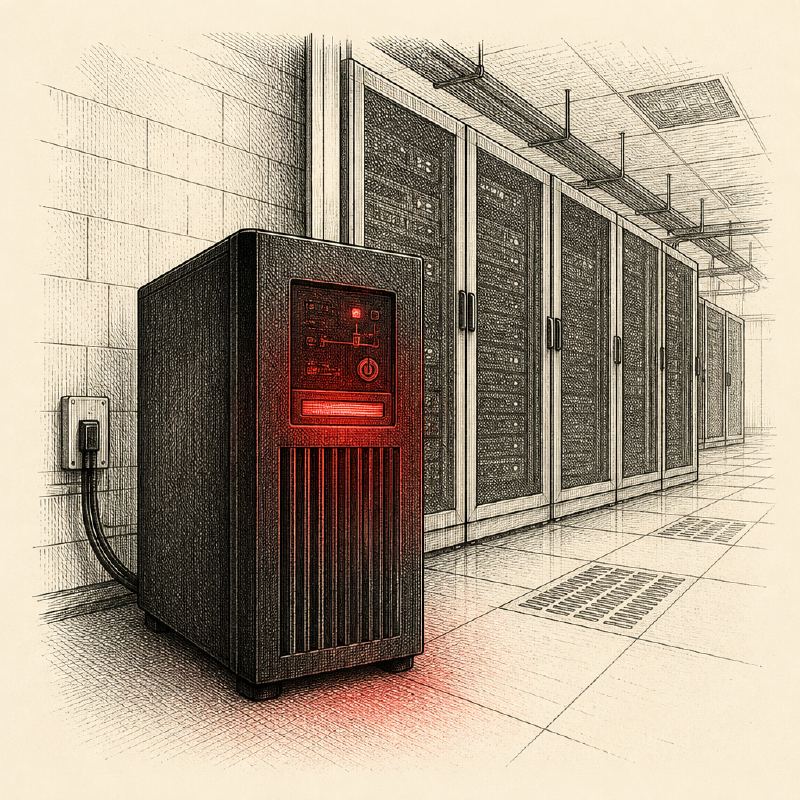
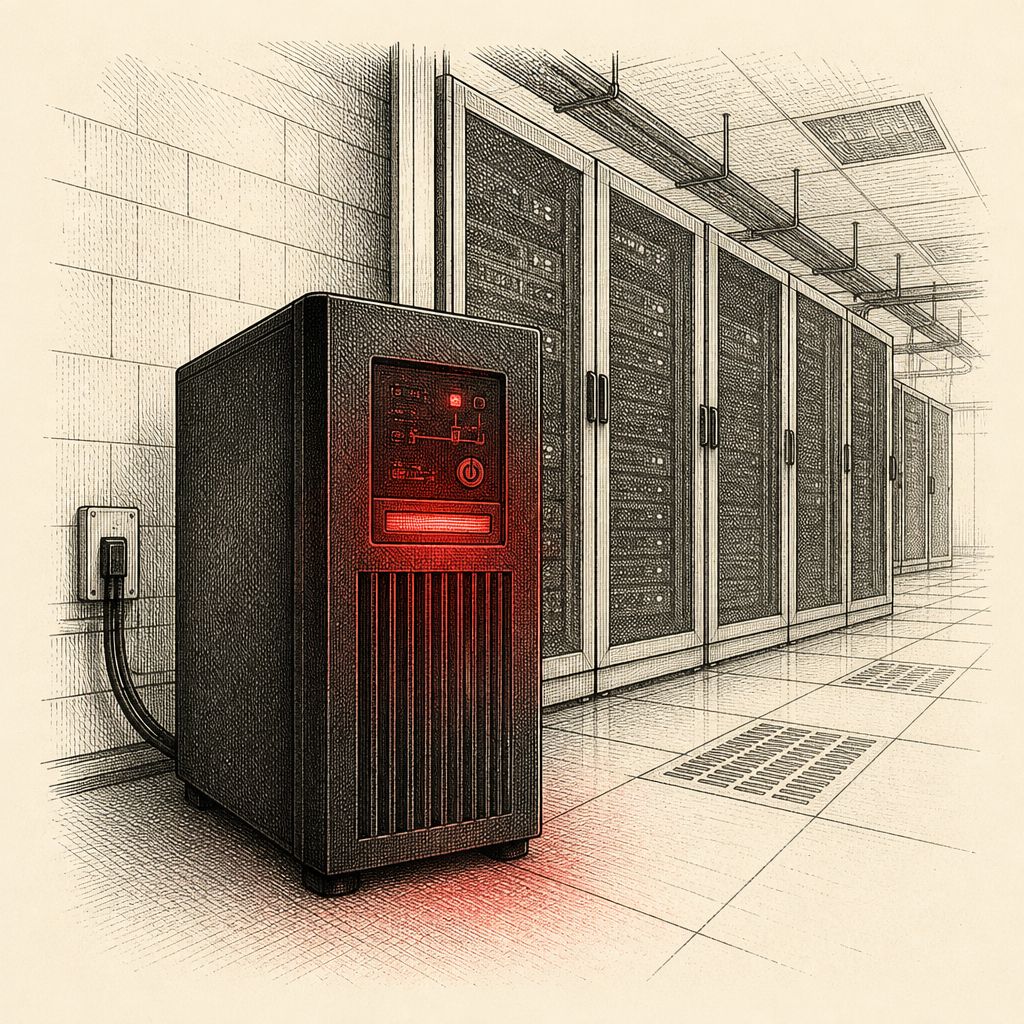
Cybersecurity researchers have uncovered a concerning method by which attackers are exploiting CyberPower's PowerPanel Business (PBB) software to execute malicious scripts directly on Windows domain controllers. This technique bypasses the need for traditional software vulnerabilities, instead leveraging the legitimate functionality of the UPS management tool to achieve unauthorized code execution.
Symantec detailed the intrusion, highlighting that PBB is often installed on critical infrastructure such as hypervisors and database servers due to its essential role in safely shutting down systems during power outages. This strategic placement makes it an attractive target for threat actors seeking to gain a foothold within a network.
The core of the exploit lies in PBB's feature that allows administrators to configure scripts to run automatically when a power issue is detected. Crucially, the PBB service executes these scripts with SYSTEM privileges, the highest level of access in Windows. Attackers can upload scripts through the web console, effectively turning this power management feature into a remote command channel without needing to find or exploit a software bug.
In observed attacks, threat actors used these scripts to stage an antivirus killer and to exfiltrate the Active Directory database, which contains sensitive user credentials for the entire network. Following this initial compromise, a persistent implant was deployed using DLL sideloading, a technique where a legitimate program is tricked into loading a malicious library.
Analysis of the attack indicated a human operator was actively involved, evidenced by the repeated rewriting of data collection scripts during the intrusion. The attackers primarily utilized tools already present within the Windows operating system, further reducing their digital footprint and making detection more challenging.
While Symantec did not disclose how the attackers initially gained access to the network or the PBB console, they suggested potential entry points include compromised administrator credentials, exploitation of previously disclosed weaknesses in PBB such as default administrator passwords, hard-coded credentials, or a file upload flaw.
To mitigate this threat, organizations are advised to treat power management software with the same level of scrutiny as remote administration tools. Recommendations include limiting console access to specific administrator machines, keeping the console offline, changing default passwords, and ensuring the software is kept up-to-date. Additionally, defenders should regularly audit script execution folders, treat unfamiliar scripts as malicious, and protect power management hosts as high-value targets.
As the victim and the specific threat actor behind this campaign remain unidentified, the attackers' ultimate motives are unclear. The absence of data theft or ransomware deployment in the observed activity leaves the purpose of the intrusion open to speculation, though the focus on domain controllers and Active Directory suggests a potential interest in credential harvesting or network reconnaissance.