
Cybercriminals Exploit Black Friday with AI-Powered Scams and Phishing
As online shoppers flock to Black Friday deals, cybercriminals are leveraging AI, brand impersonation, and sophisticated phishing tactics to steal financial data and personal information.
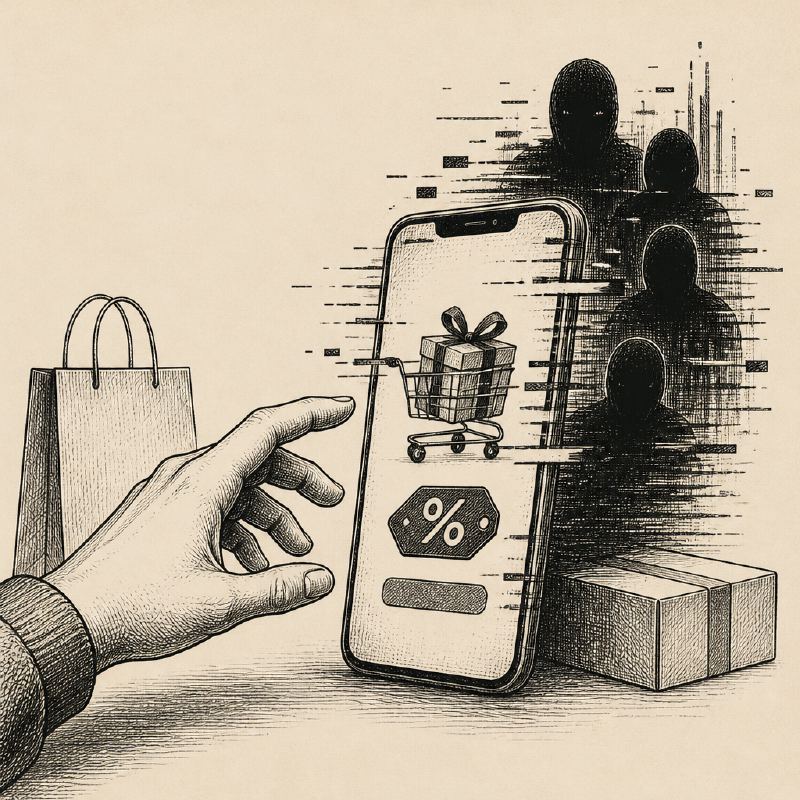
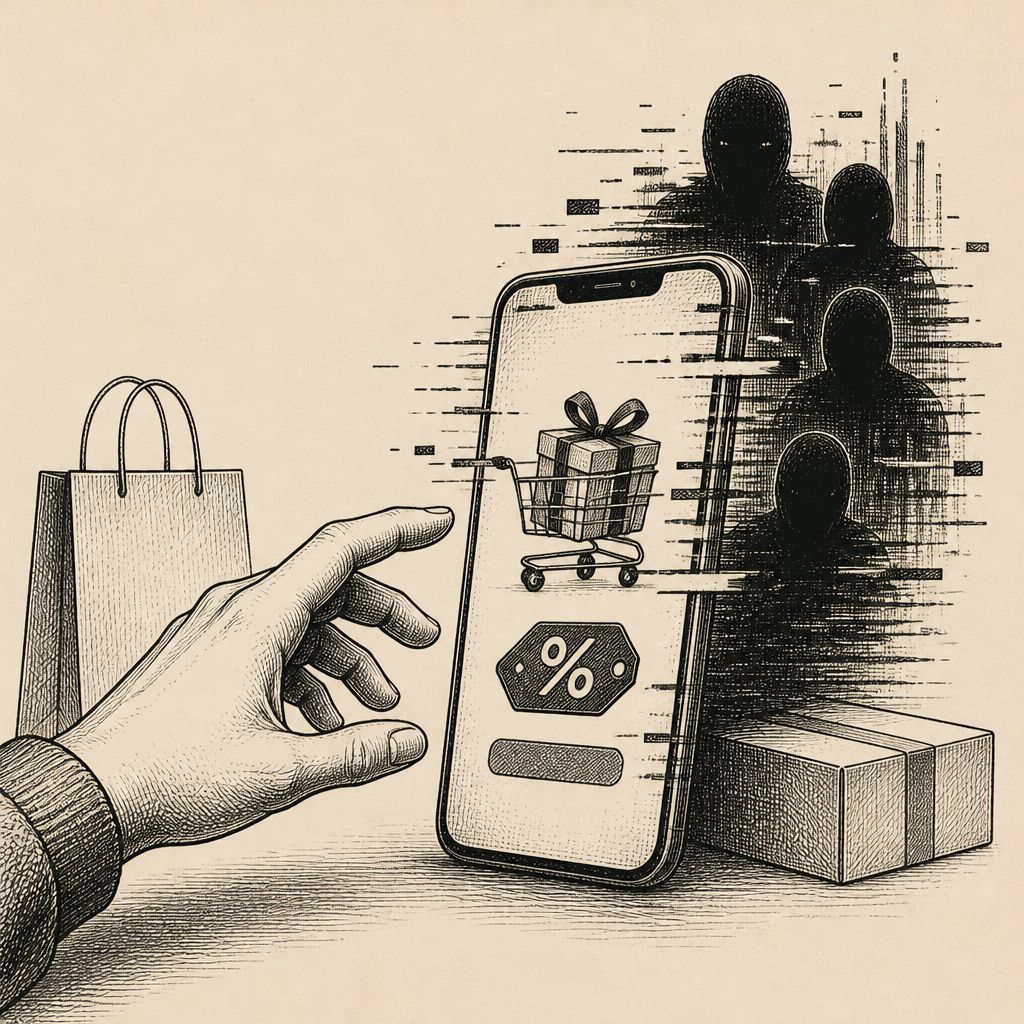
Black Friday 2026 is here, bringing with it a surge of online shopping and a corresponding escalation in cybercrime. Threat actors are employing a potent mix of artificial intelligence, brand impersonation, social engineering, and malicious advertising to target consumers during this peak shopping period. The goal has expanded beyond simple credit card theft to include the acquisition of banking credentials, digital identities, and even active shopping account sessions, with attacks meticulously crafted to mimic legitimate online experiences.
Kaspersky's latest research reveals a dramatic increase in online shopping threats, with over 19 million phishing attempts targeting shoppers, banking customers, and payment system users blocked between January and October 2026. This represents a staggering 198.1% year-over-year increase. Further analysis by Check Point Research identified more than 4,000 newly registered domains associated with November shopping events and retail brands, nearly one-fifth of which were classified as risky. Darktrace also reported a more than 1,200% surge in Black Friday-themed phishing emails in the weeks leading up to the event compared to October.
Fake shopping websites remain a primary weapon for cybercriminals. These fraudulent e-commerce platforms are often sophisticated replicas of popular retailers, utilizing typosquatting and increasingly, generative AI to create convincing storefronts. Attackers aim to harvest sensitive information such as card numbers, billing addresses, passwords, and security codes once users enter them. Warning signs include unrealistically large discounts, unfamiliar or recently registered domains, missing company information, and unusual payment requirements. While HTTPS indicates an encrypted connection, it does not guarantee the legitimacy of the business.
Phishing campaigns are also intensifying, exploiting the high volume of promotional emails and order confirmations consumers receive. Cybercriminals impersonate trusted retailers, banks, and payment providers with messages offering exclusive coupons, early access, or account refunds. Kaspersky noted a significant rise in Amazon-themed phishing attempts, with over 3.1 million blocked in the first ten months of 2026, a 411.6% annual increase. Some attacks may claim an order has been canceled or an account requires immediate verification, while advanced adversary-in-the-middle techniques can intercept authentication information in real-time.
Social media platforms are also being exploited through AI-generated advertisements and malvertising. Cybercriminals purchase ads promoting non-existent products or fake sales, with malicious destinations hidden behind seemingly legitimate promotions. Generative AI aids in creating realistic product images, fabricated testimonials, and convincing promotional videos. The Federal Trade Commission (FTC) reported that consumers lost over $95 million in 2025 to scams originating from social media ads. Consumers are advised to independently verify any advertisements or AI-generated shopping recommendations before making a purchase.
Beyond fake websites and phishing, consumers must be wary of malicious mobile applications and fake deals promoted through SMS and messaging apps. Attackers may also exploit vulnerabilities in connected devices or smart home ecosystems, posing as customer support or offering fake firmware updates. The sophistication of these attacks, amplified by AI, means that even discerning shoppers can fall victim if they are not vigilant.
To combat these threats, cybersecurity experts recommend several precautions. Shoppers should always verify website legitimacy by checking domain names, looking for secure connections (HTTPS), and researching the retailer. Using strong, unique passwords for each online account and enabling multi-factor authentication adds a crucial layer of security. Consumers should also be skeptical of unsolicited communications, especially those creating a sense of urgency or demanding immediate action. Finally, keeping operating systems and security software updated is essential to protect against known vulnerabilities.