
Cyberattack Disrupts French Blood Bank Operations, But No Blood Products Compromised
A cyberattack targeting refrigeration systems at three French blood bank sites was thwarted before it could damage vital blood products or samples.
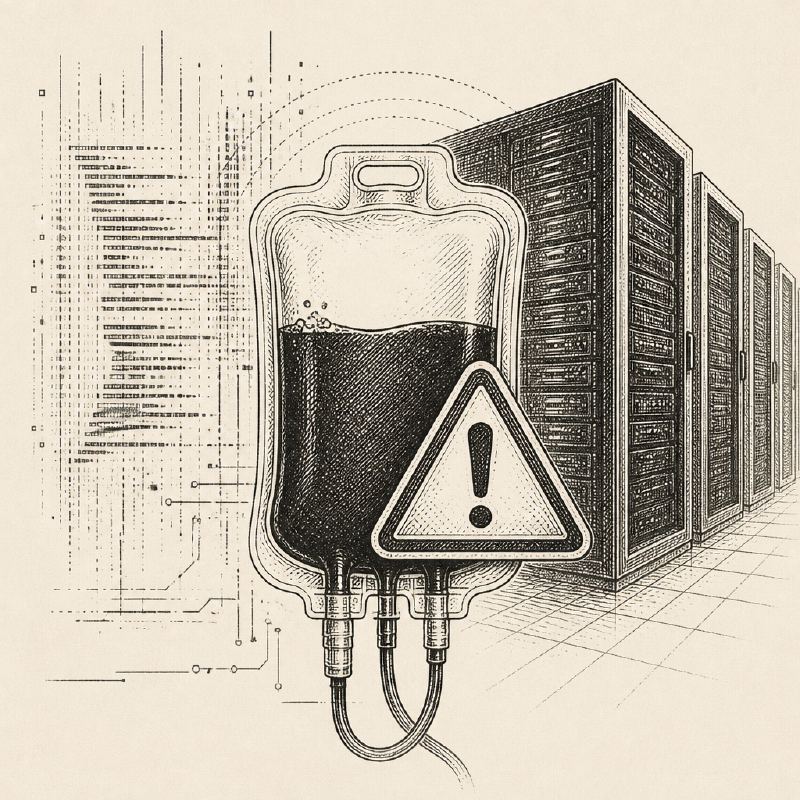
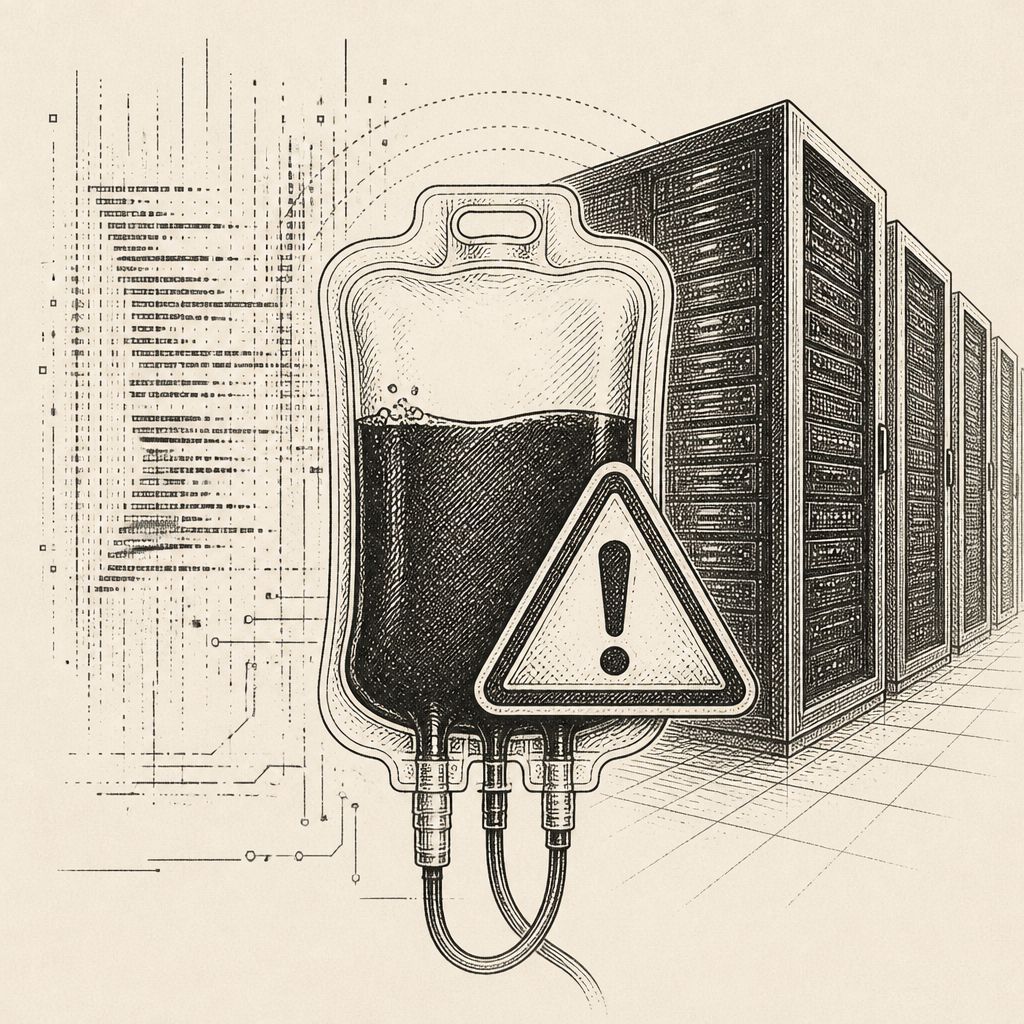
French authorities have confirmed that a cyberattack aimed at raising temperatures to extremely high levels within several blood banks was successfully neutralized before any blood products or samples were compromised. The incident, which occurred on Monday, involved attempts to manipulate temperature controls at three cold-storage sites operated by the French Blood Establishment (EFS).
According to an EFS statement released Tuesday, "temperature and defrosting thresholds were raised to extremely high levels." Fortunately, the organization's monitoring systems detected the anomalies promptly, enabling staff to intervene and secure the affected plasma, which is used for transfusions and the manufacturing of medicines. "No health consequences have been identified, and no blood products were lost," the EFS assured.
The attack targeted a supplier of refrigeration equipment, Coolworld, which acknowledged the cybersecurity incident. Coolworld stated that the vulnerability stemmed from a "component from a third-party supplier and was outside Coolworld’s direct control." The company indicated that only a limited number of units were affected and that appropriate measures are being implemented.
This incident bears a striking resemblance to recent cyberattacks that have impacted refrigeration systems in supermarkets across Europe. Earlier in the week, numerous supermarket chains in several European countries reported that their fridges and freezers were remotely compromised, leading to significant food spoilage and millions of dollars in losses. One Dutch supermarket chain, Ahold Delhaize, estimated that a previous attack could reduce its fourth-quarter sales by up to 250 million euros.
While the EFS confirmed that blood collection and distribution operations remain uninterrupted, ensuring continued services for patients, the investigation into the cyberattack is ongoing. France’s national cybersecurity agency and the Health Ministry are actively involved in the probe to understand the full scope and origin of the incident.
The sophistication and targeting of critical infrastructure like blood banks and food supply chains highlight a growing trend of cyber threats aimed at essential services. The potential for widespread disruption and harm underscores the increasing need for robust cybersecurity measures across all sectors, particularly those dealing with public health and safety.
This event serves as a stark reminder of the interconnectedness of digital security and physical operations. The reliance on third-party suppliers for critical equipment, as seen with Coolworld, introduces additional layers of vulnerability that require careful management and oversight. The swift response by the EFS's monitoring systems was crucial in averting a potential crisis, emphasizing the importance of vigilant security protocols.
As investigations continue, the focus will likely be on identifying the specific threat actor and the methods used to exploit the refrigeration equipment's vulnerabilities. The incident also raises questions about the cybersecurity posture of suppliers to critical infrastructure and the need for comprehensive risk assessments throughout the supply chain.