
Cyber Insurers Demand Proof of Recovery, Not Just Backups
Cyber insurers are shifting from simply verifying backups to demanding concrete proof of an organization's ability to recover data quickly and securely.
Cyber insurance premiums are experiencing a notable cooling, with global rates falling for the thirteenth consecutive quarter. This stabilization, particularly in the US market after significant ransomware-driven spikes in 2020 and 2021, is partly attributed to insurers implementing more stringent qualification requirements. Some major carriers have even ceased underwriting specific sectors, such as law firms, due to high claims volumes, with healthcare and managed service providers (MSPs) anticipated to face similar scrutiny.
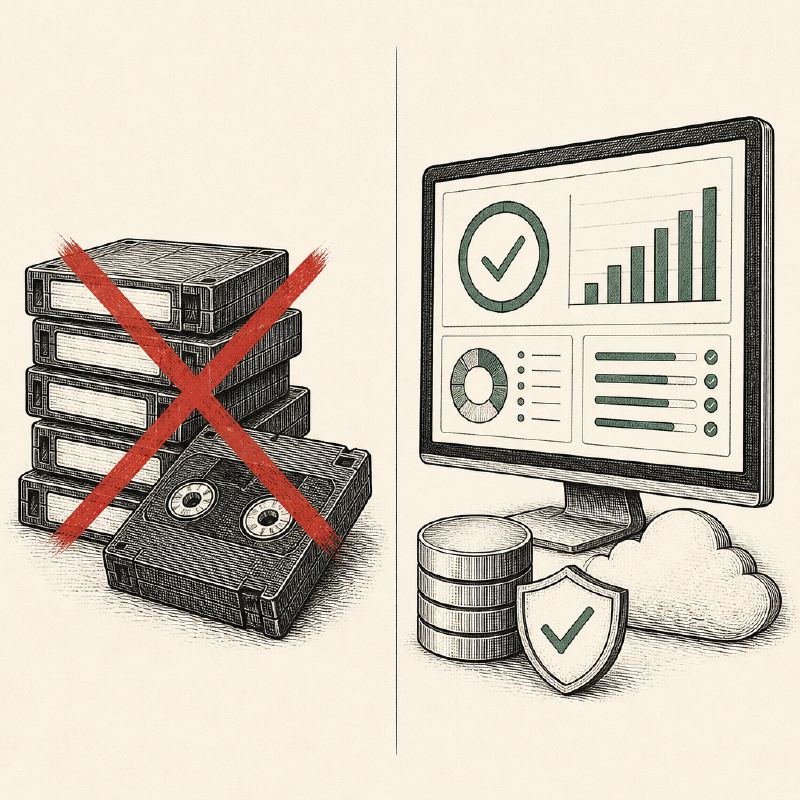
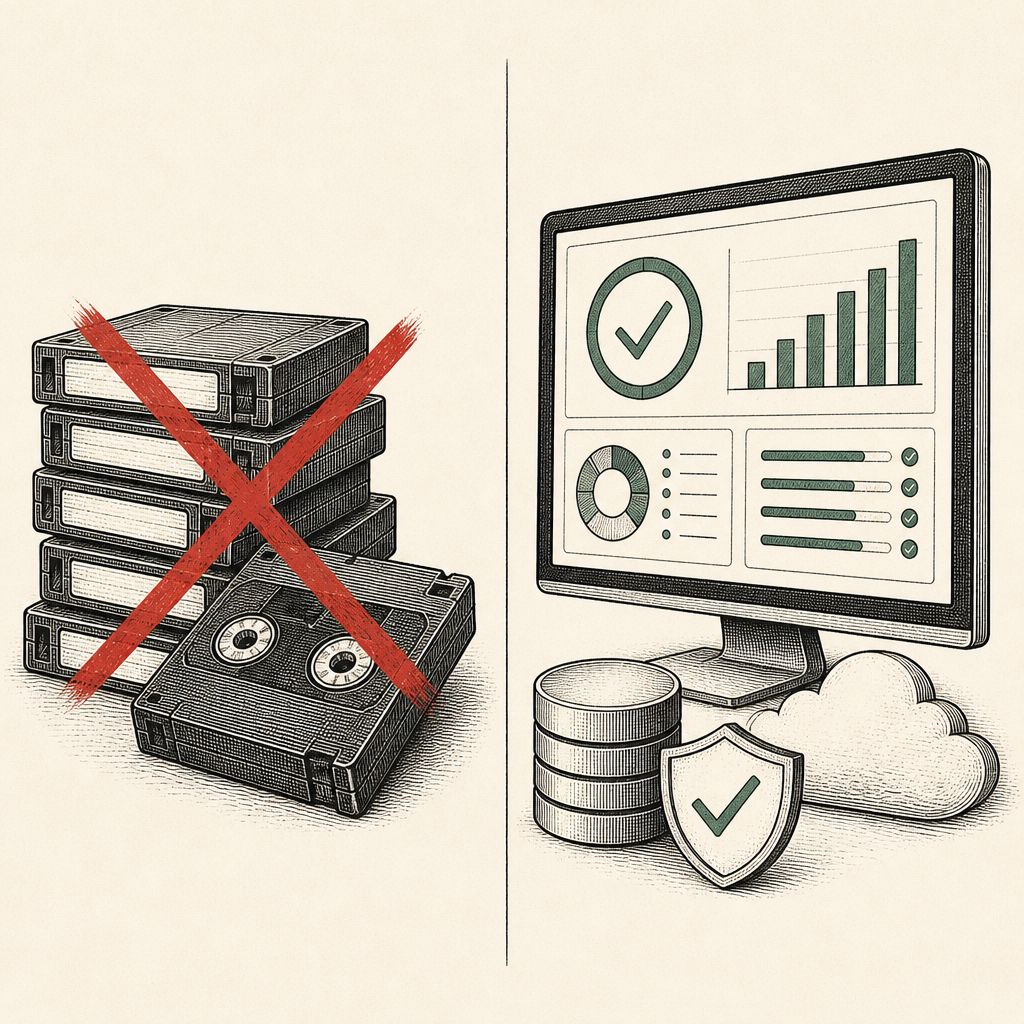
The most significant new demand from insurers is verifiable proof of actual data recovery capabilities, moving beyond the mere existence of backups. Historically, a green status on backup jobs was considered sufficient. However, recent claims have demonstrated that this assumption is no longer valid. Attackers are increasingly targeting backup infrastructure to maximize the impact of their ransomware, and untested restore processes can inadvertently reintroduce threats into a production environment.
Insurers now require evidence that organizations can successfully restore data within a reasonable timeframe and, crucially, in an isolated environment. This often involves requiring C-level executive sign-off on insurance applications, signifying a higher level of organizational ownership and accountability for data protection and recovery readiness. The rationale is clear: a failed or compromised restore can lead to prolonged downtime and significantly increased ransom demands.
Beyond the ability to recover, the speed of recovery is a critical factor for insurers. While they are prepared to pay claims, the focus is on mitigating the financial impact of large-scale disruptions. Downtime and business interruption costs can rapidly escalate, far exceeding the direct costs of a cyberattack. Insurers are therefore scrutinizing recovery time objectives (RTOs) and recovery point objectives (RPOs), as lengthy recovery processes can lead to substantial financial losses for the insured business.
The location of recovery is another key consideration. Incident response teams need to isolate and investigate infected systems during the critical initial hours post-breach. Restoring operations too quickly into a compromised production environment risks reintroducing the threat and destroying valuable forensic evidence. Insurers want to ensure that recovery processes are not only fast but also secure, preventing re-infection and allowing for thorough investigation.
Meeting these evolving requirements presents a significant challenge for many organizations. It necessitates not only robust backup solutions but also regular, documented testing of restore procedures. This includes verifying the integrity of all critical systems, even those not actively in production, and ensuring that business owners, not just IT staff, can confirm successful recovery within agreed-upon timelines. Maintaining logs, screenshots, and sign-offs from these tests is essential documentation.
Cloud-native disaster recovery solutions, such as N-able's Cove Data Protection, are emerging as a way to address these challenges. These services can facilitate rapid, isolated recovery to a pre-staged environment, answering both the speed and location questions simultaneously. This allows forensic investigators to work in a sandbox while business operations continue, with the ability to roll back to earlier points if necessary.
Ultimately, cyber insurance should be viewed as a financial backstop, not a substitute for a strong data protection strategy. Organizations must prioritize establishing clear recovery targets, rigorously testing their ability to meet them, and documenting the results. Reviewing cyber insurance policies to ensure adequate coverage and understanding the incident response process, including the importance of preserving forensic data, are also critical steps in building resilience against evolving cyber threats.