
CTEM Emerges as Solution to Overwhelming Vulnerability Data
Continuous Threat Exposure Management (CTEM) is gaining traction as a strategic approach to tackle the escalating volume of CVEs and the limitations of traditional vulnerability management.
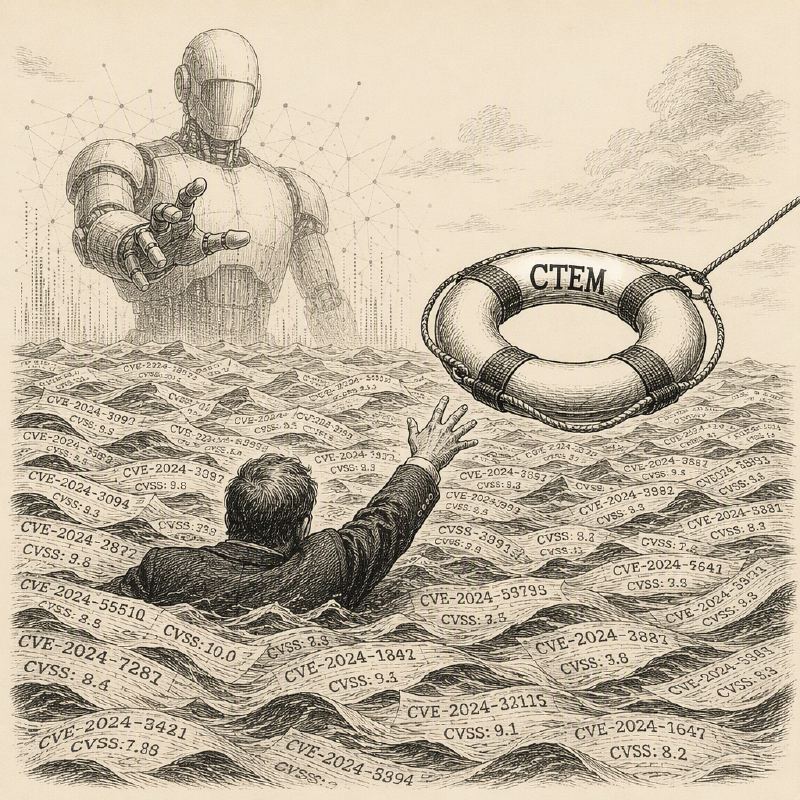
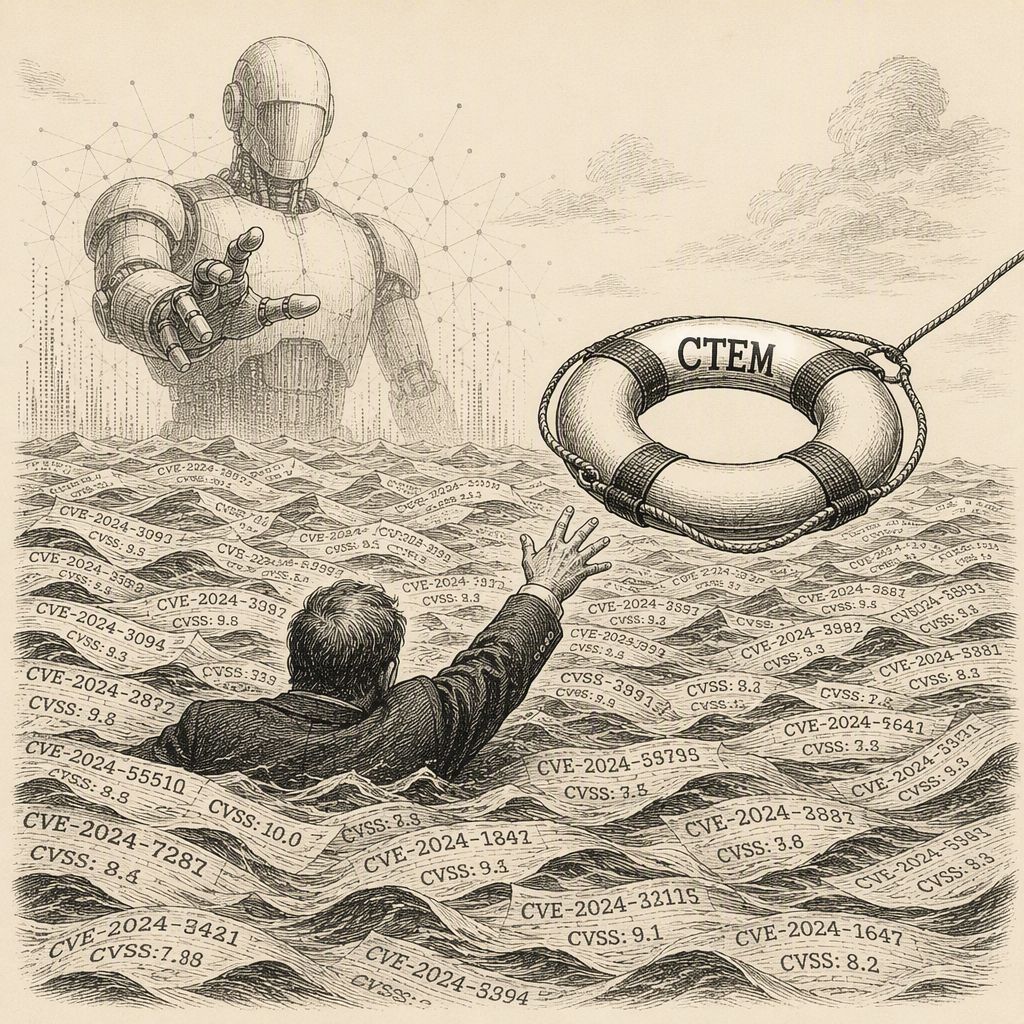
In an era where executive inquiries have shifted from 'why care about cybersecurity?' to 'are we actually secure?', traditional vulnerability management and patching are proving insufficient. The sheer volume of Common Vulnerabilities and Exposures (CVEs) and the often subjective nature of their severity scores (CVSS) are overwhelming security teams. This deluge of data, coupled with the accelerating capabilities of AI in discovering and exploiting vulnerabilities, necessitates a more robust and risk-focused approach.
The industry's long-standing reliance on CVEs and CVSS scores for vulnerability prioritization is faltering. The National Vulnerability Database (NVD) is years behind, and recent reports have criticized the subjectivity and limited utility of CVSS scores, with some even suggesting NIST cease assigning them altogether. A critical severity score for a product used in a sandboxed environment, for instance, may not warrant the same urgency as a lower-scored vulnerability that can be chained with others to cause significant business impact. This highlights a disconnect between technical severity and actual business risk.
The advent of advanced AI models, such as Claude's Mythos, is poised to exacerbate these challenges. These tools can surface zero-days at scale and rapidly develop weaponized exploits, creating an asymmetric vulnerability cycle where attackers can exploit flaws before patches are even available. The Cloud Security Alliance has noted this trend, emphasizing the growing gap between the speed of vulnerability discovery and the pace of organizational patching.
Recognizing these systemic issues, Gartner identified Continuous Threat Exposure Management (CTEM) as a top cybersecurity trend in 2023. CTEM offers a framework to proactively manage an organization's attack surface by focusing on business risk and validating exploitability. Gartner outlines five key steps: Scoping (identifying high-impact assets), Discovery (analyzing exposures), Prioritization (ranking based on business risk), Validation (testing exploitability), and Mobilization (remediating with incident response).
Implementing CTEM requires a shift from a reactive, patch-centric model to a proactive, risk-informed strategy. This approach demands automation to effectively manage the complexity and scale of modern IT environments. Tools that can automate penetration testing and provide evidence of exploitability are crucial for sifting through the noise and identifying the vulnerabilities that pose the greatest threat to the business.
Horizon3's NodeZero platform exemplifies this CTEM-aligned approach. By focusing on the challenging aspects of prioritization by business impact and mobilization, NodeZero conducts automated penetration tests that mimic real-world attack behaviors. It probes, exploits, and pivots through an organization's infrastructure, providing a validated list of exploitable paths. This deterministic, expert system approach contrasts with general LLMs, aiming for accuracy and actionable intelligence rather than broad, potentially hallucinatory, analysis.
The value proposition of CTEM, as facilitated by tools like NodeZero, lies in its ability to provide clear, evidence-based insights into an organization's true security posture. By validating that specific vulnerabilities are indeed exploitable and demonstrating the potential attack chains, security teams can move beyond the overwhelming volume of CVEs to focus on the threats that truly matter, enabling them to 'prove it' when executives demand assurance of security.