
CSS Exploited as Data Exfiltration Vector in Webmail Attacks
Researchers warn that Cascading Style Sheets (CSS) are being weaponized to steal sensitive data from webmail clients, with some vendors unprepared for the emerging threat.
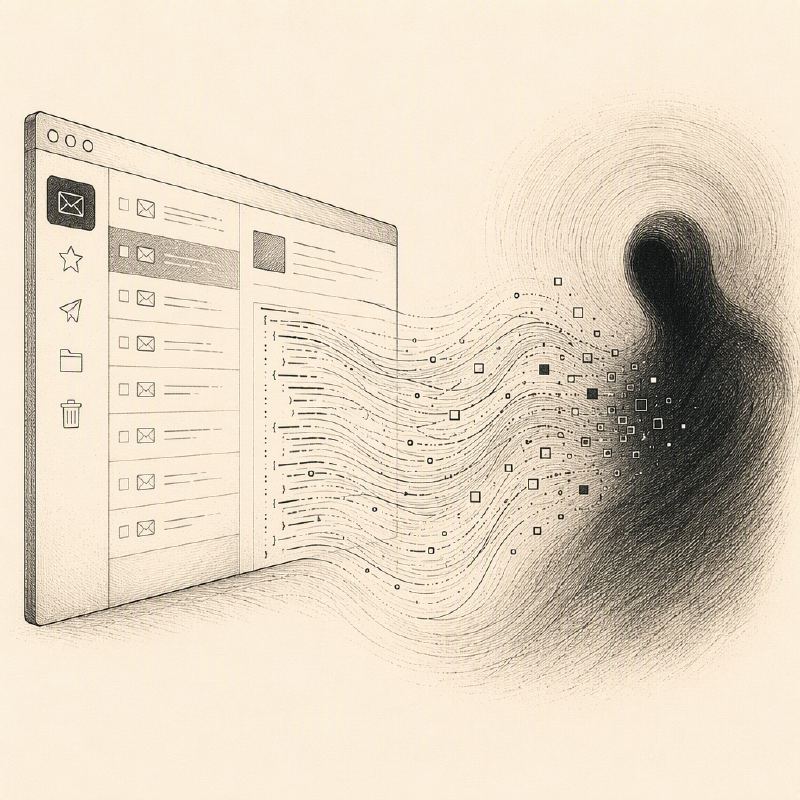
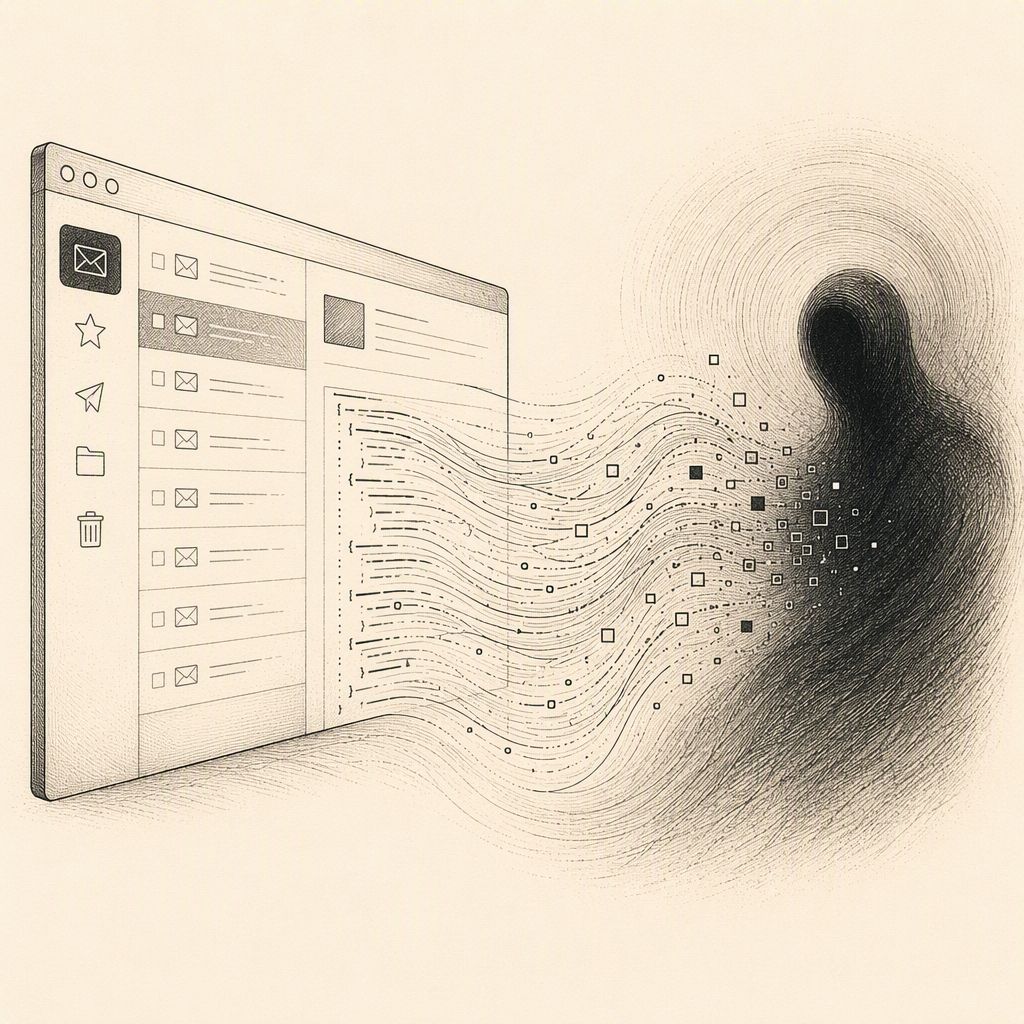
Cascading Style Sheets (CSS), traditionally used for website design and layout, have emerged as a surprising and potent tool for cybercriminals seeking to exfiltrate sensitive data from webmail clients. Researchers have identified a novel attack vector that leverages malicious CSS to silently siphon information directly from users' inboxes.
This technique exploits how webmail clients render HTML content within emails. By embedding specially crafted CSS rules, attackers can instruct the user's browser to send data displayed in an email back to a server controlled by the attacker. This could include anything from personal details and financial information to confidential business communications, depending on the content of the compromised email.
The sophistication of this attack lies in its subtlety. Unlike traditional phishing or malware attacks that might involve direct user interaction or obvious malicious links, CSS-based exfiltration can occur in the background with minimal user awareness. The malicious styling is rendered as part of the email's content, making it difficult for the average user to detect.
Compounding the risk, a recent analysis suggests that some major webmail providers may not have adequate defenses in place to detect or prevent this type of attack. This leaves a significant portion of users vulnerable to data theft, even when they are being cautious about clicking suspicious links or downloading attachments.
While the specifics of the implementation vary, the core principle involves using CSS features like url() or background-image properties to send data. For instance, an attacker might craft CSS that dynamically includes parts of the email's text within the URL of a background image request, effectively transmitting the data to their server.
The implications of this vulnerability are far-reaching. Sensitive personal information, login credentials inadvertently displayed in emails, or proprietary business data could all be at risk. The ease with which CSS can be injected into email content, especially in environments that allow rich text formatting, makes this a particularly concerning threat.
Security researchers are urging webmail vendors to review their content rendering and sanitization processes to identify and block malicious CSS patterns. Users are advised to be extra vigilant about the content of their emails, even those that appear to be from legitimate senders, and to ensure their email clients are up-to-date. The evolution of CSS from a design tool to a data exfiltration vector highlights the ever-changing landscape of cyber threats and the need for continuous adaptation in security measures.
This new research expands on the CSS exfiltration vector by detailing specific attack chains against major webmail providers like Outlook, Gmail, Fastmail, Proton Mail, Yahoo Mail, and AOL Mail. It demonstrates how attackers can capture passwords, steal session tokens, and even hijack AI-driven email processing tools, offering concrete proof-of-concept examples beyond the initial warning.